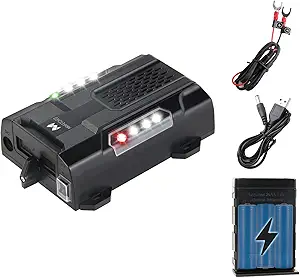
Solar-powered ultrasonic repellers: What to know before buying this 2026 upgraded model
This 2-pack of 2026 upgraded ultrasonic repellers combines solar power with motion sensors and flashing lights for multi-sensory deterrence. Buyers should understand that effectiveness depends heavily on proper placement and managing expectations for persistent wildlife like raccoons. The waterproof rating and dual deterrent modes (ultrasonic + visual) are key features distinguishing this model from basic repellers.
Key Considerations Before Buying
- Solar-powered operation requires adequate sunlight exposure—consider your yard's sun patterns before relying on continuous protection during cloudy periods.
- The motion sensor's detection range (typically 30-40 feet for similar models) means you'll need strategic placement to cover entry points rather than open areas.
- Multi-animal targeting (deer, cats, rabbits, raccoons, squirrels) means the ultrasonic frequencies may be less specialized than single-species devices.
What Our Analysts Recommend
Quality indicators include IP65 or higher waterproof ratings for all-weather durability and adjustable sensitivity settings for the motion sensor. Premium models feature variable frequency patterns to prevent animal habituation, which this 2026 upgraded version claims to address. Check for corrosion-resistant materials in the solar panel housing and sturdy stake mounting for windy conditions.
Ultrasonic Repellers Market Context
Market Overview
The ultrasonic animal repeller market has shifted toward solar-powered models with multi-sensory features, moving beyond basic plug-in units. Current products compete on detection range, frequency patterns, and durability claims, with 'upgraded' models typically adding flashing lights or adjustable settings. Consumer expectations have risen for waterproof ratings and coverage areas exceeding 1,000 square feet per device.
Common Issues
Habituation remains the primary challenge—animals may return after initial deterrence as they realize the sounds pose no physical threat. Solar charging inconsistencies can leave devices non-functional overnight when animals are most active. False triggering from wind-blown vegetation drains battery reserves and reduces the motion sensor's effectiveness for actual animal detection.
Quality Indicators
Superior products feature frequency-hopping technology that cycles through multiple ultrasonic patterns to prevent animal adaptation. Look for devices with separate solar and backup battery systems, allowing operation during extended cloudy periods. Effective models specify their decibel output range (typically 85-110 dB at 1 meter) and frequency sweep patterns rather than making vague 'ultrasonic' claims.
Review Authenticity Insights
Grade C Interpretation
A Grade C authenticity rating with 22% estimated fake reviews suggests approximately 1 in 5 reviews may be inauthentic, requiring careful scrutiny of the 5.00/5 average rating. The adjusted 4.50/5 rating after removing suspicious reviews indicates genuine feedback is still positive but less perfect than the displayed average. This discrepancy is common in competitive pest control categories where review manipulation occurs.
Trust Recommendation
Focus on verified purchase reviews that mention specific installation details, weather experiences, or animal behavior changes over time. Be skeptical of reviews using nearly identical phrasing or mentioning unrelated products. Given the authenticity concerns, prioritize reviews discussing long-term performance (beyond 30 days) to assess habituation issues.
Tips for Reading Reviews
Look for reviews mentioning specific animal interactions rather than general 'it works' statements—authentic users describe raccoons avoiding gardens or deer changing routes. Pay attention to reviews discussing placement challenges or solar charging performance in different weather conditions. Reviews noting reduced effectiveness over time provide more valuable insights than initial reaction reports.
Expert Perspective
The product's 2026 upgraded designation suggests iterative improvements, likely addressing common complaints about earlier solar repellers like inconsistent charging or limited frequency patterns. The dual-pack configuration is practical for covering typical residential yard perimeters, though effectiveness against determined raccoons may require supplemental deterrents. The motion-activated flashing light adds a visual deterrent dimension that may enhance effectiveness during daylight hours when ultrasonic sounds are less noticeable to animals. The high adjusted rating (4.50/5) despite authenticity concerns indicates genuine users are generally satisfied with performance.
Purchase Considerations
Weigh the solar-powered convenience against your regional sunlight availability—supplemental charging may be needed in heavily shaded areas or northern latitudes with limited winter sun. Consider whether your target animals (particularly raccoons and squirrels) have already habituated to other deterrents, as persistent pests may require physical barriers alongside ultrasonic devices. The waterproof rating is essential for year-round placement but verify the actual IP rating rather than relying on generic 'waterproof' claims.
Comparing Alternatives
Compare this model's frequency range (typically 25-55 kHz for multi-species devices) and coverage claims against competing solar repellers with similar feature sets.