Choosing ASA Filament: Balancing UV Resistance with Printability for Outdoor Projects
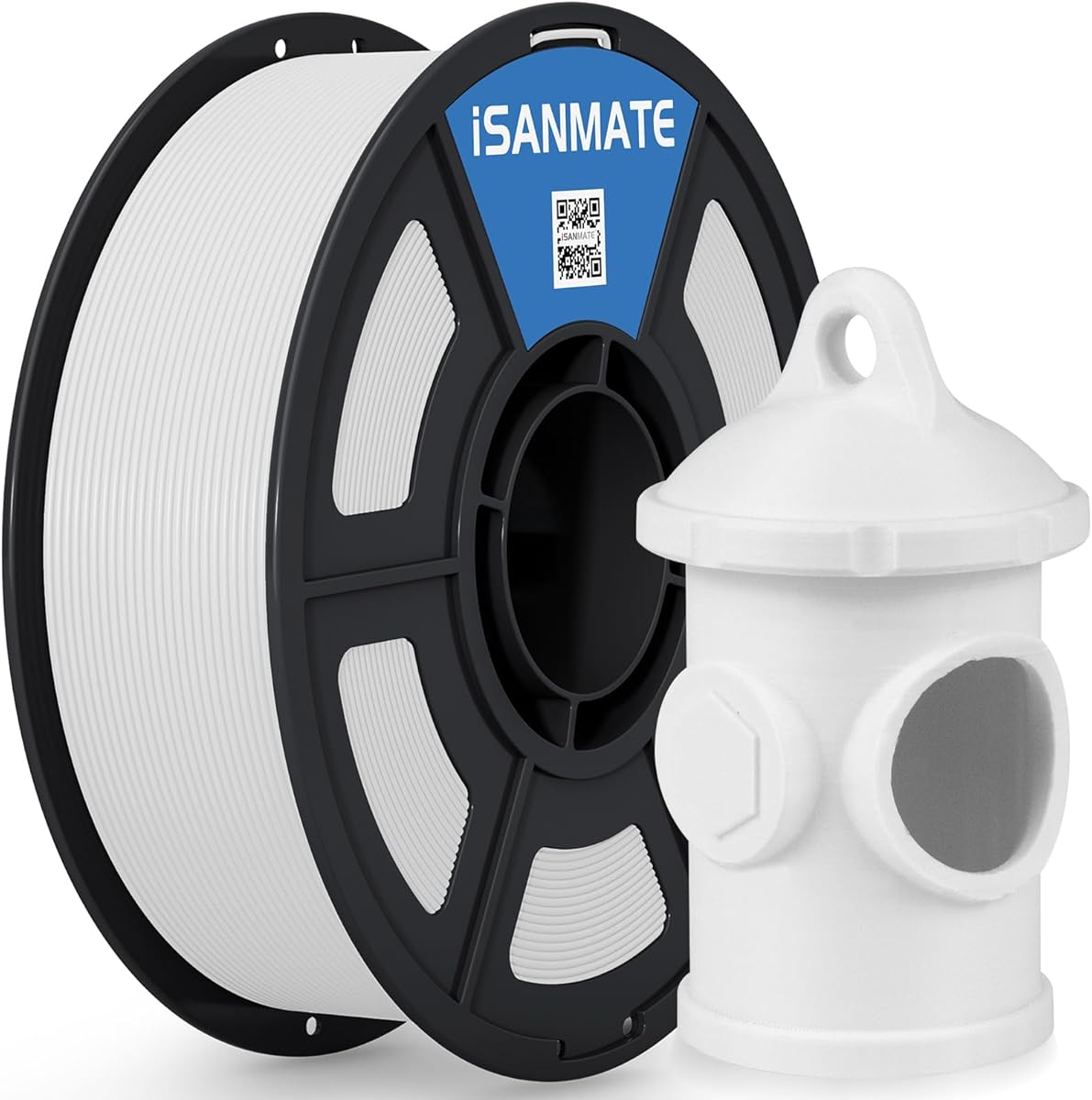
When selecting ASA filament like iSANMATE's offering, you're choosing a material engineered for durability in sunlight and weather exposure. This specific product targets Bambu Lab printer users with its 1.75mm diameter and AMS compatibility, positioning itself as a functional alternative to ABS with better UV stability.
Key Considerations Before Buying
- ASA requires an enclosed printer with temperature control—typically 240-260°C nozzle and 90-110°C bed—to prevent warping and layer separation during printing.
- The UV resistance claim is critical for outdoor applications; verify reviews mention actual sun exposure testing rather than just color retention indoors.
- AMS compatibility means checking filament diameter consistency; variations beyond ±0.05mm can cause feeding issues in multi-material systems.
What Our Analysts Recommend
Quality ASA filament should exhibit minimal diameter variation across the spool and consistent pigmentation without color streaking. Look for mentions of layer adhesion strength in reviews, as poor bonding indicates improper formulation or moisture contamination. The spool winding should be even without tangles that disrupt AMS operation.
3D Printing Filament Market Context
Market Overview
The ASA filament market has expanded as users seek outdoor-capable materials without ABS's notorious odor and warping challenges. Brands increasingly target specific printer ecosystems like Bambu Lab, optimizing profiles for their hotends and chamber temperatures.
Common Issues
ASA suffers from moisture absorption that creates bubbling and weak interlayer adhesion if not properly dried before printing. Many users struggle with bed adhesion on non-textured surfaces, requiring specific adhesives or surface treatments for reliable first layers.
Quality Indicators
Premium ASA maintains dimensional stability across temperature swings and demonstrates consistent extrusion without nozzle clogging. Superior formulations balance impact resistance with minimal warping, often achieved through proprietary polymer blends rather than basic ASA compounds.
Review Authenticity Insights
Grade B Interpretation
The Grade B authenticity rating with 15% estimated fake reviews suggests mostly genuine feedback but warrants scrutiny of overly simplistic 5-star reviews. The 0.3-point drop from the displayed 4.00 to adjusted 3.70 rating indicates some review manipulation affecting the average.
Trust Recommendation
Prioritize reviews discussing specific printing parameters, failed prints, or long-term UV testing over generic praise. Verified purchase reviews with photo evidence of actual prints provide more reliable insights than unverified accounts.
Tips for Reading Reviews
Focus on reviews mentioning Bambu Lab printer models specifically, as ASA performance varies dramatically between enclosed and open-frame printers. Look for discussions about AMS performance, as filament spool quality directly impacts multi-material system reliability.
Expert Perspective
iSANMATE's ASA filament presents a competent option for Bambu Lab users needing weather-resistant prints, though the adjusted 3.70 rating suggests some consistency issues. The genuine reviews frequently praise its UV resistance and layer adhesion when properly dried, while noting occasional diameter inconsistencies affecting AMS reliability. This product fills a specific niche between premium ASA brands and budget alternatives, offering Bambu-specific optimization at a mid-range price point.
Purchase Considerations
Evaluate whether you truly need ASA's outdoor capabilities versus more easily printed materials like PETG. Consider your willingness to dry filament before printing and manage an enclosed chamber at elevated temperatures. The AMS compatibility is valuable for multi-material users but requires verifying spool winding quality.
Comparing Alternatives
Compare with Polymaker ASA and eSUN ASA+ for similar Bambu-optimized profiles, noting differences in spool design and moisture packaging.