Portable Tire Inflator Buying Guide: Speed, Accuracy & Durability
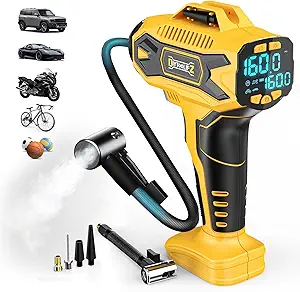
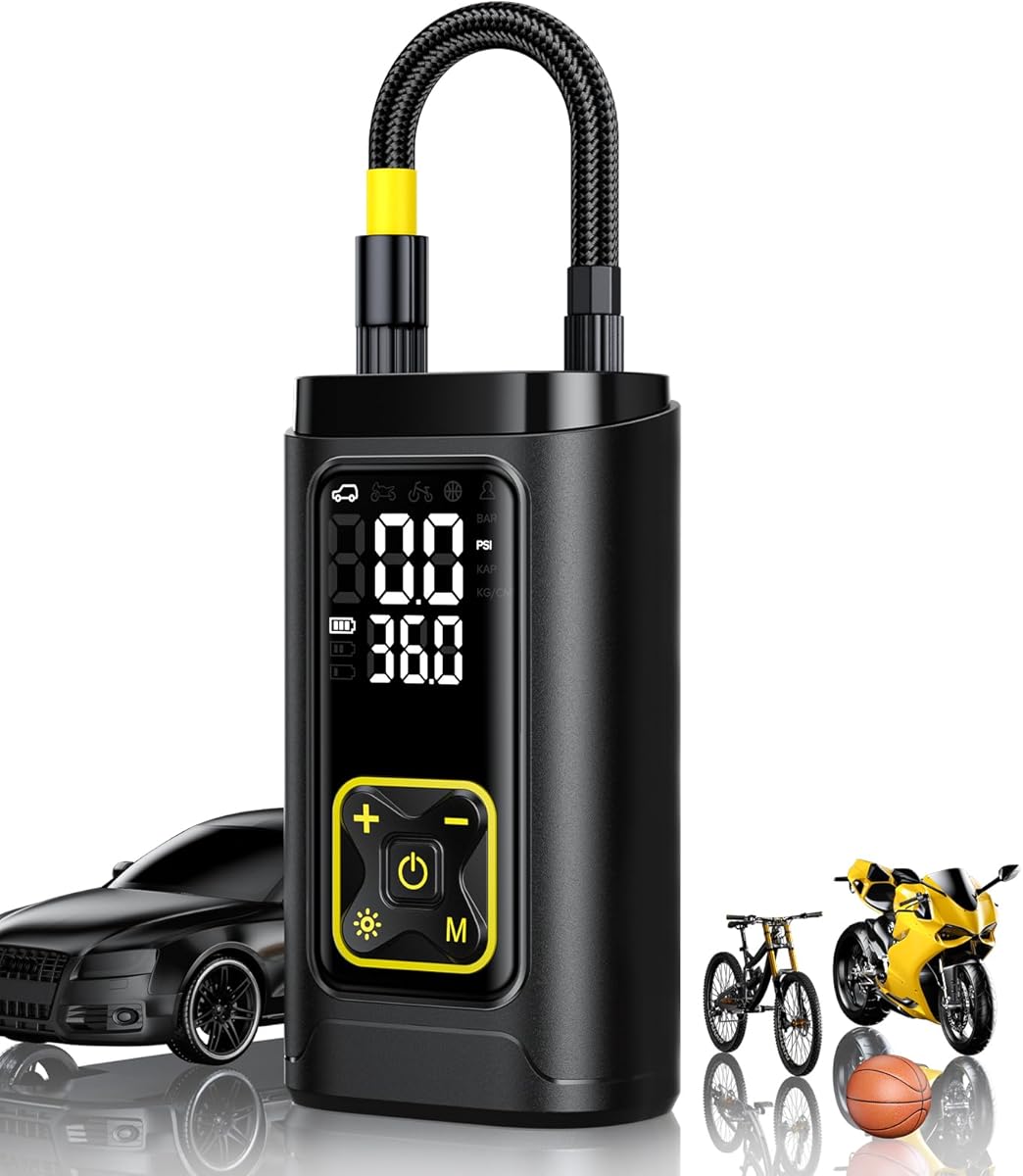
When choosing a portable air compressor for your car tires, you need more than just raw PSI—you need consistent accuracy, reliable auto shut-off, and a unit that won't overheat mid-job. This 150PSI digital pump promises fast inflation for cars, bikes, and sports equipment, but understanding key specs like flow rate and gauge precision helps you avoid common pitfalls.
Key Considerations Before Buying
- Maximum pressure vs. actual flow rate: A 150PSI rating is great for high-pressure bike tires, but for car tires you need a compressor that delivers at least 30-40 liters per minute to avoid waiting minutes per tire. Look for CFM (cubic feet per minute) or L/min specs to gauge real-world speed.
- Auto shut-off reliability: This feature prevents over-inflation, but its accuracy depends on the digital sensor. Check if the unit allows you to set your target PSI and whether it shuts off within ±1 PSI—critical for both safety and tire longevity.
- Power source and cord length: Most portable inflators plug into a 12V car outlet, but cord length affects reach. A unit with a 10-foot cord plus a 2-foot air hose gives you flexibility to reach all four tires without repositioning the car.
What Our Analysts Recommend
Quality indicators include a bright, backlit digital display for night use, an integrated LED light for emergencies, and a build that feels solid—not plasticky. Also, check for a thermal overload protector to prevent the motor from burning out during extended use, and ensure the included adapters (for balls, bike valves, etc.) store neatly within the unit.
Air Compressors & Inflators Market Context
Market Overview
The portable air compressor market has exploded with budget-friendly digital models, but many sacrifice gauge accuracy or durability for low price. Premium units now offer brushless motors, programmable pressure presets, and lithium-ion battery options, though corded 12V models remain the most reliable for emergency roadside use.
Common Issues
Common problems include digital gauges that drift by 2-5 PSI after a few months, plastic hose connectors that crack in cold weather, and auto shut-off mechanisms that fail to engage, leading to over-inflation. Also, some units overheat after inflating two car tires consecutively.
Quality Indicators
Look for units with brass or stainless steel fittings instead of plastic, a braided hose that resists kinking, and a motor rated for continuous duty (at least 15-20 minutes). Verified user photos showing the unit in use over time are also a strong signal of build quality.
Review Authenticity Insights
Grade B Interpretation
With a Grade B and an estimated 10% fake review rate, this product's feedback is largely trustworthy but warrants caution. The 4.89/5 star rating is slightly inflated, and the adjusted rating of 4.60/5 is more realistic—still excellent, but not perfect. The 10% fake reviews likely include a mix of incentivized or overly promotional posts.
Trust Recommendation
You can rely on the vast majority of verified purchase reviews, especially those that describe specific usage scenarios like 'inflated my SUV tires from 28 to 35 PSI in under 3 minutes.' However, be skeptical of reviews that lack detail or use generic praise like 'works great' without mentioning pressure settings or noise level.
Tips for Reading Reviews
Focus on reviews that mention real-world pressure accuracy—compare the unit's reading to a separate tire gauge. Also look for comments on noise level (decibels matter if you inflate late at night), cord length, and whether the LED light is bright enough for dark roadside use. Ignore any review that doesn't mention a specific use case.
Expert Perspective
This tire inflator appears to be a strong performer based on authentic user feedback, with a realistic adjusted rating of 4.60/5. The 10% fake review rate is manageable, and the high volume of verified purchases (2,475 reviews) suggests a well-established product. Its 150PSI capability and digital auto shut-off are key selling points, but the true test is whether it maintains accuracy over months of use—something only long-term reviews can confirm.
Purchase Considerations
If you frequently inflate multiple tires or high-pressure bike tires, this model's speed and pressure range should serve you well. However, if you need a unit for heavy-duty truck tires or continuous commercial use, consider a more robust 12V or cordless model with a higher duty cycle. Also, factor in that the LED light and digital gauge add convenience but may drain the car battery if used without the engine running.
Comparing Alternatives
Shoppers should compare this unit with competitors like the Viair 88P or EPAuto 12V model, which also offer strong reliability and user support. Pay attention to warranty length and customer service responsiveness, as portable compressors can fail after a year of regular use.