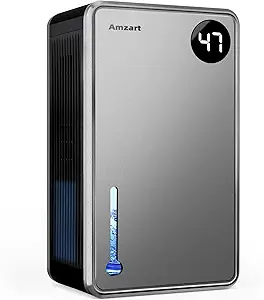
Crawl Space Dehumidifier Buying Guide: 75 Pints, Pump, and 4000 Sq Ft
When shopping for a high-capacity dehumidifier like this 75-pint model designed for crawl spaces, basements, and large areas up to 4000 sq ft, you're likely dealing with persistent moisture issues that can lead to mold, mildew, and structural damage. This guide focuses on key features—such as the integrated pump and auto defrost—that are critical for effective performance in unconditioned spaces like attics and garages.
Key Considerations Before Buying
- Pump and drainage: A built-in pump is essential for crawl spaces and basements where gravity drainage isn't possible; this model includes a drain hose for continuous operation without manual emptying.
- Capacity matching: At 75 pints per day, this unit targets spaces up to 4000 sq ft, but actual performance depends on humidity levels and temperature; ensure your area's moisture load aligns with this rating.
- Auto defrost feature: In colder environments like garages or crawl spaces, auto defrost prevents coil icing, maintaining efficiency when temperatures drop—a must for year-round use.
What Our Analysts Recommend
For a commercial-grade dehumidifier, prioritize durability (e.g., corrosion-resistant coils), energy efficiency (look for Energy Star certification), and ease of maintenance like washable filters. Also, verify warranty length and customer support responsiveness, as these units often run continuously in harsh conditions.
Dehumidifiers Market Context
Market Overview
The dehumidifier market is saturated with residential units, but commercial models for crawl spaces and large basements are a specialized niche. Brands compete on pint capacity, pump integration, and durability, with prices ranging from $200 to $600 for units like this one.
Common Issues
Common complaints include noisy operation, pump failures, and inaccurate humidity sensors. For crawl space units, condensation drainage and freezing in cold temps are frequent pain points, making auto defrost a critical feature.
Quality Indicators
Quality is indicated by solid build materials (e.g., metal housing vs. plastic), a reliable compressor brand, and positive long-term reviews from users in similar environments (e.g., basements, warehouses). Look for units with at least a 1-year warranty and UL or ETL certification.
Review Authenticity Insights
Grade B Interpretation
With a Review Authenticity Grade of B and an estimated 10% fake review rate, this product's feedback is mostly trustworthy but not flawless. The adjusted rating of 3.60/5 (down from 3.78) suggests that a small portion of positive reviews may be inflated, but the core sentiment is reliable.
Trust Recommendation
Focus on verified purchase reviews with specific details about installation, pump reliability, and performance in spaces like crawl spaces or garages. Be cautious of overly generic 5-star reviews lacking context, as they may be among the 10% fake.
Tips for Reading Reviews
When reading reviews, prioritize those that mention specific use cases (e.g., 'used in a 3000 sq ft basement with high humidity') and longevity (e.g., 'worked for 6 months without issues'). Filter by 'most recent' to catch any recurring defects.
Expert Perspective
This 75-pint dehumidifier targets a specific need: large, unconditioned spaces like crawl spaces and warehouses. Its pump and auto defrost are strong selling points, but the 3.60 adjusted rating and 10% fake review rate indicate mixed real-world performance. The product likely delivers adequate moisture removal for many users, but potential quality control issues (e.g., pump noise or sensor accuracy) may affect satisfaction. Given the $200-$400 price range, it's a mid-tier option worth considering if you prioritize capacity and pump features.
Purchase Considerations
Weigh the cost against your specific humidity challenges—if you need continuous operation in a cold crawl space, auto defrost is non-negotiable. However, compare with alternatives from established brands like AlorAir or AprilAire, which may offer better reliability and support.
Comparing Alternatives
Shoppers should compare this model with other 70-80 pint units that include pumps, such as the Vremi or hOmeLabs, to ensure you get the best balance of price and performance for your environment.