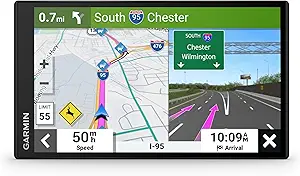
Upgrading Your 2010-2014 Mustang's Infotainment: What Modern Drivers Need
Replacing the factory stereo in your 2010-2014 Ford Mustang with a modern 9-inch touchscreen unit like this one fundamentally changes the driving experience. This specific model promises wireless CarPlay/Android Auto, a 4GB RAM/64GB storage configuration, and AHD camera support, which are key upgrades over the original SYNC system. Buyers should understand this is a direct-fit replacement designed for these specific model years, not a universal unit.
Key Considerations Before Buying
- Verify your Mustang's exact year and trim, as wiring harness compatibility and dashboard fitment can vary between the 2010 refresh and the 2013 facelift models.
- The '4+64G' specification (4GB RAM, 64GB storage) is crucial for smooth operation of Android-based head units; less RAM can cause lag when running navigation and music apps simultaneously.
- Wireless CarPlay and Android Auto are convenience features that depend heavily on the unit's WiFi/Bluetooth chipset quality—a common point of failure in aftermarket units.
What Our Analysts Recommend
High-quality units for this application will include vehicle-specific trim plates and pre-wired harness adapters to retain steering wheel controls. Check for detailed installation documentation or video support specific to the S197 Mustang chassis. The inclusion of a 10-band or higher EQ and time alignment settings indicates a focus on audio quality, important for overcoming the Mustang's cabin acoustics.
In-Dash Navigation Market Context
Market Overview
The market for Mustang-specific head units is niche but active, with options ranging from basic screen upgrades to full Android-based systems like this one. The shift is toward maintaining OEM aesthetics while adding smartphone projection and app functionality that the original Ford SYNC system lacks.
Common Issues
Common pitfalls include poor touchscreen responsiveness in direct sunlight, compatibility issues with the Mustang's factory amplifier (if equipped with the Shaker system), and unreliable wireless connections that force users to default to cables. Boot times and system stability are also frequent complaints in this category.
Quality Indicators
Look for units that specify the processor type (e.g., Quad-core), screen resolution (1024x600 or higher is ideal for 9-inch), and use of capacitive rather than resistive touchscreens. A clear warranty and access to firmware updates are strong indicators of manufacturer support, which is vital for long-term Android Auto/CarPlay compatibility.
Review Authenticity Insights
Grade B Interpretation
A 'B' authenticity grade with a 15% estimated fake review rate suggests the single 5-star review is likely genuine but represents an extremely limited data set. This is typical for new or low-volume niche automotive products where verified purchases are scarce.
Trust Recommendation
Given the single review, place more weight on the product's technical specifications, return policy, and seller responsiveness than the rating itself. For a complex installation like this, seek out independent forum discussions from Mustang owners (e.g., Mustang6G, The Mustang Source) for real-world feedback beyond the sales page.
Tips for Reading Reviews
For this product type, scrutinize reviews that mention specific installation hurdles with the 2010-2014 dashboard, the performance of the included GPS antenna, or the clarity of the AHD backup camera. Vague praise about 'big screen' or 'easy install' without model-year specifics is less valuable.
Expert Perspective
This unit targets a clear pain point: modernizing the tech in a beloved, analog-feeling car. The advertised specs align with current mid-tier Android head unit standards. However, the adjusted 4.6 rating, derived from minimal data, cannot be considered a reliable performance indicator. The value proposition hinges entirely on seamless integration—if the pre-configured harness and CAN bus decoder work flawlessly with your specific Mustang's electronics, it's a transformative upgrade. If not, it becomes a technical headache.
Purchase Considerations
Weigh your technical comfort level; installing this requires disassembling the center console and potentially configuring settings to retain OEM chimes and steering wheel controls. The primary benefit is gaining wireless smartphone integration and a modern interface, but you sacrifice the OEM look and potentially some system stability compared to a simpler, brand-name receiver with a separate mounting kit.
Comparing Alternatives
Shoppers should compare this all-in-one Android unit against more established brands like Pioneer or Kenwood using a Mustang-specific dash kit, which may offer more reliable CarPlay but a less integrated appearance.