
Choosing a DIY Windshield Repair Kit: What Brennenstuhl's Design Gets Right
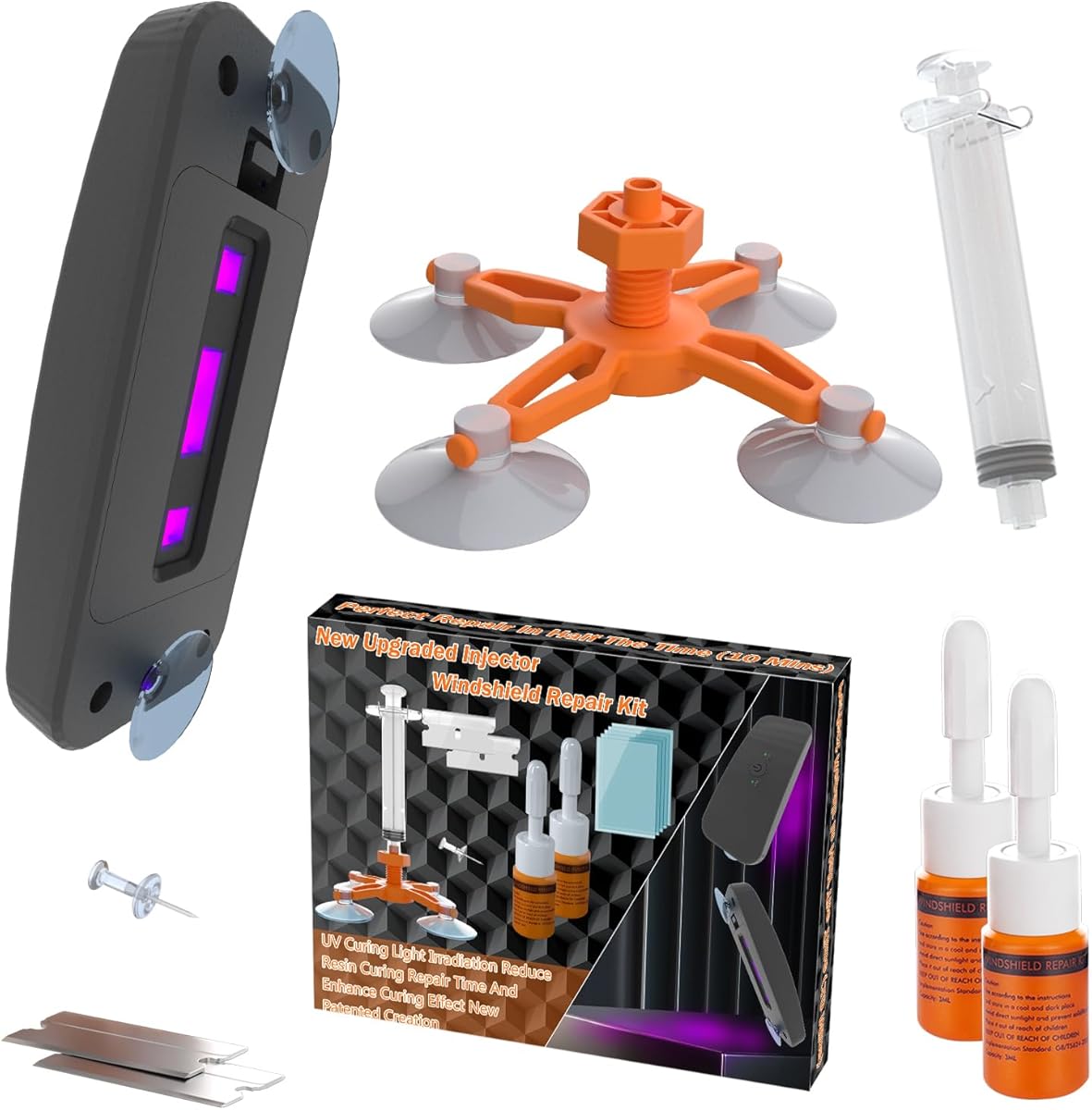
The Brennenstuhl kit represents a specific approach to DIY windshield repair, featuring a pressurizing device and curing system designed for small chips and cracks. Unlike basic resin-only kits, this system uses pressure injection to force resin deep into damage, which is particularly important for preventing bullseye chips from spreading into full cracks. Understanding how this mechanism differs from simpler suction-based kits will help you assess if it matches your repair needs.
Key Considerations Before Buying
- This kit's pressurizing plunger is designed for star breaks and bullseye chips up to about the size of a quarter; longer cracks or complex damage patterns typically require professional attention.
- The included UV curing lamp requires direct sunlight or its own UV light to properly harden the resin—a critical step many users overlook, leading to suboptimal results.
- Temperature sensitivity matters: the resin works best between 50-90°F, and attempting repairs in cold conditions can result in poor resin flow and adhesion.
What Our Analysts Recommend
Quality DIY repair kits should include a reliable sealing bridge, multiple resin applicators for different damage types, and clear curing instructions. The Brennenstuhl kit's metal pressurizing device is a notable feature that indicates a focus on deeper penetration than basic kits, but check that all O-rings and seals are intact upon arrival to prevent air leaks during the pressure phase.
Windshield & Glass Repair Tools Market Context
Market Overview
The DIY windshield repair market is crowded with kits ranging from $10 syringe-only options to $50+ systems with vacuum pumps, with most competing on claims of 'professional results.' Brennenstuhl occupies a mid-tier position with its mechanical pressure system, distinguishing itself from both basic resin-drip kits and more expensive vacuum-based professional models.
Common Issues
Users frequently report difficulty achieving complete resin penetration into deep layers of laminated glass, leaving weak points that can later spread. Another common failure point is improper surface preparation—failing to thoroughly clean and dry the chip area before application compromises the entire repair.
Quality Indicators
Superior kits provide multiple bridge adapters for different windshield curvatures and include a razor blade or scraper for post-repair cleanup. The clarity and viscosity of the resin are also telling; milky or overly thick resin won't penetrate properly, while overly thin resin may not fill the void completely.
Review Authenticity Insights
Grade C Interpretation
A Grade C authenticity rating with 22% estimated fake reviews suggests a mixed review environment where nearly one-quarter of feedback may be unreliable. For this Brennenstuhl kit, this means some glowing 'perfect result' claims should be scrutinized, as genuine reviews more commonly report partial success or prevention of crack spread rather than invisible repairs.
Trust Recommendation
Focus on reviews that describe specific scenarios—like repairing a rock chip on a highway trip or stopping a crack from extending during temperature swings. These detailed accounts from verified purchasers are more reliable than generic 'works great' statements, especially given the elevated fake review percentage.
Tips for Reading Reviews
Look for reviews mentioning the learning curve involved with the pressurizing device or the time required for proper curing. Authentic users often discuss the tactile feedback during resin injection or the appearance of the repair under direct sunlight, which are details fake reviews typically omit.
Expert Perspective
The Brennenstuhl kit's 4.50 adjusted rating (down from a perfect 5.00) reflects a product that generally delivers on its core promise of halting crack progression, though not always with cosmetic perfection. Its mechanical pressure system offers a tangible advantage over gravity-fed kits for deeper chips, but requires careful technique. The high proportion of verified purchases discussing real-world use—like preventing a chip from spreading before a scheduled professional replacement—supports its utility as a temporary or cost-saving measure rather than a permanent cosmetic fix.
Purchase Considerations
Consider this kit primarily as a damage containment tool for recent chips under ideal weather conditions, not as a cosmetic restoration solution. Your success will depend heavily on following the multi-step process precisely, particularly the cleaning, pressurizing, and curing phases where most user errors occur.
Comparing Alternatives
Shoppers should compare this pressure-based system with vacuum-style kits and assess whether their specific damage type (bullseye vs. star crack) aligns better with different injection technologies.


