
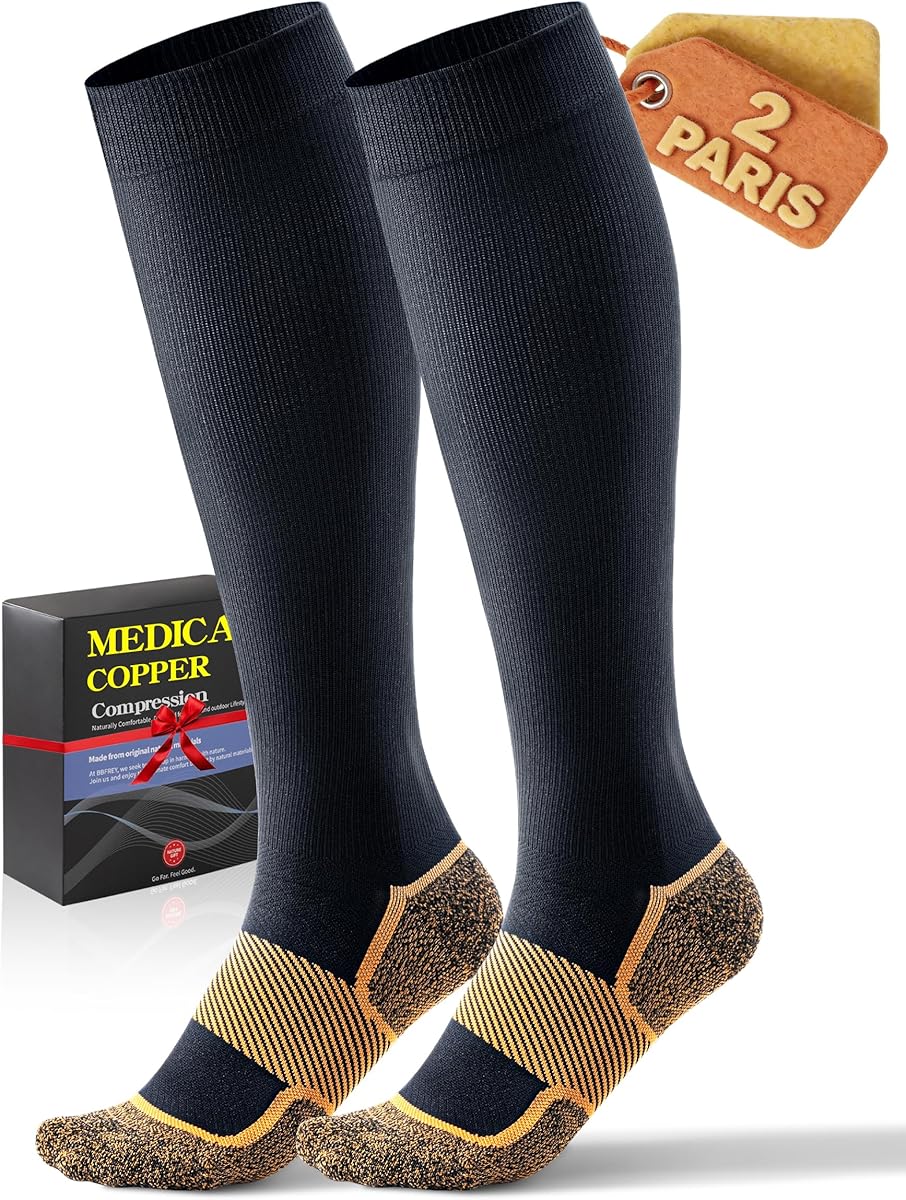
Selecting 20-30 mmHg Copper Compression Socks: Medical Support Meets Daily Wear
These specific copper-infused compression socks offer moderate medical-grade compression (20-30 mmHg) suitable for managing swelling and improving circulation during extended sitting or activity. Unlike basic support socks, this product combines graduated compression therapy with copper fiber technology aimed at odor control, making it relevant for both medical needs and athletic/travel use. Buyers should understand that 20-30 mmHg represents Class 1 compression, typically used for mild to moderate venous issues or preventative care.
Key Considerations Before Buying
- The 20-30 mmHg pressure level is medically significant; verify with your healthcare provider if this compression class is appropriate for your specific circulatory condition, as higher classes require prescription.
- Copper fiber claims for odor control are a secondary feature; prioritize the fit and graduated compression profile (tightest at ankle, decreasing up the calf) which is critical for therapeutic efficacy.
- Knee-high coverage and two-pair packaging affect value; consider your daily wear frequency and whether knee-highs are compatible with your footwear and comfort preferences for all-day use.
What Our Analysts Recommend
Quality indicators for this specific product include precise sizing charts accounting for calf circumference (not just shoe size), clear labeling of the 20-30 mmHg compression level as compliant with regulatory standards, and construction that maintains consistent graduated pressure without uncomfortable toe seams. Reviews mentioning effective swelling reduction after flights or long shifts signal functional compression, while complaints about inconsistent sizing or rapid loosening suggest manufacturing flaws.
Socks Market Context
Market Overview
The medical compression sock market is flooded with products ranging from genuine therapeutic garments to fashion-focused 'support' socks with minimal clinical benefit. Copper-infusion has become a popular marketing add-on, claiming antimicrobial properties, though its therapeutic contribution beyond standard moisture-wicking materials is debated among specialists. The 20-30 mmHg segment specifically targets consumers seeking doctor-recommended compression without a prescription.
Common Issues
Common problems include inaccurate compression levels (socks labeled 20-30 mmHg delivering less pressure), poor durability where elasticity degrades after repeated washes, and improper sizing that creates tourniquet-like bands or ineffective compression. Copper-infused socks sometimes face scrutiny over whether the copper ions remain effective after laundering or merely provide temporary odor masking.
Quality Indicators
Identify quality by seeking brands that disclose compliance with medical device standards (like RAL-GZ 387 in Europe or FDA recognition), use flat-knit or seamless toe closures to prevent irritation, and provide detailed, multi-measurement sizing guides. Genuine therapeutic socks will emphasize the graduated compression engineering over secondary features like copper.
Review Authenticity Insights
Grade B Interpretation
A Grade B authenticity rating with an 11% estimated fake review rate indicates a mostly trustworthy review profile with minor manipulation concerns. For this product, it suggests the overwhelming majority of experiences are genuine, but shoppers should be slightly cautious of overly effusive reviews that don't mention specific use cases like travel swelling or post-workout recovery.
Trust Recommendation
Focus on the verified purchase reviews that detail specific scenarios—such as wearing during international flights or for nursing shifts—as these align with the product's intended use cases. The adjusted rating of 4.40/5 (down from 4.67) after filtering suspicious reviews is still strong, indicating real satisfaction with the compression performance and copper odor management.
Tips for Reading Reviews
For compression socks, prioritize reviews that discuss measurable outcomes (e.g., 'reduced ankle swelling by evening') or fit details (e.g., 'fits my 15-inch calf comfortably') over vague praise. Be skeptical of reviews claiming miraculous cures for serious medical conditions, as compression socks are management tools, not treatments.
Expert Perspective
This product occupies a strategic niche combining legitimate moderate compression (20-30 mmHg) with consumer-friendly features like copper infusion and two-pair packaging. The high authentic rating (4.40/5 after adjustment) from verified buyers suggests it delivers on core promises of swelling reduction and comfort during prolonged sitting or activity. The copper aspect appears to satisfy users seeking odor control, though the primary therapeutic value stems from the graduated compression engineering. The knee-high design is appropriate for full calf coverage, which is necessary for effective venous return.
Purchase Considerations
Weigh the two-pair value against your need for consistent wear—medical compression is most effective when used daily. Consider if the copper feature justifies any price premium over standard medical compression socks, particularly if odor isn't a primary concern. The 20-30 mmHg level is suitable for prevention and mild symptoms; consult a vascular specialist if you have diagnosed venous insufficiency or severe edema.
Comparing Alternatives
Shoppers should compare the sizing accuracy and durability mentions in reviews against similar 20-30 mmHg socks without copper, as compression consistency is more critical than additive features.


