Solid Walnut KitchenAid Bowl: Handcrafted Wood vs. Standard Stainless Steel
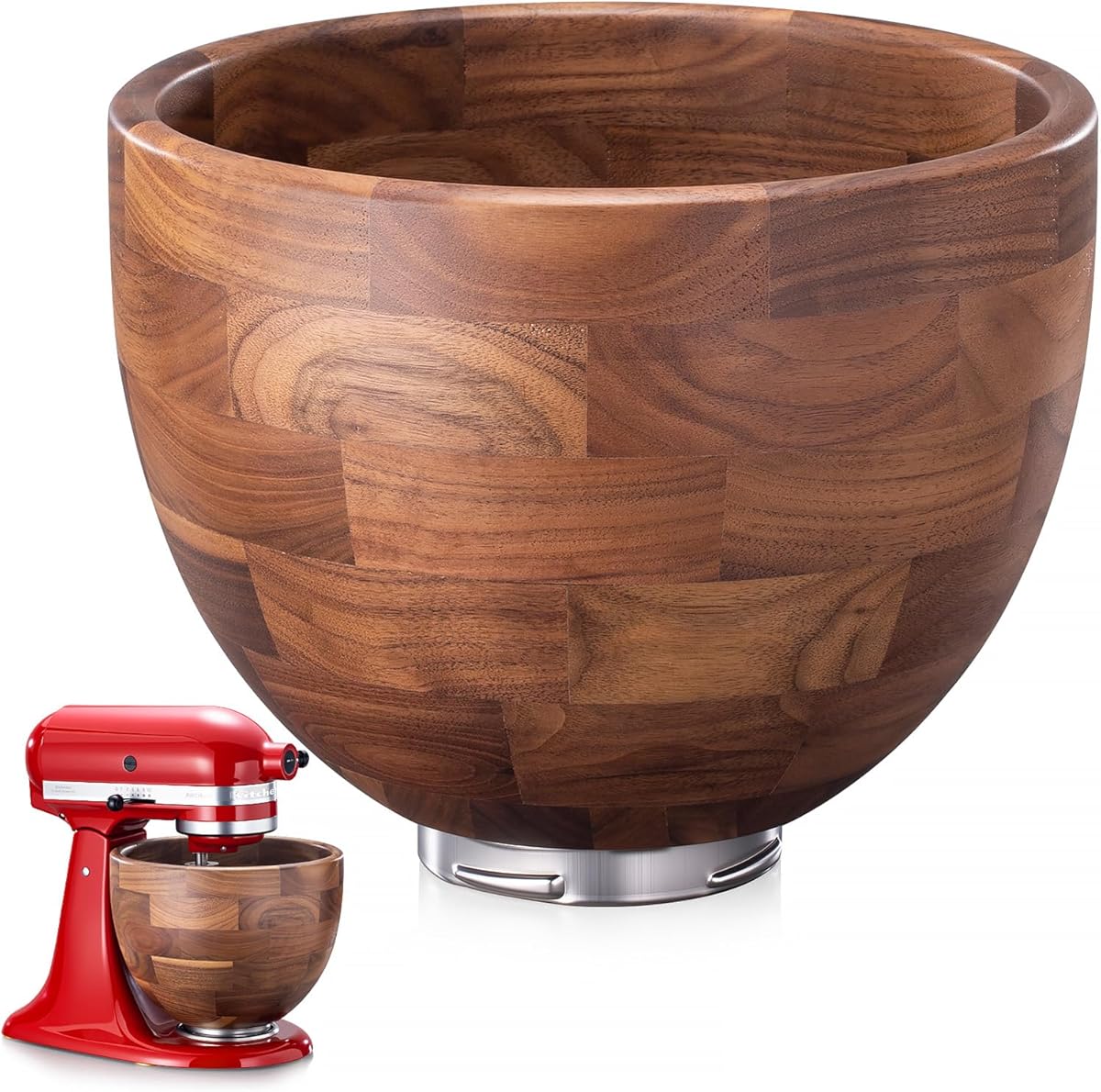
This handcrafted solid walnut bowl offers a distinct alternative to the standard stainless steel bowls that ship with KitchenAid mixers. Buyers should understand that wooden bowls for stand mixers serve specific culinary purposes, particularly for tasks where metal-on-metal contact is undesirable, like kneading stiff doughs or whipping delicate creams where temperature retention matters.
Key Considerations Before Buying
- Compatibility is non-negotiable: This bowl is specifically designed for the 4.5 and 5-quart tilt-head KitchenAid models; it will not fit the bowl-lift Pro series or any other brand of stand mixer.
- Wood requires different maintenance than metal: Unlike stainless steel, this walnut bowl cannot go in the dishwasher and needs periodic oiling with food-safe mineral oil to maintain its finish and prevent drying or cracking.
- Performance differs by task: Wood is gentler on your mixer's attachments and quieter during operation, but it's heavier than the stock bowl and has different thermal properties that can affect certain recipes, like chocolate work or meringues.
What Our Analysts Recommend
For a wooden mixer bowl, examine the craftsmanship of the turned wood—look for a seamless, smooth interior finish without deep tool marks that could trap food. The fit is critical; the bowl should lock securely into the mixer's base without wobble. Check that the included grip handles are securely fastened, as they bear the weight when lifting a full bowl.
Mixing Bowls Market Context
Market Overview
The market for compatible KitchenAid accessories is vast, but genuine wooden replacement bowls remain a niche, artisan category dominated by small-scale woodturners. Most alternatives are either generic stainless steel or plastic, making a solid hardwood option like this North American walnut bowl a premium, specialty purchase.
Common Issues
Common problems in this niche include bowls that are out-of-round (causing wobble during mixing), poor finishing that leads to splintering or food adhesion, and handles that are purely decorative rather than functional for lifting a heavy, dough-filled bowl. Incorrect sizing for specific mixer models is a frequent complaint.
Quality Indicators
High-quality wooden bowls feature tight, consistent grain patterns (indicating properly dried wood to prevent warping), a substantial wall thickness for durability, and a precisely machined locking groove that matches the mixer's drive mechanism. The finish should be a deep-penetrating, food-safe oil or wax, not a surface lacquer that can chip.
Review Authenticity Insights
Grade B Interpretation
A 'B' grade with an estimated 15% fake review rate suggests the majority of feedback is trustworthy, but shoppers should be slightly cautious. For a low-volume, artisan product like this, a small number of inauthentic reviews could disproportionately influence the overall rating.
Trust Recommendation
Focus on the verified purchase reviews that discuss long-term use, maintenance (like oiling the wood), and specific performance comparisons to the original metal bowl. Be skeptical of overly vague praise that doesn't mention the material's unique characteristics or the fit with a specific KitchenAid model.
Tips for Reading Reviews
For this product, prioritize reviews that mention the bowl's weight, the noise level compared to metal, and its performance with specific tasks like kneading bread dough or making pastry. Reviews noting the bowl's dimensions or how it fits on the mixer base are typically more credible than those just calling it 'beautiful.'
Expert Perspective
The adjusted rating of 4.4/5, derived from largely authentic reviews, indicates a well-regarded, functional artisan product. The high score reflects satisfaction among buyers who understood they were purchasing a specialized tool, not a direct stainless steel replacement. The niche appeal is clear: it's for bakers who value craftsmanship, quieter operation, and the aesthetic of natural wood in their kitchen workflow. The primary trade-off is the added care requirement inherent to any wooden kitchenware.
Purchase Considerations
Weigh your willingness to perform hand-washing and periodic oiling against the desired benefits of a quieter, gentler, and warmer-looking mixing experience. This purchase makes the most sense for dedicated home bakers who use their KitchenAid frequently and have already experienced the limitations or desired an upgrade from the standard metal bowl.
Comparing Alternatives
Shoppers should compare this solid wood bowl against third-party stainless steel bowls and the official KitchenAid ceramic-coated bowl, considering factors of maintenance, weight, and intended use.