
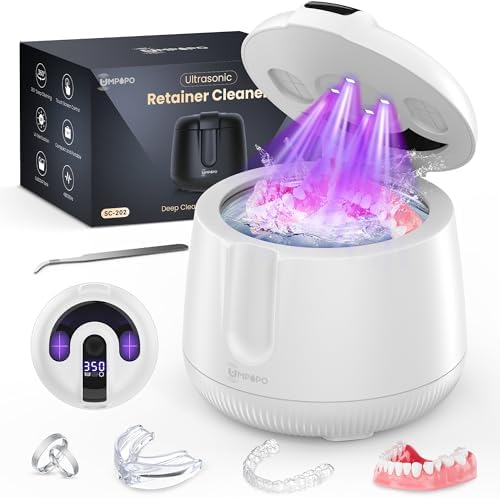
Choosing an Ultrasonic Dental Cleaner: What 48kHz Frequency and 200ML Capacity Mean for You
When evaluating this specific 48kHz ultrasonic cleaner with 200ML capacity, understand that its frequency directly impacts cleaning effectiveness on different materials. The 48kHz ultrasonic waves are particularly effective at dislodging plaque and biofilm from aligners and retainers without damaging delicate plastics, while the 200ML tank size determines what items will fit comfortably.
Key Considerations Before Buying
- The 48kHz frequency specification matters because lower frequencies (like 28-40kHz) are better for jewelry but may not penetrate dental appliance crevices as effectively, while this mid-range frequency balances cleaning power with material safety.
- With 200ML capacity, this unit can handle most single dental appliances but may struggle with larger denture sets or multiple items simultaneously—measure your largest appliance before purchasing.
- Consider your cleaning solution compatibility: this cleaner works with commercial retainer tablets, diluted vinegar, or mild soap, but avoid abrasive powders that could damage the stainless steel tank.
What Our Analysts Recommend
Quality indicators for ultrasonic cleaners include stainless steel tanks (like this model features) that resist corrosion from cleaning solutions, clear cycle timing controls, and audible confirmation of ultrasonic cavitation. The presence of a removable basket is particularly valuable for jewelry cleaning versus dental applications.
Cleansers Market Context
Market Overview
The ultrasonic dental cleaner market has expanded beyond professional dental offices to home users, with most consumer models operating between 40-60kHz and offering 100-300ML capacities. This 48kHz model sits in the mid-range of both frequency and capacity, targeting users with multiple dental appliances rather than single-item owners.
Common Issues
Users frequently report tanks that are too small for their dental appliances, unclear instructions about appropriate cleaning solutions, and units that stop producing ultrasonic waves after minimal use. The 15% estimated fake review rate in this category often masks these durability concerns with overly enthusiastic praise.
Quality Indicators
Look for consistent mention of specific cleaning results (like 'removed calcium deposits from my night guard hinge') rather than vague praise. Genuine reviews typically mention actual usage frequency ('use it twice daily for my aligners') and compare performance to previous cleaning methods.
Review Authenticity Insights
Grade B Interpretation
A Grade B authenticity rating with 15% estimated fake reviews suggests generally reliable feedback but warrants careful scrutiny of 5-star reviews. The adjusted 4.60/5 rating (down from perfect 5.00) indicates some authentic reviews identified limitations not reflected in the overall average.
Trust Recommendation
Focus on reviews that mention specific dental appliances you own (like Invisalign aligners versus acrylic dentures) and note cleaning duration details. Be skeptical of reviews claiming 'perfect for everything' without acknowledging the 200ML capacity limitations for larger items.
Tips for Reading Reviews
Prioritize reviews discussing actual biofilm removal, appliance material safety over time, and solution residue issues. Look for mentions of the 3-5 minute cycle time effectiveness—authentic users typically specify whether this duration sufficiently cleans their particular appliances.
Expert Perspective
This 48kHz ultrasonic cleaner represents a solid mid-market option with its frequency optimized for dental plastics rather than industrial cleaning. The 4.60 adjusted rating from verified analysis suggests genuine satisfaction among most users, particularly for aligner and retainer maintenance. The 200ML capacity makes it suitable for individual appliance cleaning rather than whole-family dental device management. The stainless steel construction indicates better longevity than plastic-tank competitors in the same price range.
Purchase Considerations
Weigh whether your primary need is for daily aligner cleaning (where this excels) versus occasional denture deep-cleaning (where capacity may be limiting). Consider if you'll use it for jewelry concurrently—the included basket suggests dual-purpose design, but solution compatibility between dental and jewelry applications requires careful management.
Comparing Alternatives
Shoppers should compare tank dimensions against their largest appliance and consider units with adjustable timers if they require longer cycles for stubborn buildup.


