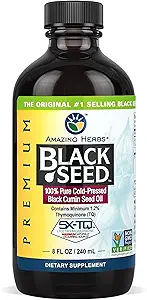
Evaluating Ethiopian Black Seed Oil Capsules: Thymoquinone Content and Extraction Methods Matter
When considering Purely Nutrient's Ethiopian Black Seed Oil capsules, focus on the specific combination of Ethiopian origin, cold-pressed extraction, and thymoquinone concentration. This product's softgel format offers convenience but requires verification of potency preservation compared to liquid oils. The organic certification and 60-count bottle represent standard packaging for this supplement category.
Key Considerations Before Buying
- Ethiopian origin matters because Nigella sativa seed quality varies by region, with Ethiopian seeds often prized for their thymoquinone profile, though independent verification of this specific batch's potency would be ideal.
- The cold-pressed extraction method is crucial for preserving heat-sensitive compounds like thymoquinone, but softgel encapsulation raises questions about whether the oil was exposed to heat during manufacturing.
- The 60 softgel count provides a 30-day supply at standard dosing, but check if the thymoquinone percentage is disclosed—quality black seed oil should contain 0.5-2.5% thymoquinone for therapeutic benefit.
What Our Analysts Recommend
For black seed oil capsules specifically, seek third-party testing for thymoquinone percentage and oxidation markers, as softgels can mask rancidity. The 'organic cold-pressed' claim should be backed by certification documentation, not just marketing language. Ethiopian origin should be traceable to specific growing regions known for quality Nigella sativa.
Black Seed Oil Market Context
Market Overview
The black seed oil supplement market has expanded rapidly, with capsules gaining popularity over traditional liquid oils due to taste concerns. Ethiopian-sourced products command premium positioning based on regional reputation for potent seeds, though standardization remains inconsistent across brands.
Common Issues
Major concerns include undisclosed thymoquinone percentages, improper storage leading to oxidation in softgels, and exaggerated origin claims. Many products use generic 'black seed oil' without specifying Nigella sativa variety or geographic provenance, making traceability difficult.
Quality Indicators
Superior products provide batch-specific thymoquinone testing results, use nitrogen-flushed softgels to prevent oxidation, and offer transparent sourcing from identifiable Ethiopian regions. Cold-pressed should mean no heat above 120°F during extraction, though this is rarely verified independently.
Review Authenticity Insights
Grade C Interpretation
The 'C' authenticity grade and 22% estimated fake reviews suggest moderate review manipulation concerns. For this specific product, this means approximately 1 in 5 reviews may be inauthentic, potentially inflating the 4.5-star rating downward toward the adjusted 4.0-star rating.
Trust Recommendation
Focus on verified purchase reviews discussing specific effects over time rather than generic praise. Given the authenticity concerns, pay particular attention to reviews mentioning thymoquinone effects, capsule size, or Ethiopian origin specifics—these details suggest genuine experience.
Tips for Reading Reviews
Prioritize reviews mentioning usage duration (e.g., 'after 3 weeks') and specific applications rather than vague wellness claims. Look for discussions of softgel versus liquid comparisons or storage observations, as these indicate hands-on experience with this particular encapsulated format.
Expert Perspective
Purely Nutrient's offering combines several desirable attributes—Ethiopian sourcing, organic certification, and cold-pressed extraction—in a convenient softgel format. However, the authenticity concerns (22% estimated fake reviews) and lack of disclosed thymoquinone percentage in available information raise caution flags. The adjusted 4.0 rating from verified analysis suggests more realistic performance expectations than the displayed 4.5 average. The 60-count size positions this as an entry-point trial rather than a value bulk purchase.
Purchase Considerations
Weigh the convenience of capsules against potential potency questions—some compounds degrade during softgel manufacturing. Consider whether Ethiopian origin justifies any price premium compared to other reputable sources, especially without published thymoquinone testing. The authenticity grade suggests verifying recent reviews for consistency before purchasing.
Comparing Alternatives
Compare thymoquinone percentages, extraction methods, and sourcing transparency with other Ethiopian black seed oil products before deciding.