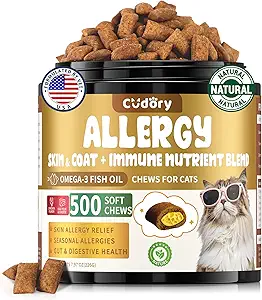
Choosing Effective Hairball Chews: What Cat Owners Need to Know
When evaluating hairball remedy chews like this 150-count chicken-flavored soft chew product, focus on formulation specifics beyond basic lubrication. This particular product combines hairball prevention with skin/coat support, creating a dual-action approach that differs from traditional petroleum-based gels. Understanding whether your cat needs prevention or active treatment will determine if this format is appropriate.
Key Considerations Before Buying
- Soft chews require consistent administration for prevention, unlike pastes that are often used reactively after hairball symptoms appear.
- The chicken flavoring and treat format can improve compliance but may not work for cats with poultry sensitivities or those who reject chewy textures.
- Products claiming both hairball control and skin/coat support typically contain omega fatty acids and fiber blends, requiring evaluation of ingredient synergy.
What Our Analysts Recommend
Quality hairball chews should specify fiber types (like psyllium or cellulose) and lubrication agents (such as vegetable oils rather than mineral oil). Check whether the product is designed for daily maintenance or intermittent use, as this affects dosing frequency and long-term cost. The 150-count packaging suggests a 2-3 month supply for single-cat households at standard dosing.
Hairball Remedy Pastes & Gels Market Context
Market Overview
The hairball remedy market has shifted from messy pastes to more convenient formats like these soft chews, with products increasingly combining hairball control with digestive or coat benefits. Indoor cat formulas have become dominant as manufacturers target the specific grooming patterns of non-shedding seasons in climate-controlled environments.
Common Issues
Many hairball products fail to distinguish between prevention and treatment, leading to improper usage. Treat-form remedies often face palatability issues with finicky cats, while some fiber-based formulas can cause constipation if not properly balanced with hydration. The transition from gels to chews sometimes sacrifices immediate lubricating action for convenience.
Quality Indicators
Superior products specify fiber sources and include natural lubricants like sunflower oil rather than mineral oil, which can interfere with nutrient absorption. Look for clear dosing instructions based on weight and hairball frequency, not just blanket recommendations. Effective formulas address both hair passage through the digestive tract and coat health to reduce shedding.
Review Authenticity Insights
Grade B Interpretation
The Grade B authenticity rating with 11% estimated fake reviews indicates generally reliable feedback but suggests some review manipulation. The drop from 4.44 to 4.20 when excluding suspicious reviews shows modest inflation, but the remaining 4.20 score still represents strong genuine satisfaction.
Trust Recommendation
Focus on reviews that mention specific administration details (like 'my cat takes these mixed with wet food') or compare this chew format to pastes they've previously used. Be skeptical of reviews that only praise the chicken flavor without discussing actual hairball reduction or that claim miraculous overnight results.
Tips for Reading Reviews
Look for reviews that document transition periods (most effective chews take 2-4 weeks to show results) and mention coat condition improvements alongside hairball reduction. Pay particular attention to reviews from multi-cat households, as they provide better data on palatability across different feline preferences.
Expert Perspective
This product's 4.20 adjusted rating from verified reviews suggests it effectively addresses hairball concerns for most cats, with the soft chew format representing a meaningful innovation over traditional pastes. The dual focus on hairball prevention and skin/coat support through digestive health reflects current understanding that internal and external grooming factors must be addressed together. The chicken flavor appears successful given review patterns, though cats with texture sensitivities may still reject the chewy format.
Purchase Considerations
Consider your cat's hairball frequency and texture preferences—cats accustomed to crunchy treats may need gradual introduction to soft chews. The 150-count package offers good value for multi-cat households or long-term prevention but represents commitment if your cat rejects the format. Compare the fiber blend against your cat's current diet to avoid over-supplementation.
Comparing Alternatives
Shoppers should compare this product's ingredient ratios and dosing schedule against similar chews, particularly regarding fiber sources and whether lubrication agents are included alongside digestive support.