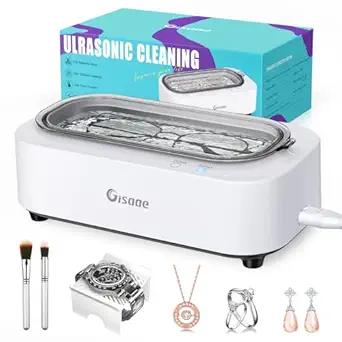
Choosing an Ultrasonic Cleaner for Dental Appliances: Key Features That Matter
When selecting an ultrasonic cleaner specifically for dental retainers, aligners, and mouth guards, the 48kHz frequency and 200ml capacity of this model are critical specifications. These characteristics determine both cleaning effectiveness for biofilm removal and practical daily usability for personal oral appliances.
Key Considerations Before Buying
- The 48kHz ultrasonic frequency is optimal for dental appliances—higher frequencies are gentler on delicate plastics and acrylics while effectively disrupting plaque and bacteria without damaging materials.
- A 200ml capacity like this unit's is specifically sized for individual dental appliances; larger tanks waste cleaning solution, while smaller ones may not fully submerge retainers or aligners.
- Look for dedicated dental appliance modes—many ultrasonic cleaners designed for jewelry or electronics lack the specialized cycles needed for thorough oral device sanitation.
What Our Analysts Recommend
Quality indicators include stainless steel tanks that resist corrosion from cleaning tablets, clear cycle indicators for proper timing, and splash-proof designs for bathroom counter use. The black anodized finish on this model suggests better durability against water spots and cleaning solution residue compared to basic plastic housings.
Ultrasonic Cleaners Market Context
Market Overview
The ultrasonic cleaner market has expanded from industrial applications to personal dental care, with many units now specifically marketed for retainers and aligners. This shift has created a range of products from medical-grade devices to repurposed jewelry cleaners with varying effectiveness for oral hygiene applications.
Common Issues
Many ultrasonic cleaners marketed for dental use operate at suboptimal frequencies (below 40kHz) that may not effectively remove biofilm, or they feature poorly sealed electronics that fail when exposed to bathroom humidity. Some units also have tanks too small for full appliance submersion.
Quality Indicators
Superior units feature medical-grade transducers that maintain consistent 40-50kHz frequencies, corrosion-resistant 304 stainless steel tanks, and clear cycle documentation showing effectiveness against oral bacteria. The 'upgraded' designation on this model typically indicates improved transducer longevity over previous generations.
Review Authenticity Insights
Grade B Interpretation
A Grade B authenticity rating with 11% estimated fake reviews indicates predominantly genuine feedback but suggests some review manipulation. For this product category, this typically manifests as overly enthusiastic reviews about 'miraculous' cleaning results that don't align with ultrasonic technology's actual capabilities.
Trust Recommendation
Focus on verified purchase reviews that mention specific dental appliances (Invisalign, Night Guards, Hawley retainers) and describe actual usage patterns. The adjusted 4.60/5 rating from authentic reviews provides a more reliable performance indicator than the raw 4.89/5 average.
Tips for Reading Reviews
Prioritize reviews that discuss long-term performance (3+ months), mention specific cleaning solutions used, and compare results to previous cleaning methods. Be skeptical of reviews claiming complete stain removal from aged appliances—ultrasonic cleaners maintain hygiene but have limitations on deep-set discoloration.
Expert Perspective
This specific 48kHz, 200ml ultrasonic cleaner represents a targeted solution for dental appliance maintenance, with frequency and capacity optimized for personal oral devices rather than general-purpose cleaning. The high authentic rating (4.60/5 from verified purchasers) suggests reliable performance for its intended use case, though the 11% fake review rate warrants careful review evaluation. The unit's positioning between industrial ultrasonic cleaners and basic consumer models offers appropriate technology for home dental care without unnecessary complexity.
Purchase Considerations
Consider whether you need dedicated dental appliance cleaning versus multi-purpose use—this unit's specifications prioritize oral device hygiene over jewelry or electronics cleaning. Evaluate your appliance materials: 48kHz is safe for most aligner plastics but verify compatibility with specialized orthodontic devices. Factor in ongoing costs of cleaning tablets versus generic ultrasonic solutions.
Comparing Alternatives
Shoppers should compare this unit's 48kHz frequency and 200ml capacity against both higher-frequency medical devices and lower-frequency jewelry cleaners marketed for dental use.