
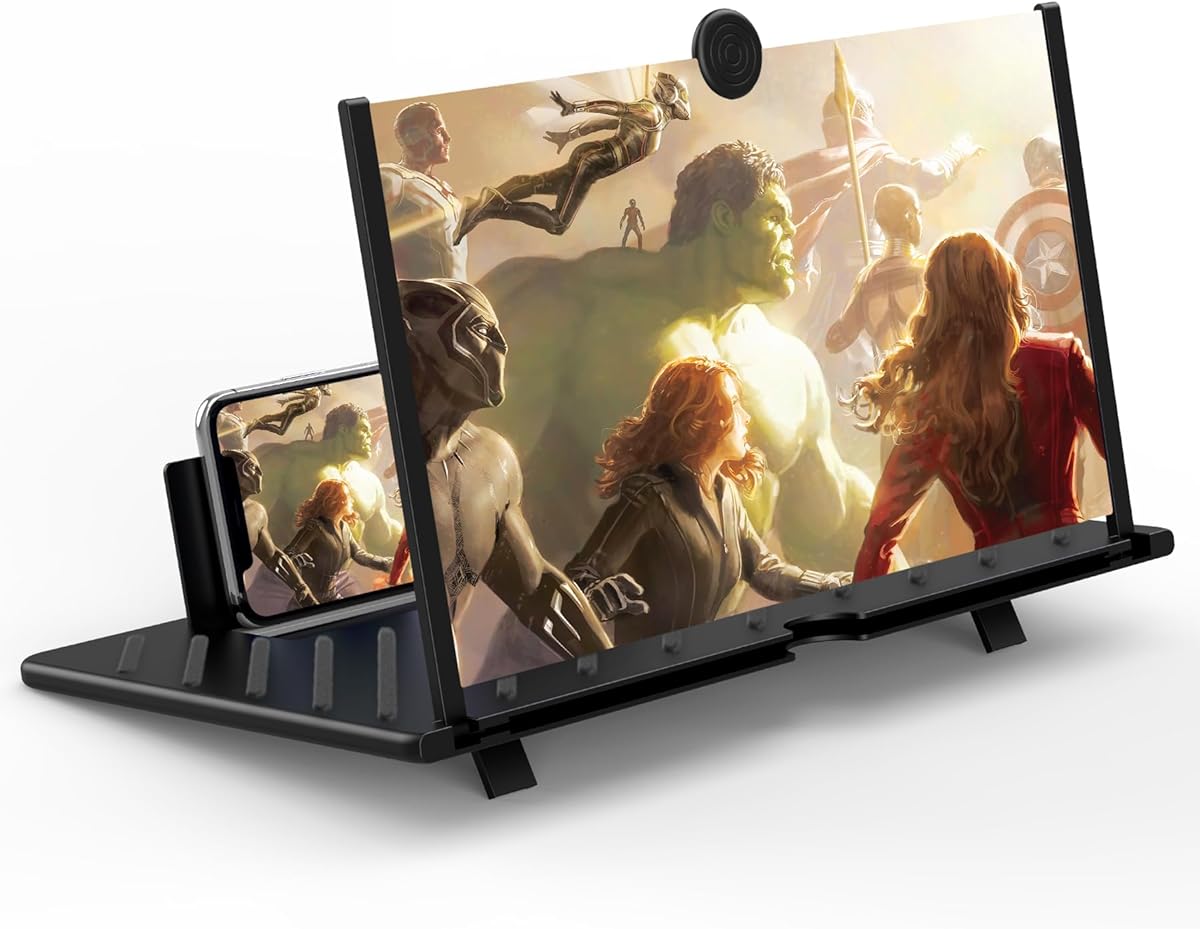
Choosing a 20-inch smartphone screen magnifier: Key factors for movies, gaming, and reading
This 20-inch screen magnifier transforms your smartphone into a portable big-screen experience, but its effectiveness depends on specific design features. The adjustable angle design and 3D HD claims differentiate it from basic magnifiers, making it suitable for both entertainment and senior reading applications. Understanding how these features translate to real-world use is crucial for buyers.
Key Considerations Before Buying
- The 20-inch diagonal measurement creates a viewing area comparable to a small monitor, but actual usable screen size depends on the magnifier's optical quality and your smartphone's display dimensions.
- Adjustable angle mechanisms vary significantly—look for stable hinges that maintain position without slipping, especially important for desktop reading or extended movie viewing sessions.
- 3D HD marketing claims typically refer to lens curvature and anti-reflective coatings; genuine quality units minimize distortion at edges while maintaining center clarity.
What Our Analysts Recommend
Quality screen expanders maintain consistent focus across the entire viewing area with minimal chromatic aberration. The stand mechanism should offer multiple stable positions without wobbling, and the frame should block ambient light effectively to prevent glare. For senior reading applications, verify the base provides enough stability to prevent tipping during touch interactions.
Screen Expanders & Magnifiers Market Context
Market Overview
Smartphone screen magnifiers occupy a niche between portable projectors and tablet devices, offering a low-cost big-screen alternative without requiring power sources. The market has shifted toward larger 18-22 inch models with stand designs, moving beyond simple handheld magnifiers. Current products emphasize multi-use functionality for entertainment, gaming, and accessibility applications.
Common Issues
Many magnifiers suffer from edge distortion, reduced brightness, or color shifting that diminishes the viewing experience. Stand mechanisms often lack stability, causing the unit to collapse during use, while poor light blocking allows glare to wash out the image. Some units marketed as 'HD' actually use basic Fresnel lenses with noticeable visual artifacts.
Quality Indicators
Superior magnifiers use multi-element acrylic lenses with anti-reflective coatings rather than single-layer plastic. Look for weighted bases or rubberized feet for stability, and frames with side and top light blocking panels. Genuine HD models maintain smartphone resolution without introducing visible pixelation or screen door effects.
Review Authenticity Insights
Grade B Interpretation
A Grade B authenticity rating with 15% estimated fake reviews indicates mostly genuine feedback but suggests some review manipulation. The 4.10 adjusted rating (down from 4.44) reflects removal of suspicious reviews, providing a more realistic quality assessment. This level of authenticity is typical for accessory categories where some sellers incentivize reviews.
Trust Recommendation
Focus on reviews that mention specific use cases like 'watching Netflix in bed' or 'helping my grandmother read recipes,' as these demonstrate genuine ownership. Be skeptical of reviews that only praise generic features without personal context. The verified purchase rate appears strong, giving more weight to those marked with 'V' tags.
Tips for Reading Reviews
Pay particular attention to reviews discussing the adjustable stand's stability and lens clarity during movie scenes with dark scenes or fast motion. Look for mentions of actual smartphone models used, as compatibility varies with screen size and aspect ratio. Senior-focused reviews should address ease of setup and text readability at different angles.
Expert Perspective
This product's 4.10 adjusted rating suggests satisfactory performance for its price point, though not exceptional. The combination of entertainment and accessibility features makes it versatile, but likely compromises on optical excellence in both areas. The adjustable angle design addresses a common limitation in fixed-position magnifiers, potentially justifying its desktop focus. The black frame color aids light blocking but may show dust and fingerprints more readily than lighter finishes.
Purchase Considerations
Consider your primary use case: movie viewing benefits from larger sizes but requires better optical quality, while reading applications prioritize minimal distortion and stable positioning. Measure your viewing distance, as 20 inches works best at 2-3 feet. Check your smartphone's screen brightness, as all magnifiers reduce perceived brightness through light diffusion.
Comparing Alternatives
Compare this model's stand mechanism and lens specifications against similar 18-22 inch magnifiers, particularly noting weight distribution and hinge construction differences.

![SPIDERCASE Magnetic for Samsung Galaxy S26 Ultra Case,[Built-in Invisible Kickstand] Anti-Yellowing Anti-Scratched Shockproof Slim Phone Case for S26 Ultra 6.9'',Clear](https://m.media-amazon.com/images/I/71r4EztpX1L._AC_SY300_SX300_QL70_FMwebp_.jpg)
![SPIDERCASE Magnetic for Samsung Galaxy S26 Case, [3 Stand Ways][ Military Grade Drop Protection] with Invisible Stand Shockproof Slim Case for Samsung Galaxy S26 6.3 inch, Clear](https://m.media-amazon.com/images/I/71I23jx37SL._AC_SY300_SX300_QL70_FMwebp_.jpg)


