
Choosing a Budget Smartwatch: Balancing Core Features with Call Functionality
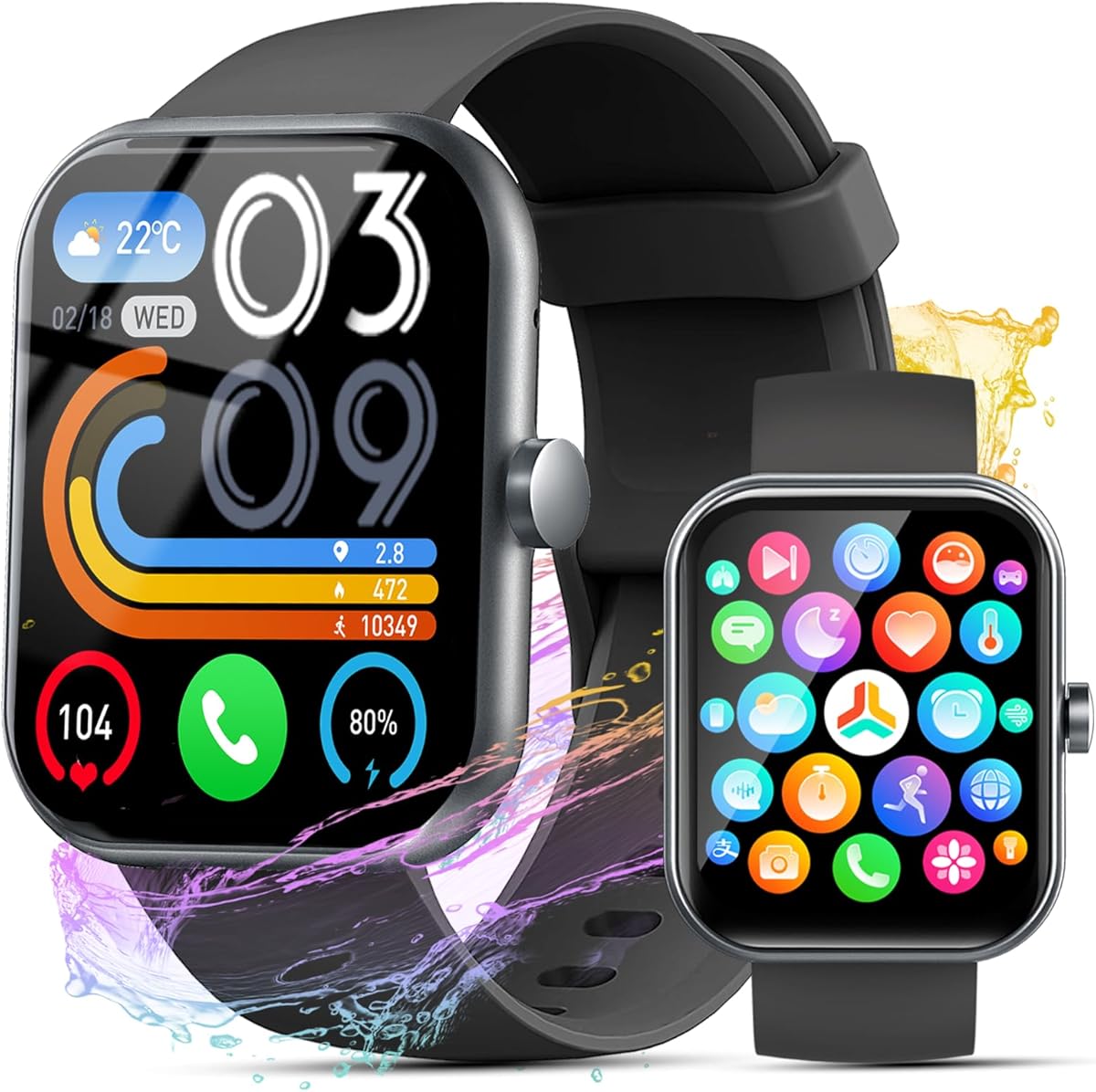
This 2026 model smartwatch positions itself as an affordable all-rounder with direct call answering—a feature typically found in more expensive devices. Buyers should evaluate whether the 1.96" HD display and 110+ sport modes meet their actual needs versus marketing claims. The IP68 rating suggests durability, but real-world performance depends on implementation.
Key Considerations Before Buying
- The 'answer/make calls' feature requires Bluetooth tethering to your phone and won't function independently like cellular-enabled watches, which impacts its utility during workouts or when your phone isn't nearby.
- With 110+ sport modes, most users will only utilize a handful; focus on whether your primary activities (running, cycling, swimming with IP68) are accurately tracked rather than the total count.
- The 4.44/5 rating with a slight adjustment to 4.20/5 after authenticity filtering indicates generally positive reception, but watch for consistency in feedback about battery life during call use and display visibility outdoors.
What Our Analysts Recommend
For this product category, examine reviews mentioning specific sport mode accuracy and call clarity over Bluetooth. Quality indicators include consistent heart rate tracking during activity transitions and sleep stage detection that aligns with your perceived restfulness. The HD display should maintain responsiveness during swipe gestures, not just static viewing.
Smartwatches Market Context
Market Overview
The sub-$100 smartwatch market is crowded with devices offering similar spec sheets, making differentiation difficult. This model's 2026 branding and call functionality attempt to stand out, but actual year-of-release components may not match flagship 2026 tech. Consumers face a trade-off between comprehensive features and refined execution.
Common Issues
Common problems in this segment include overstated waterproof capabilities (IP68 doesn't guarantee swimming durability), inconsistent optical heart rate monitoring during high-intensity intervals, and rapid battery degradation when using power-intensive features like call functions. Many watches also struggle with accurate sleep stage detection beyond basic duration tracking.
Quality Indicators
Look for detailed reviews discussing multi-day battery life with typical usage patterns, not manufacturer claims. Quality devices in this category demonstrate consistent Bluetooth 5.0+ connectivity for calls and notifications, responsive touchscreens with minimal lag, and companion apps that provide actionable health insights rather than just raw data.
Review Authenticity Insights
Grade B Interpretation
A Grade B authenticity rating with 11% estimated fake reviews suggests mostly reliable feedback but warrants cautious optimism. This level indicates some review manipulation exists—likely emphasizing the call feature or sport mode count—but the core consensus around the 4.20 adjusted rating reflects genuine user experiences.
Trust Recommendation
Prioritize reviews that mention specific use cases like 'using the call function during my commute' or 'tracking my weekend hike with elevation data.' Be skeptical of reviews focusing solely on unboxing impressions or repeating marketing terms like '110+ modes' without explaining which ones they actually used. The verified purchase status of most reviews adds credibility.
Tips for Reading Reviews
For this device, pay particular attention to reviews discussing call quality over several weeks and battery drain when using this feature. Look for mentions of the companion app's stability with your specific phone model (Android/iOS version), as connectivity issues often appear later in ownership. Reviews noting firmware updates addressing early bugs are especially valuable.
Expert Perspective
This smartwatch represents a value-oriented attempt to blend fitness tracking with communication features typically reserved for higher-tier devices. The 4.20 adjusted rating from verified purchases suggests it delivers on basic promises for most users, though likely with compromises in sensor accuracy and software polish compared to established brands. The large display and call functionality create a compelling package if your priority is convenience over clinical-grade metrics. However, the 11% fake review rate indicates some feature exaggeration exists in the feedback ecosystem.
Purchase Considerations
Consider this device if you prioritize answering calls from your wrist and basic activity tracking over advanced health metrics or seamless ecosystem integration. The IP68 rating suits accidental splashes but shouldn't be trusted for prolonged swimming. Weigh the convenience of the 1.96" screen against potential battery trade-offs, especially if you plan to use call features frequently throughout the day.
Comparing Alternatives
Shoppers should compare this model's call functionality and sport mode variety against similarly priced alternatives from Amazfit, Huawei, or older-generation Fitbit models that may offer more refined software at the expense of calling features.


