
Choosing Bone Conduction Headphones: Balancing Sound Quality, Comfort, and Situational Awareness
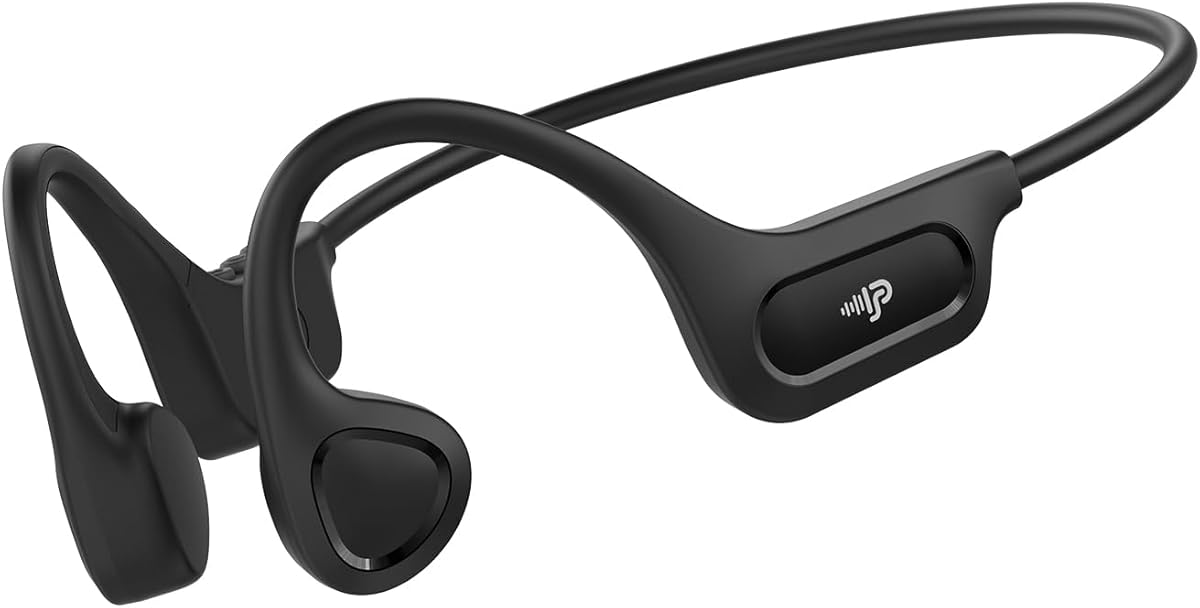
The PSIER model represents a specific approach to open-ear audio, prioritizing situational awareness and comfort for active users. Unlike traditional earbuds, bone conduction technology transmits sound through your cheekbones, leaving your ear canals completely open—a critical feature for runners, cyclists, and gym-goers who need to hear ambient noise.
Key Considerations Before Buying
- Sound quality expectations differ fundamentally from in-ear headphones; bass response is naturally less pronounced, and audio clarity can be affected by how tightly the transducers press against your temples.
- The 23g lightweight design and neckband form factor are engineered for stability during high-movement activities, but fit is highly individual—some users report slippage during intense sweating.
- IPX5 waterproofing indicates protection against sustained, low-pressure water jets, making these suitable for sweat and rain but not for submersion during swimming.
What Our Analysts Recommend
For bone conduction headphones, examine the hinge and frame material where the transducers meet the neckband—this is a common failure point. Genuine reviews often mention specific scenarios like hearing traffic while running or conversing without removing headphones, which validate the open-ear functionality.
Open-Ear Headphones Market Context
Market Overview
The bone conduction market has matured beyond early-adopter novelty, with brands now competing on comfort refinements, Bluetooth stability, and battery life. The '2026 Upgrade' branding on this PSIER model suggests iterative improvements, though consumers should verify if this refers to hardware or marketing.
Common Issues
Users frequently report audio leakage in quiet environments and fit challenges with glasses or hats. Sound quality can diminish in noisy outdoor settings, as ambient noise competes with the vibration-based audio transmission.
Quality Indicators
Look for mentions of consistent Bluetooth 6.0 connectivity (fewer dropouts), battery life that matches the claimed 10 hours under real-use conditions, and microphone clarity for calls in moderate wind—all pain points in earlier bone conduction generations.
Review Authenticity Insights
Grade B Interpretation
A Grade B with 11% estimated fake reviews indicates a generally trustworthy review pool, but suggests some incentivized or biased feedback may be present. The adjusted rating of 4.60/5 (down from 4.89) reflects this slight inflation.
Trust Recommendation
Focus on reviews that detail specific use cases like 'using while cycling on busy streets' or 'wearing for a full 8-hour workday,' as these demonstrate actual product testing. Be slightly skeptical of reviews that only praise generic features without context.
Tips for Reading Reviews
Search for reviews mentioning 'After 3 months of use...' to assess durability, and pay particular attention to critical 3- and 4-star reviews—they often provide the most balanced insights about comfort trade-offs and sound limitations specific to bone conduction.
Expert Perspective
The PSIER headphones present a compelling option for safety-conscious athletes, with their genuine 4.60/5 adjusted rating reflecting strong user satisfaction. The 23g weight and IPX5 rating align well with running and gym use cases. However, the bone conduction technology inherently involves audio compromises—these aren't for audiophiles seeking immersive bass. The high authentic review percentage suggests the reported 10-hour battery life and Bluetooth 6.0 stability are likely accurate for most users.
Purchase Considerations
Prioritize these if situational awareness is non-negotiable for your workouts or commute. Consider alternatives if you primarily listen in quiet environments or prioritize rich audio quality over environmental awareness. The open-ear design makes these ideal for people who experience ear fatigue from traditional earbuds.
Comparing Alternatives
Compare with Shokz OpenRun for premium build quality or Vidonn F1 for budget options, as bone conduction performance varies significantly by brand.


