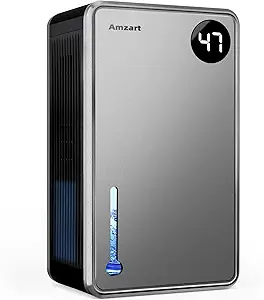
Midea Cube 50 Pint Dehumidifier: Key Buying Insights for Large Spaces
When shopping for a dehumidifier like the Midea Cube 50 Pint, which claims to cover up to 4,500 sq. ft., it's crucial to understand that capacity ratings are often based on ideal conditions. For basements or large rooms, you'll need to consider real-world factors like humidity levels and temperature, as these can significantly impact performance. This guide highlights what to look for in a high-capacity unit with a built-in pump and smart features.
Key Considerations Before Buying
- Coverage vs. Reality: The Midea Cube is rated for 4,500 sq. ft., but this likely assumes a standard humidity level (e.g., 60% RH) and consistent temperatures. In damp basements or South Florida apartments, as mentioned in reviews, actual coverage may be lower, so aim for a unit with a higher pint capacity than your space technically requires.
- Built-in Pump Utility: The included pump allows for continuous drainage upward or to a sink, which is a game-changer for basements without floor drains. However, ensure the pump's lift height (often 10-16 feet) matches your setup, as some users report issues with hose connections or pump noise.
- Smart Control and Compatibility: Alexa compatibility and app control are convenient for adjusting settings remotely, but check if the features require a stable Wi-Fi connection and if the app is user-friendly. Some smart dehumidifiers have connectivity glitches, so read recent reviews for real-world reliability.
What Our Analysts Recommend
Quality indicators for a dehumidifier like this include a robust compressor (often rotary or reciprocating), a reliable humidistat for accurate readings, and easy-to-clean filters. Look for energy efficiency (Energy Star rating) and consistent drainage options—hose included is a plus, but check if it's the right diameter and length for your space. Also, verify the noise level in decibels, as units over 50 pints can be loud.
Dehumidifiers Market Context
Market Overview
The dehumidifier market has expanded with larger capacity units for whole-home or basement use, often integrating smart features like Wi-Fi and voice control. Brands like Midea, Frigidaire, and hOmeLabs compete on pint capacity, coverage claims, and added conveniences such as built-in pumps. However, consumer reports indicate that coverage ratings are sometimes inflated, with real-world performance varying based on humidity levels and room layout.
Common Issues
Common problems in this category include inaccurate humidistats, where the unit runs less efficiently than expected, and pump failures in models with built-in pumps. Some users also report that units are noisier than advertised, especially at higher fan speeds, and that water tank capacity is too small for continuous operation without drainage. Additionally, smart features may suffer from connectivity issues or limited app functionality.
Quality Indicators
High-quality dehumidifiers typically feature a durable compressor, a clear and responsive control panel, and a well-sealed water tank or drainage system. Look for Energy Star certification for efficiency, a warranty of at least 1-2 years, and positive reviews that mention consistent humidity removal over time. Units with washable filters and easy-access drain ports also indicate thoughtful design.
Review Authenticity Insights
Grade B Interpretation
The Grade B and 15.00% estimated fake review rate indicate that while most feedback is genuine, a notable portion may be unreliable. This suggests that the product's 3.00-star rating (adjusted to 2.80) is largely authentic but could be slightly skewed by a few incentivized or fake reviews. Buyers should focus on detailed, verified purchase reviews for accurate insights.
Trust Recommendation
Given the moderate fake review percentage, cross-reference the Midea Cube's reviews with independent sources like consumer forums or YouTube tests. Pay special attention to reviews that mention specific usage scenarios (e.g., basements, high humidity) and those that discuss both pros and cons. This will help you filter out overly positive or vague feedback.
Tips for Reading Reviews
For dehumidifiers, prioritize reviews that describe performance in conditions similar to yours—e.g., humidity levels, room size, and temperature. Look for comments on noise, drainage reliability, and ease of setup. Be wary of reviews that lack specifics or use generic language, as they may be less trustworthy. Also, check the date of reviews to ensure they reflect the current model.
Expert Perspective
The Midea Cube 50 Pint Dehumidifier presents a mixed picture: its built-in pump and smart features are appealing for basement use, but the adjusted rating of 2.80 out of 5, based on 29 reviews with a 15% fake rate, suggests inconsistent user satisfaction. The coverage claim of 4,500 sq. ft. may be optimistic in real-world conditions, especially in humid climates. While the unit offers convenience, potential buyers should be cautious about its performance reliability, as some reviews highlight issues with humidity control and noise.
Purchase Considerations
If you need a dehumidifier for a large, damp basement and value the built-in pump for continuous drainage, the Midea Cube is worth considering—but only if you can verify its performance in your specific environment. Weigh the convenience of smart controls against the risk of connectivity issues, and budget for potential return shipping if it doesn't meet expectations. Given the moderate rating, this unit may be better suited for users who prioritize features over proven reliability.
Comparing Alternatives
Shoppers should compare the Midea Cube with similarly priced models from Frigidaire or hOmeLabs, which often have more reviews and higher ratings. Look for units with proven track records in large spaces and check for Energy Star certification to ensure efficiency.