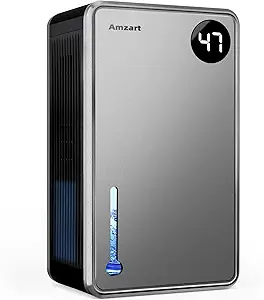
Midea Cube 50-Pint Dehumidifier: Smart Basement Moisture Control with Caveats
When tackling basement humidity in spaces up to 4,500 square feet, the Midea Cube 50 Pint offers a compelling mix of smart features and a large water tank. However, with a modest 3.22-star average from 200 reviews, it's clear that performance nuances matter. Understanding sensor accuracy, drainage options, and noise levels will help you decide if this Wi-Fi-enabled unit fits your moisture management needs.
Key Considerations Before Buying
- Sensor accuracy is critical: Many user reviews highlight that the built-in hygrometer can be off by several percentage points, affecting when the unit kicks on and off. If you need precise humidity control, consider a separate hygrometer to monitor actual conditions.
- Drainage flexibility: The included drain hose is a major plus for continuous operation, but ensure it's properly routed to a floor drain or sump pump. The large water tank is convenient, yet relying solely on it means frequent emptying in very damp conditions.
- Smart features: Wi-Fi and Alexa integration allow remote monitoring and scheduling, which is great for vacation or hard-to-reach basements. However, connectivity issues can arise, so check that your Wi-Fi signal is strong where you plan to place the unit.
What Our Analysts Recommend
For a dehumidifier in this class, verify the rated capacity (50 pints per day at standard conditions) and its Energy Star certification, which indicates efficiency. Also, examine the noise level rating—typically around 45-50 dB for quiet operation—and assess the build quality of the water tank and hose connections, as these are common failure points. Finally, confirm the unit's operating temperature range, as many dehumidifiers struggle below 60°F, which is common in basements.
Dehumidifiers Market Context
Market Overview
The dehumidifier market has evolved from basic, noisy appliances to smart, connected devices with app controls and voice assistant compatibility. Manufacturers are competing on energy efficiency, quieter operation, and larger coverage areas, with 50-pint models being a popular sweet spot for whole-basement moisture control.
Common Issues
Across the category, users frequently report humidity sensor inaccuracies, which lead to inefficient cycling and energy waste. Other recurring complaints include water tank leakage, hose connection problems, and reduced performance in colder temperatures. Additionally, while many units now offer smart features, connectivity glitches are not uncommon.
Quality Indicators
Look for dehumidifiers with a proven track record in user reviews, particularly those that mention consistent humidity readings and reliable auto-restart after power outages. Energy Star certification is a strong indicator of efficiency, and a robust warranty (typically 1-2 years) signals manufacturer confidence. Also, consider models with a built-in pump for vertical drainage, which adds versatility and convenience.
Review Authenticity Insights
Grade B Interpretation
The Grade B and estimated 10% fake review rate suggest that while most of the 200 reviews are genuine, a small portion may be incentivized or fabricated. This skews the overall rating slightly, but the adjusted 3.10-star rating indicates the product still has significant user-reported issues. Buyers should weigh the negative feedback heavily, as it often highlights real-world limitations.
Trust Recommendation
Given the moderate authenticity grade, focus on detailed negative reviews to identify consistent problems, such as sensor inaccuracies or drainage issues. Also, look for verified purchase badges and reviews that describe specific usage scenarios—these are more likely to be trustworthy. Consider waiting for a newer revision if many complaints point to a common defect.
Tips for Reading Reviews
When reading reviews for this dehumidifier, pay attention to the date and whether the reviewer mentions the unit's firmware or app updates, as these can affect smart features. Also, note if the reviewer used the drain hose or relied on the tank, since experiences differ. Filter by 'Most Recent' to see if issues have been resolved in newer batches, and cross-reference with YouTube video reviews for visual confirmation.
Expert Perspective
The Midea Cube 50 Pint dehumidifier offers a solid feature set—large capacity, smart connectivity, and Energy Star efficiency—that appeals to tech-savvy homeowners. However, the sub-3.2-star rating and consistent complaints about humidity sensor accuracy and reliability suggest that it may not deliver the precise, worry-free operation expected at this price point. It's a capable unit for basic dehumidification, but you may need to invest in a separate hygrometer and be prepared for occasional maintenance.
Purchase Considerations
Before purchasing, measure your basement's actual humidity levels and consider whether you need precise control or just general moisture reduction. If you prioritize smart integration and remote monitoring, this unit is a good fit, but if you value consistent performance over connectivity, you might find better reliability in simpler models. Also, factor in the cost of a potential sensor calibration or replacement if accuracy becomes an issue.
Comparing Alternatives
Shoppers should compare this Midea model with other 50-pint dehumidifiers from brands like Frigidaire, hOmeLabs, and GE, which often have higher user ratings and proven sensor accuracy. Reading comparative reviews can help you decide if the smart features are worth the potential trade-offs in performance.