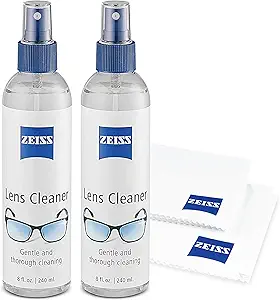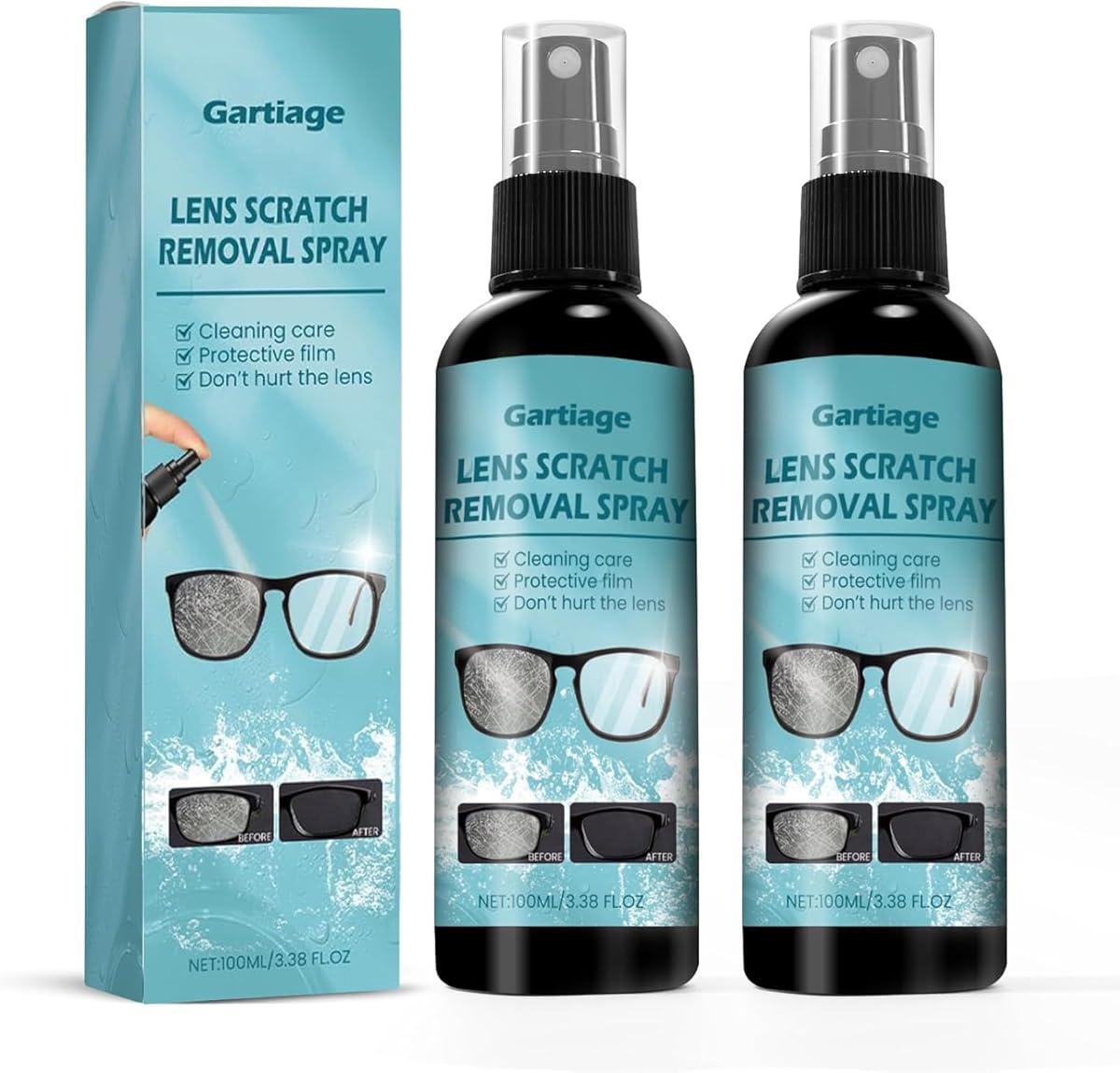
Scratch Remover Kits: What Works, What Doesn't, and What to Expect
This two-part eyeglass cleaning kit combines a scratch remover compound with a cleaning spray, targeting both lens restoration and maintenance. Buyers should understand that scratch removal effectiveness varies dramatically based on scratch depth and lens coating type, making this a specialized solution rather than a universal fix.
Key Considerations Before Buying
- Scratch depth determines success: This product works best on superficial surface scratches, not deep gouges that penetrate the lens material.
- Coating compatibility matters: Polycarbonate and anti-reflective coatings may react unpredictably to abrasive compounds, potentially causing clouding or further damage.
- Application technique is critical: Proper buffing pressure and circular motion significantly impact results, requiring patience and careful execution.
What Our Analysts Recommend
Quality scratch removers should specify compatible lens materials and include clear application instructions. The accompanying spray should be alcohol-free to preserve lens coatings, and microfiber cloths should be lint-free to avoid additional scratching during the polishing process.
Cleaning Fluids Market Context
Market Overview
The eyeglass scratch remover market is crowded with products making ambitious claims, creating confusion about realistic outcomes. These kits typically combine mild abrasives with cleaning solutions, but efficacy varies widely between brands and formulations.
Common Issues
Users frequently report inconsistent results, with some scratches improving while others remain unchanged. A common complaint involves products damaging anti-reflective coatings or creating hazy patches where the compound wasn't fully removed.
Quality Indicators
Look for products that transparently list ingredients, specify compatible lens types, and include multiple application tools. Quality kits provide separate cloths for application and buffing to prevent cross-contamination that can reduce effectiveness.
Review Authenticity Insights
Grade B Interpretation
A Grade B authenticity rating with 15% estimated fake reviews indicates mostly genuine feedback but suggests some manipulation. The adjusted rating dropping from 3.78 to 3.50 when excluding suspicious reviews reveals that inflated positive reviews slightly distorted the initial score.
Trust Recommendation
Focus on detailed reviews that describe specific scratch types and application methods rather than vague praise. The authenticity data suggests moderate confidence in the overall feedback, but verify claims by comparing multiple experiences.
Tips for Reading Reviews
Prioritize reviews that mention the type of glasses (prescription, sunglasses, material) and scratch characteristics. Look for before/after descriptions and photos, and be skeptical of reviews claiming miraculous results on deep scratches.
Expert Perspective
This product's 3.50 adjusted rating reflects the polarized reality of scratch removers: they work exceptionally well for some users and disappoint others. The authenticity analysis confirms genuine disagreement about effectiveness rather than manufactured consensus. The two-part kit approach addresses both scratch correction and ongoing maintenance, but success depends heavily on proper expectations and application technique. The mixed reviews accurately represent the category's inherent variability.
Purchase Considerations
Consider your specific situation: Are your scratches truly superficial? Do you have coated lenses that might be sensitive? Are you willing to invest time in proper application? This product represents a cost-effective alternative to professional polishing for minor imperfections.
Comparing Alternatives
Compare this kit's formulation and included tools against competitors, particularly noting differences in abrasive compounds and cleaning solution ingredients.