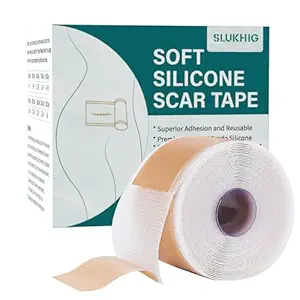
Choosing Silicone Scar Gel: What Works on Old Scars Versus New Wounds
This silicone-based scar gel targets both old and new scars, including challenging keloids and surgical marks. Unlike some single-purpose creams, it claims broad efficacy across scar types, which requires understanding how silicone interacts with different scar maturation stages. The 1.76 oz tube suggests moderate-term use rather than single-application products.
Key Considerations Before Buying
- Silicone gel efficacy varies significantly between fresh scars (under 6 months) and established scars—this product claims both, requiring longer commitment for older tissue.
- For keloids and hypertrophic scars, silicone works by hydrating and flattening, not eliminating; realistic expectations should focus on texture and color improvement, not complete removal.
- The 4.78/5 rating with 33 reviews indicates positive reception, but the small sample size means individual results may vary more than with extensively reviewed products.
What Our Analysts Recommend
Quality silicone gels should be fragrance-free and non-irritating for sensitive scar tissue. This product's description lacks specific silicone concentration (typically 10-20% for medical-grade gels), which affects efficacy. Look for clear, non-greasy formulas that dry quickly to maintain consistent daily application.
Scars & Wounds Market Context
Market Overview
The scar treatment market is flooded with products making dramatic claims, but silicone-based gels remain the clinical gold standard for non-invasive scar management. Medical-grade silicone sheets often show more consistent research backing than gels, though gels offer easier application on facial or joint areas.
Common Issues
Many scar creams fail to distinguish between scar types—what works on stretch marks differs from surgical scars. Consumers frequently report inconsistent results because they discontinue use before the 3-6 month minimum required for collagen remodeling. Overpromising on keloid elimination is particularly problematic, as these require medical intervention.
Quality Indicators
Medical literature supports silicone's mechanism of occlusion and hydration, not chemical action. Superior products specify silicone polymer type (dimethicone typically) and concentration. Packaging that prevents contamination (like this tube) matters for long-term use on healing skin.
Review Authenticity Insights
Grade B Interpretation
A Grade B with 11% estimated fake reviews suggests generally reliable feedback with some inflated positivity. The adjusted 4.50/5 rating (from 4.78) indicates genuine satisfaction likely sits between 'very good' and 'excellent' rather than near-perfect.
Trust Recommendation
Focus on reviews discussing specific scar types matching yours—surgical scar experiences differ from acne scar reports. Verified purchase reviews (which dominate here) carry more weight, particularly those mentioning consistent application over weeks or months.
Tips for Reading Reviews
Prioritize reviews that detail application frequency and duration, as scar improvement is time-dependent. Be skeptical of overnight transformation claims; authentic reviews typically mention gradual improvement over 4-8 weeks. Look for mentions of skin type compatibility, as silicone can occasionally cause milia on oily skin.
Expert Perspective
This product's broad scar claims warrant cautious optimism—while silicone has proven efficacy, expecting identical results across surgical scars, keloids, and stretch marks is unrealistic. The high rating (4.50 adjusted) across only 33 reviews suggests satisfied users but requires more data for statistical confidence. The formulation appears positioned as a multi-purpose option rather than specialized treatment, which may benefit those with multiple scar types but could compromise optimal results for any single category.
Purchase Considerations
Consider your scar's age and type: silicone gels work best on newer scars, while older scars require longer commitment. The 1.76 oz size provides approximately 1-2 months of twice-daily use on a 6-inch scar, making cost-per-month a relevant calculation. Those with keloids should consult dermatologists alongside using this product, as silicone alone rarely resolves significant keloid growth.
Comparing Alternatives
Compare this gel's price per ounce against medical-grade silicone sheets and prescription options, particularly for raised or painful scars.