Evaluating Titanium-Coated Cutting Boards: Performance Beyond Traditional Materials
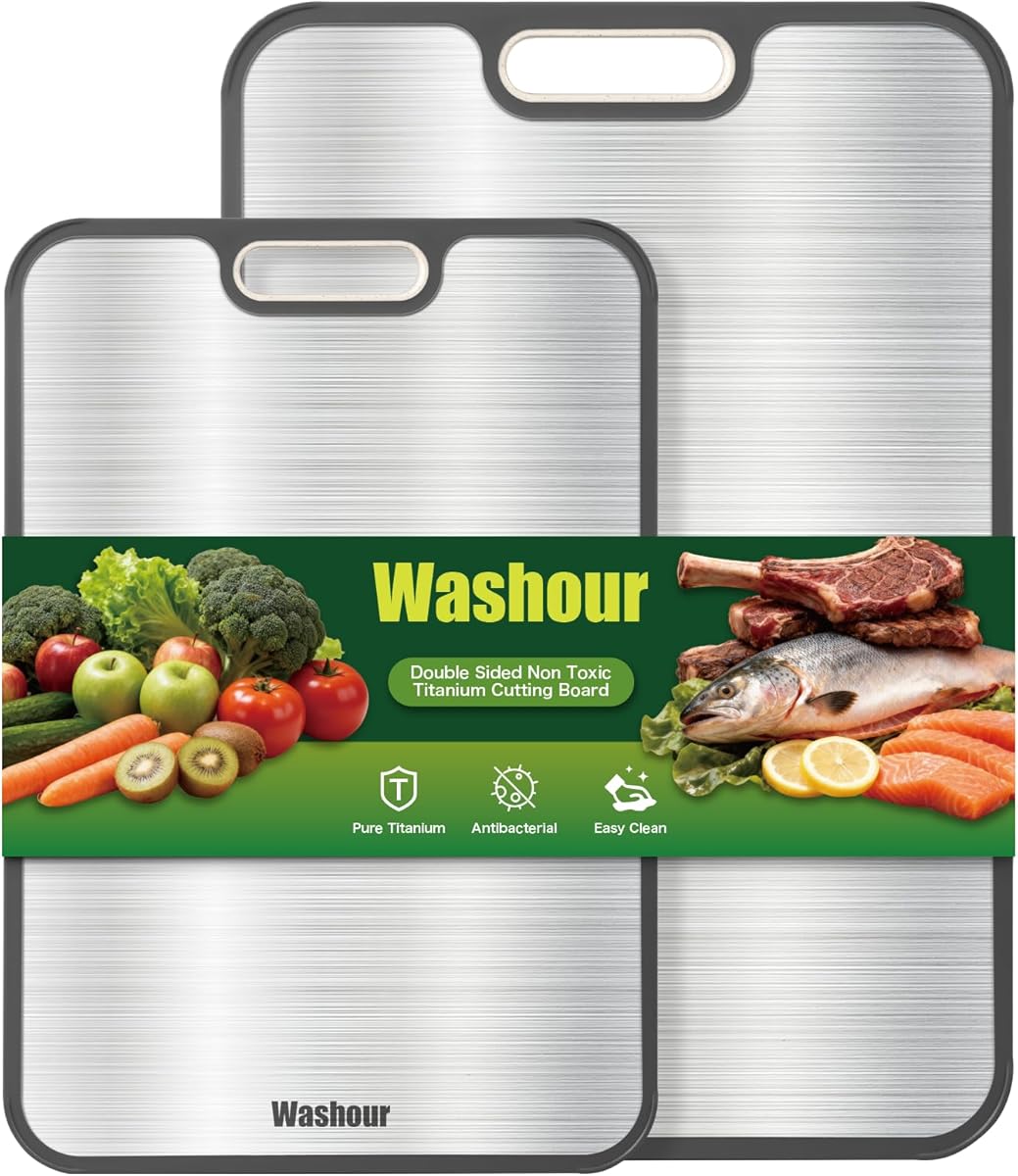
When considering titanium-coated cutting boards like this 2-in-1 set, buyers should understand these aren't solid titanium but feature a titanium-infused polymer coating over a polypropylene core. This specific product combines two distinct sizes (18”×16” and 16”×11”) with a non-porous surface that claims to resist knife marks and bacterial growth differently than wood or bamboo alternatives.
Key Considerations Before Buying
- The double-sided design with distinct color zones (typically one side for meats, another for produce) requires understanding proper food safety rotation to prevent cross-contamination despite the non-porous surface.
- Titanium coatings affect knife interaction—some users report reduced sharpening frequency while others note a different cutting feel compared to traditional end-grain wood or rubber boards.
- The large size combination (18”×16” plus 16”×11”) offers workspace flexibility but demands substantial storage space and may not fit standard dishwasher racks despite claims of dishwasher safety.
What Our Analysts Recommend
Quality indicators include consistent coating thickness without bubbling or peeling at edges, reinforced non-slip corners that withstand repeated washing, and clear, permanent labeling of food zones. Superior titanium-coated boards maintain surface integrity despite repeated exposure to acidic foods like tomatoes or citrus that can degrade some polymer surfaces.
Cutting Mats Market Context
Market Overview
The cutting board market has expanded beyond traditional materials to include titanium-coated options that promise durability and hygiene advantages. These hybrid products compete directly with premium bamboo, antimicrobial plastic, and composite boards, often at mid-range price points between basic plastic and artisan wood boards.
Common Issues
Consumers frequently report warping with large plastic-based boards after dishwasher cycles, surface scratching that traps stains despite 'non-scratch' claims, and corner lifting where non-slip pads detach. Titanium-coated boards specifically face questions about coating longevity and whether they truly resist deep knife grooves better than standard polyethylene.
Quality Indicators
Look for boards with substantial thickness (at least 0.5 inches) to prevent flexing, integrated juice grooves that don't compromise structural integrity, and manufacturer transparency about coating composition. High-quality versions use food-grade titanium dioxide or titanium alloy particles suspended in durable polymer rather than superficial metallic paint.
Review Authenticity Insights
Grade B Interpretation
The Grade B authenticity rating with 11% estimated fake reviews suggests generally reliable feedback but warrants careful review scrutiny. For this titanium cutting board set, this means approximately 1 in 9 reviews may be artificially positive, potentially exaggerating durability or non-scratch claims.
Trust Recommendation
Focus on verified purchase reviews that mention specific use cases like 'used daily for six months' or compare performance against other board types. The adjusted 4.50/5 rating (down from 4.78/5) after removing suspicious reviews still indicates strong satisfaction but suggests tempering expectations about perfection.
Tips for Reading Reviews
Prioritize reviews discussing long-term coating integrity, actual dishwasher performance over multiple cycles, and specific food preparation scenarios. Be skeptical of reviews using identical phrasing about 'never scratching' or those that don't mention any minor drawbacks alongside praise.
Expert Perspective
This titanium-coated 2-in-1 set presents a compelling option for cooks seeking low-maintenance, hygienic surfaces with built-in food separation. The high adjusted rating (4.50/5) from authentic reviews suggests most users appreciate the combination of large work surfaces and easy cleaning. However, the authenticity grade B indicates some review manipulation exists, primarily around durability claims. The dual-size approach is genuinely useful for simultaneous meat and vegetable prep, though storage demands are substantial.
Purchase Considerations
Weigh whether the titanium coating's potential knife-edge preservation justifies the premium over standard plastic boards, and consider your dishwasher habits—while marketed as dishwasher safe, large boards may warp over time. The non-porous surface truly simplifies sanitizing but may feel less forgiving on knife edges than slightly yielding materials like rubber.
Comparing Alternatives
Shoppers should compare with commercial-grade polypropylene boards for pure durability and end-grain wood for knife care, as titanium-coated options occupy a specific middle ground.