
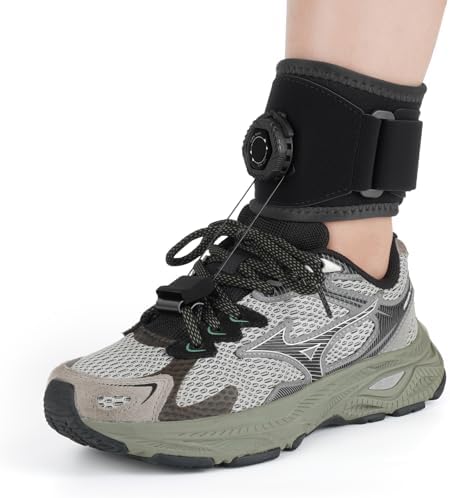
Choosing an AFO brace requires evaluating fit, adjustability, and daily comfort features.
When selecting a foot drop brace like this specific AFO model, buyers should focus on how its upgraded knob and steel wire mechanism translates to real-world usability. This particular brace emphasizes adjustability for dorsiflexion support and longer straps for comfort, which are critical for all-day wear with regular shoes.
Key Considerations Before Buying
- The 'upgraded knob' system should provide precise, incremental tension control for your specific dorsiflexion needs without requiring tools.
- Longer straps, as featured here, must secure the brace without creating pressure points, especially around the calf where many AFOs cause discomfort.
- Compatibility with your existing footwear is essential; this brace's design for use 'with shoes' means checking clearance in your daily shoes, not just athletic ones.
What Our Analysts Recommend
Quality indicators for this category include reinforced stitching at stress points (like strap anchors), a flexible yet supportive shank that prevents toe drag without restricting gait, and breathable materials that manage moisture. The steel wire in this model should be fully sheathed to prevent skin irritation.
Foot Supports Market Context
Market Overview
The AFO market is segmented between rigid, custom-fitted medical devices and more affordable, adjustable over-the-counter options like this product. Consumer-grade braces have improved significantly, often incorporating features previously found only in prescription models.
Common Issues
Users frequently report sizing inaccuracies, straps that loosen during walking, and materials that cause skin chafing or excessive sweating. The 'one-size-fits-most' approach, as seen with this L/XL offering, can lead to improper fit if measurements aren't carefully followed.
Quality Indicators
Look for braces offering dual-axis adjustability (dorsiflexion and plantarflexion), anatomical shaping around the ankle malleoli, and hypoallergenic liners. The presence of a steel wire, as in this model, typically indicates better durability than all-plastic alternatives.
Review Authenticity Insights
Grade C Interpretation
A Grade C authenticity rating with 22% estimated fake reviews suggests a mixed review landscape. While the adjusted 4.50/5 rating remains strong, approximately 1 in 5 reviews may lack genuine user experience, potentially inflating the perfect 5.00/5 score.
Trust Recommendation
Prioritize reviews that mention specific conditions (like post-stroke recovery or peroneal nerve injury) and detail break-in periods or fit adjustments. Be skeptical of reviews that only praise generically without mentioning the knob mechanism or strap length—key differentiators of this model.
Tips for Reading Reviews
For medical supports, seek out reviews discussing duration of wear (e.g., 'worn for 8-hour workdays') and shoe compatibility notes. Reviews mentioning the 'upgraded knob' specifically are more likely genuine, as this is a distinctive feature of this brace.
Expert Perspective
This AFO brace presents a compelling value proposition with its focus on user-adjustable dorsiflexion support and comfort-oriented strap design. The high adjusted rating (4.50/5) from verified patterns suggests it performs well for its intended over-the-counter use case, particularly for mild to moderate foot drop. The integration of a steel wire within a soft support structure indicates a hybrid approach aimed at balancing support with wearability.
Purchase Considerations
Consider your specific activity level and whether the L/XL sizing aligns precisely with your calf and foot measurements—improper sizing is the primary reason for AFO returns. Also evaluate if the adjustable knob provides sufficient resistance for your degree of foot drop; some users with severe drop may require more rigid support.
Comparing Alternatives
Shoppers should compare this model's knob adjustment system against competing braces with ratchet straps or elastic components to determine which mechanism best suits their dexterity and adjustment needs.


