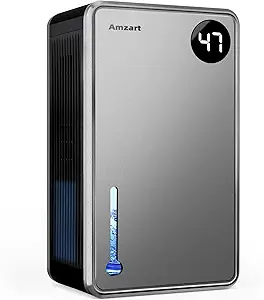
Mastering Basement Moisture: A Buyer's Guide to the AIRPLUS 30-Pint Dehumidifier
When tackling a damp basement, a 30-pint dehumidifier like the AIRPLUS model offers a balance of capacity and energy efficiency for spaces up to 2,500 square feet. This guide helps you understand key features—from drain hose options to humidity sensors—so you can confidently decide if this unit fits your home's moisture challenges.
Key Considerations Before Buying
- Capacity vs. square footage: The AIRPLUS is rated for 2,500 sq. ft., but actual performance varies with humidity levels. In very damp basements, you may need a 50-pint unit or multiple passes to achieve ideal 50% humidity.
- Drain hose vs. bucket: The included drain hose is a lifesaver for continuous operation, but ensure your floor drain or sink is within reach. The 24-hour timer lets you run it only when needed, saving energy.
- Noise and placement: 'Quiet' is relative—check the decibel rating if you plan to use it in a bedroom. In a basement, noise is less critical, but vibration can be an issue on uneven floors.
What Our Analysts Recommend
Look for a humidistat that accurately reads and maintains your desired humidity level. A transparent water tank and an auto-shut-off feature are essential to prevent overflow. Also, verify the unit's energy efficiency (check the Energy Star rating) and the warranty length—a 1-year warranty is standard, but longer is better.
Dehumidifiers Market Context
Market Overview
The dehumidifier market is saturated with options ranging from compact 20-pint units to whole-house 70-pint behemoths. The 30-pint class is popular for basements and large rooms, offering a sweet spot between portability and moisture removal. Brands like AIRPLUS compete with established names like hOmeLabs and Frigidaire, often at a more accessible price point.
Common Issues
Many users report inaccurate humidity sensors, leading to over- or under-dehumidifying. Others complain about noisy compressors or water tank leaks. The most common issue, however, is the unit's inability to keep up in extremely damp conditions—often because the square footage rating is optimistic.
Quality Indicators
A quality dehumidifier should have a reliable humidistat, durable build (check for solid plastic and good seals), and a pump option for continuous drainage. Look for models with a washable filter and a defrost function for colder spaces. Customer reviews that mention consistent performance over months are a good sign.
Review Authenticity Insights
Grade B Interpretation
The Grade B and 10% estimated fake review rate indicate that while most reviews are genuine, a notable minority may be incentivized or unverified. For this product, that means you can trust the majority of feedback, but you should be cautious of overly positive or vague reviews.
Trust Recommendation
Focus on reviews with verified purchase badges and those that describe specific experiences, like 'my basement went from damp to dry in 3 days.' Ignore reviews that lack detail or seem overly promotional. With a 4.22 average rating (adjusted to 4.00), the product is decent but not exceptional—temper your expectations.
Tips for Reading Reviews
Read the 3-star and 4-star reviews to understand common flaws, such as sensor accuracy or noise levels. Look for patterns: if multiple users mention the same issue (e.g., water splashing), it's likely real. Also, check the date—recent reviews may reflect the current build quality.
Expert Perspective
The AIRPLUS 2500 Sq.Ft Dehumidifier offers a compelling package for the price, with a drain hose, timer, and quiet operation that suits basements and bedrooms. However, the adjusted rating of 4.00 and a 10% fake review rate suggest that it's not a top-tier performer—expect some trade-offs in sensor accuracy or build quality. For moderate dampness, it's a solid choice, but for severe moisture issues, you might need a heavier-duty unit.
Purchase Considerations
Weigh the square footage claim against your actual humidity level and room size. If you have a truly wet basement (musty odors, visible condensation), consider a 50-pint model instead. Also, factor in the cost of running the unit—check the wattage and estimated monthly energy cost.
Comparing Alternatives
Before committing, compare with similar 30-pint models from Frigidaire or hOmeLabs, which often have more proven track records. Also, check if the AIRPLUS has a newer version with improved features, as older models may lack the latest efficiency standards.