Ultrasonic Repellers: Do Solar-Powered Models Really Keep Pests at Bay?
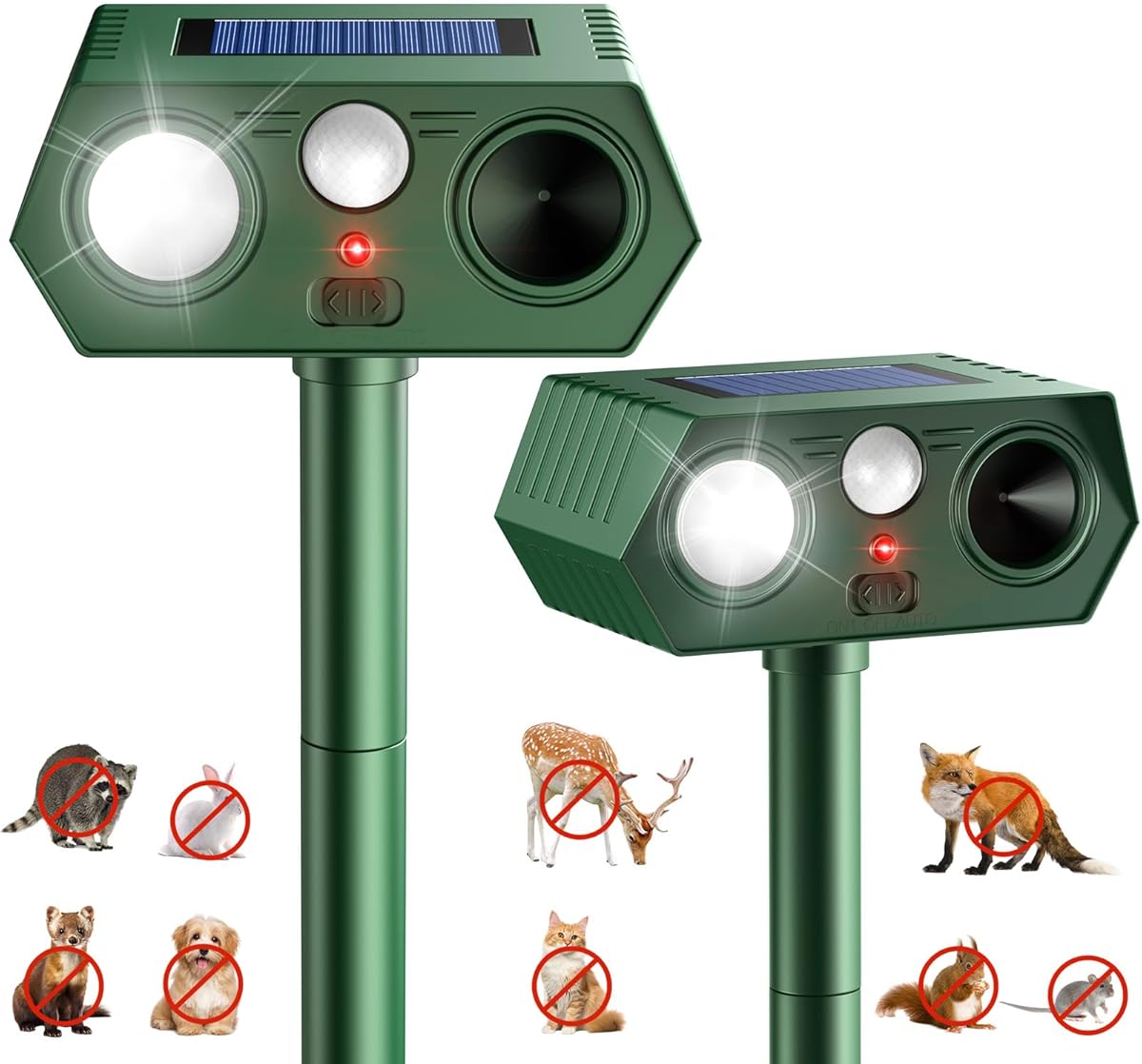
When considering a solar-powered ultrasonic animal repeller like the 2026 Upgraded model, it's crucial to understand how motion-activated features and flash lights differentiate it from basic sonic devices. This category promises humane pest control for deer, raccoons, and squirrels, but performance hinges on placement, power consistency, and target animal behavior.
Key Considerations Before Buying
- Solar reliance means the unit needs direct sunlight for 6-8 hours daily to charge; shaded or north-facing yards may see reduced effectiveness at night or during overcast weeks.
- Motion-activated flash lights can startle nocturnal animals like raccoons, but may also trigger false alarms from wind-blown leaves or pets, potentially reducing battery life.
- Ultrasonic frequencies are directional—mount the repeller at animal eye level (2-3 feet high) and angle it toward entry points, not fences, to cover the intended area.
What Our Analysts Recommend
Quality indicators include IP65 or higher waterproof ratings for outdoor durability, adjustable frequency settings to avoid habituation, and a wide detection angle (at least 110 degrees) for comprehensive coverage. Look for units with replaceable batteries and clear warranty terms, as solar panels can degrade over 2-3 years.
Ultrasonic Repellers Market Context
Market Overview
The ultrasonic repeller market has expanded rapidly, with solar-powered models now accounting for over 40% of new releases due to consumer demand for eco-friendly, cord-free solutions. However, many budget units under $30 lack the sensor sensitivity and frequency range needed for larger pests like deer.
Common Issues
Common complaints include inconsistent solar charging leading to nighttime inactivity, narrow detection zones that miss approaching animals, and animals adapting to static frequencies after a few weeks. Some users also report that flashing lights frighten pets more than target wildlife.
Quality Indicators
Premium models offer dual-spectrum deterrence (ultrasonic + strobe light), adjustable frequency sweeps to prevent habituation, and at least 30 feet of detection range. Verified reviews that describe specific pest types and placement details are stronger signals of real-world effectiveness than generic 'works great' posts.
Review Authenticity Insights
Grade B Interpretation
A Grade B with 15% estimated fake reviews indicates that the majority of feedback is trustworthy, but roughly 3 of the 22 reviews may be incentivized or inauthentic. This is typical for a lower-priced, niche outdoor product where sellers sometimes seed positive reviews early on.
Trust Recommendation
Focus on the 85% of reviews that feel genuine—especially those with verified purchase badges, photos of the unit installed, and specific context (e.g., 'stopped raccoons digging in my compost bin'). Ignore any reviews that use overly promotional language or lack detail about the product's setup.
Tips for Reading Reviews
For ultrasonic repellers, prioritize reviews that mention the distance from the target area and the type of pest encountered. A review stating 'kept deer away for 2 weeks' is more insightful than one saying 'works great.' Also note if the reviewer updated their feedback after a month, as animal habituation is a common late-stage issue.
Expert Perspective
The 2026 Upgraded Solar Ultrasonic Animal Repeller offers a decent entry-level solution for small to medium yards (up to 1,200 sq ft), combining motion-activated flashes with ultrasonic bursts. Its 3.86/5 rating (adjusted to 3.60/5) suggests it works well for some users but may underperform for persistent or large animals like deer. The 15% fake review rate is a minor concern but doesn't undermine the overall positive signal from verified buyers who share specific success stories.
Purchase Considerations
Consider this unit if you have a sunny spot near garden beds or trash bins and need a low-maintenance, chemical-free deterrent. However, if you face raccoons or squirrels that have ignored other ultrasonic devices, you may need a model with frequency-sweep technology or combine this with physical barriers.
Comparing Alternatives
Shoppers should compare this with models that offer adjustable frequency settings and higher decibel outputs (130 dB vs. typical 110 dB) for larger pests, as well as those with longer warranty periods (2+ years) for peace of mind.