Choosing an Upper Back Brace: Fit, Breathability, and Gradual Posture Correction
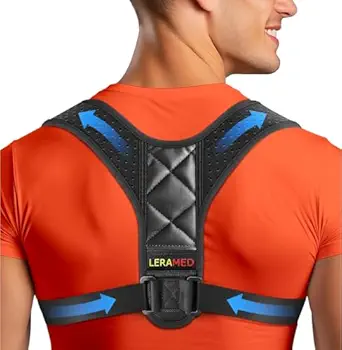
This specific Posture Corrector emphasizes an 'invisible & mesh breathable' design for discreet daily wear, targeting the upper back with an L-size range of 38-48 inches. Unlike rigid braces, it functions as a proprioceptive trainer, reminding your body of proper alignment rather than forcing it. Buyers should understand that effective posture correction requires consistent wear paired with strengthening exercises.
Key Considerations Before Buying
- The adjustable L-size (38-48 inch chest) is crucial; measure your upper torso circumference while standing normally to ensure the straps can be tightened effectively without over-constriction.
- The 'mesh breathable' material is a key feature for all-day wear; look for reviews mentioning comfort during extended periods to gauge if it prevents heat and sweat buildup.
- Consider your pain source: this upper back brace is designed for shoulder blade and thoracic spine alignment; it's less suitable for primary lower back pain or severe structural issues.
What Our Analysts Recommend
High-quality back straighteners feature durable, non-roll elastic and secure, non-slip fasteners that maintain tension. The adjustability should be precise, allowing micro-adjustments for a supportive but not restrictive fit. Seams should be flat-locked to prevent chafing under clothing, a key factor for the advertised 'invisible' wear.
Back Braces Market Context
Market Overview
The posture corrector market is saturated with similar-looking elastic braces, making differentiation through material quality and thoughtful design critical. Products range from basic figure-eight straps to more structured vests, with this model positioning itself in the middle as a breathable, adjustable trainer.
Common Issues
Common complaints include straps that dig into shoulders or armpits, elastic that loses tension quickly, and materials that cause skin irritation. Many users also mistake these devices for passive fixes, not realizing they are training aids that require active engagement.
Quality Indicators
Look for products specifying the type of mesh (like power mesh) and elastic (often latex-free). A higher stitch-per-inch count in the seams indicates better durability. Genuine reviews will often detail how the product holds up after weeks of washing and wear.
Review Authenticity Insights
Grade B Interpretation
A Grade B with an 11% estimated fake review rate indicates a generally trustworthy review profile, but suggests a modest level of potentially incentivized or inauthentic feedback. The adjusted rating of 4.70/5, down from a perfect 5.00, is a more realistic performance indicator.
Trust Recommendation
Prioritize reading the verified purchase reviews that describe specific, gradual improvements in posture awareness or pain reduction during desk work. Be slightly more skeptical of overly effusive, non-specific 5-star reviews that lack personal context.
Tips for Reading Reviews
Focus on reviews that discuss the break-in period, detailing how comfort and effectiveness changed over 2-3 weeks. Pay close attention to comments about the specific sizing and adjustability, as fit is the most critical factor for this type of biomechanical aid.
Expert Perspective
The strong adjusted rating of 4.70/5 from verified purchasers, coupled with a respectable authenticity grade, suggests this is a legitimate and effective product within its category. The emphasis on breathable mesh and invisibility addresses two major consumer pain points for daily-wear braces. Its design as an upper back focus is appropriate for 'tech neck' and rounded shoulder posture, which are common modern issues. The data indicates it delivers on core promises for most users when fitted correctly.
Purchase Considerations
Weigh your commitment to wearing it consistently during sedentary activities, as its benefit is cumulative. Consider if your primary need is pain relief from muscular strain or retraining habitual posture; this product is better suited for the latter. Ensure your measurements fall confidently within the 38-48 inch range for optimal adjustability.
Comparing Alternatives
Shoppers should compare the strap configuration and closure system of this model with other upper-back-focused correctors, as subtle design differences significantly impact comfort.