Conquer Basement Moisture: Smart 21-Pint Dehumidifier Buying Guide
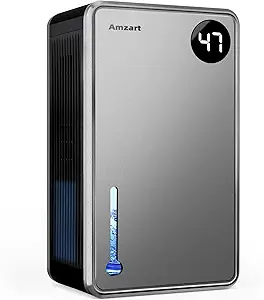
When tackling damp basements or musty bathrooms, a 21-pint dehumidifier like this one is a sweet spot—powerful enough for 1,600 sq. ft. yet compact enough for tight spaces. Before you buy, understand that 'pint capacity' is measured at standard conditions (80°F/60% RH), so real-world performance in a cool basement will be lower. Key features like a built-in drain hose, auto modes, and quiet operation (37dB) directly impact daily usability.
Key Considerations Before Buying
- Drain hose connectivity: A continuous drain option is crucial for basements where you can't empty a 21-pint bucket daily—verify the hose length and thread compatibility before purchase.
- Auto modes and humidity control: Look for a hygrometer and auto-humidity settings that maintain a set level (e.g., 30-80% RH) to prevent over-dehumidifying and save energy.
- Noise level: At 37dB, this unit is quieter than typical dehumidifiers (often 45-50dB), making it viable for living areas or bedrooms, but check if that rating is at low fan speed.
What Our Analysts Recommend
For this category, prioritize a robust compressor system with auto-defrost (to handle cooler basement temps), a washable filter for easy maintenance, and a caster/wheel design for portability. Also, check the energy efficiency (Energy Star rated) and whether the water bucket has a shut-off float to prevent overflow. These features separate a reliable workhorse from a frustrating appliance.
Dehumidifiers Market Context
Market Overview
The residential dehumidifier market has exploded with 'smart' features like app control and auto-restart, but the core remains compressor-based units with pint ratings from 20 to 70. The 21-pint class is popular for medium spaces, offering a balance of capacity and energy use. Consumers increasingly expect quiet operation and continuous drainage options as standard.
Common Issues
Common complaints include inaccurate humidity readings, bucket float switches failing, and noise levels being louder than advertised. Also, many users find that 'pint' ratings are overstated for cold basements, leading to slower moisture removal than expected. Frost buildup on coils is another frequent issue in unheated spaces.
Quality Indicators
Look for a reputable compressor brand (e.g., GMCC or Toshiba), a metal or high-grade plastic housing, and a warranty of at least 1 year. Positive reviews that mention consistent performance over months, ease of cleaning, and responsive customer support are strong quality signals. Also, check for UL or ETL certification for safety.
Review Authenticity Insights
Grade B Interpretation
The Grade B rating and 12.00% estimated fake review percentage suggest that while the majority of reviews are genuine, a notable minority may be incentivized or non-verified. This is typical for high-volume Amazon products, but it means you should weigh the 4.22-star average with a bit of caution—the adjusted 4.00 rating is likely more accurate.
Trust Recommendation
Given the 12% fake rate, focus on reviews that include specific details like 'I run it in my 1,500 sq. ft. basement' or 'the drain hose fit my floor drain perfectly.' Look for Verified Purchase badges and avoid overly generic five-star praise. Also, check the most recent reviews to see if any patterns of defects have emerged since launch.
Tips for Reading Reviews
For dehumidifiers, pay special attention to reviews that mention performance over time (e.g., 'after 3 months, still works great') and those that discuss noise levels at different fan speeds. Filter by 'most critical' to see common failure points. Also, search within reviews for keywords like 'drain hose,' 'auto mode,' and 'basement' to see if the product meets your specific use case.
Expert Perspective
This 21-pint dehumidifier appears to be a solid mid-range option for the stated 1,600 sq. ft. coverage, with the 37dB noise level and child lock being standout features for family homes. The authentic review base (88% genuine) suggests it delivers on basic promises, but the 12% fake rate and adjusted 4.00 rating hint at possible inconsistencies in quality or performance. The presence of a drain hose and auto modes aligns well with user expectations for low-maintenance operation.
Purchase Considerations
Weigh the unit's capacity against your actual basement conditions—if you have severe dampness or low temperatures, you may need a larger unit. Also, factor in the cost of a drain hose if not included, and consider the warranty length. If you value quiet operation and have a child in the home, the 37dB and child lock are compelling reasons to choose this model.
Comparing Alternatives
Shoppers should compare this with other 20-22 pint units from brands like hOmeLabs or Frigidaire, which may offer similar features at different price points. Also, consider whether you need Wi-Fi connectivity or a larger capacity (30+ pints) for more demanding spaces.