Your Heart-Healthy Kitchen Starts Here: Choosing a Low-Cholesterol Cookbook
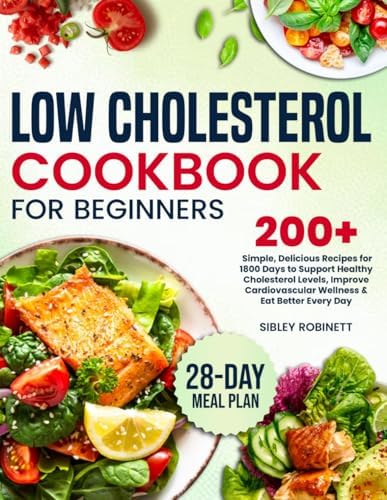
If you're newly navigating a low-cholesterol diet, a cookbook like this one, featuring over 200 recipes and a 28-day meal plan, can be your roadmap. The key is finding a book that balances nutritional science with everyday practicality, ensuring you can stick with heart-healthy eating without feeling deprived. This specific guide promises support for 1800 days of meals, suggesting a long-term approach rather than a quick fix.
Key Considerations Before Buying
- Look for a cookbook that offers clear, actionable explanations of how ingredients like oats, avocados, and fatty fish actively lower LDL cholesterol, not just recipes that are 'low-fat.' This book should help you understand the 'why' behind the ingredients.
- Assess the recipe variety: a good low-cholesterol cookbook should include more than just salads and grilled chicken. Seek out options for comfort foods, quick weeknight dinners, and even desserts that have been reimagined to be heart-healthy, as this one claims with over 200 recipes.
- Consider the inclusion of a structured meal plan, like the 28-day plan here. This is crucial for beginners who need guidance on portion control, meal prep, and building a sustainable routine, rather than just a collection of random recipes.
What Our Analysts Recommend
Quality indicators for a low-cholesterol cookbook include nutritional breakdowns per recipe (calories, saturated fat, fiber), use of whole-food ingredients, and endorsements from dietitians or cardiologists. The best guides will also provide substitution lists and tips for dining out, making the diet adaptable to real life.
Heart Healthy Market Context
Market Overview
The heart-healthy cookbook market is saturated with options, from general 'low-fat' guides to medically-focused plans for managing cholesterol. This beginner-level book stands out by promising a massive 1800-day supply of recipes, targeting users who want a long-term resource rather than a short-term program.
Common Issues
A frequent complaint in this category is that recipes are bland, overly restrictive, or require hard-to-find ingredients. Another issue is a lack of scientific grounding, where authors make health claims without explaining the mechanisms, leaving readers confused about what actually works for lowering cholesterol.
Quality Indicators
High-quality cookbooks in this niche will provide evidence-based information, such as the role of soluble fiber and plant sterols. They will also offer practical guidance on reading food labels and managing portion sizes, and include a variety of cuisines to prevent dietary boredom.
Review Authenticity Insights
Grade B Interpretation
The product's B grade and 10% estimated fake review rate are relatively good for this category, suggesting the 5.00-star rating is largely credible. This means the overwhelming positive feedback is likely from real users who found the book genuinely helpful, though a small fraction of reviews may be incentivized or fabricated.
Trust Recommendation
You can trust the core sentiment of the reviews, especially the consistent praise for clear explanations and beginner-friendly recipes. However, be slightly skeptical of any review that uses overly promotional language or lacks specific personal details about using the cookbook, as these could be the 10% identified as potentially fake.
Tips for Reading Reviews
When reading reviews, focus on those that mention specific recipes they tried (e.g., 'the lentil soup was easy and delicious') or how the book helped them see a change in their cholesterol numbers. Also, look for comments about the 28-day meal plan's practicality, as this is a key feature that sets the book apart.
Expert Perspective
This cookbook is a strong entry-level resource for anyone newly diagnosed with high cholesterol or seeking a heart-healthy diet overhaul. The combination of 200+ recipes and a structured 28-day meal plan addresses two major barriers for beginners: knowing what to cook and how to start. The high volume of verified, positive reviews reinforces its practical value, though the 10% fake rate is a minor caution. Given the adjusted rating of 4.80, it's a reliable tool for building sustainable, low-cholesterol eating habits.
Purchase Considerations
Consider this purchase if you need a comprehensive, all-in-one guide that eliminates guesswork. However, if you are an experienced cook or have specific dietary restrictions beyond cholesterol (like diabetes), you may find the recipes too basic or not tailored enough. The book's value lies in its breadth and simplicity, not culinary sophistication.
Comparing Alternatives
Shoppers should compare this with other top-rated heart-healthy cookbooks like 'The Complete Heart Healthy Cookbook' or 'The Dash Diet Cookbook' to see which recipe style and scientific approach best fits their needs. This book's 1800-day promise is unique, but verifying the actual variety across that many recipes is wise.