
Choosing a DIY Windshield Repair Kit: What This 2-Pack Offers and Lacks
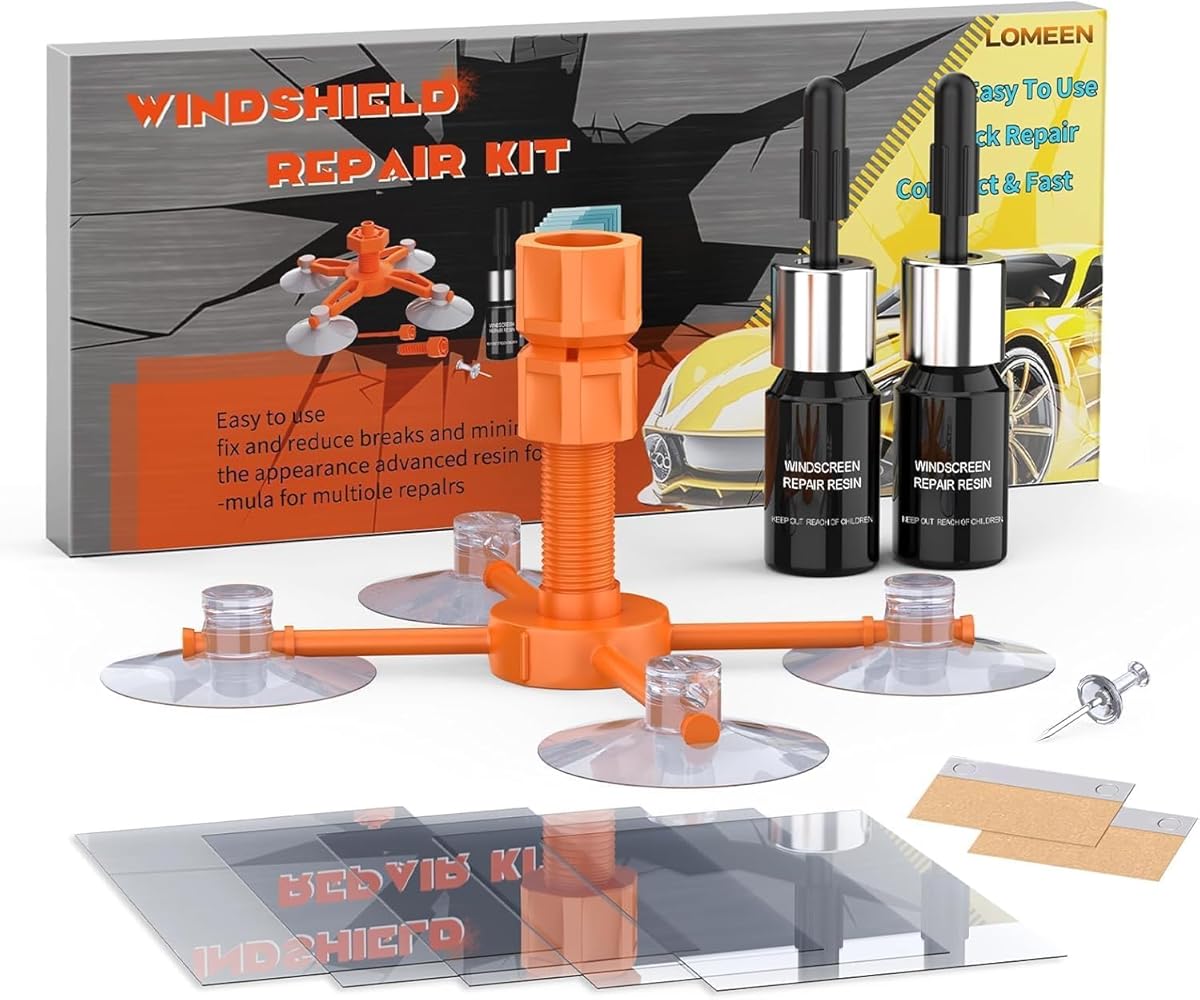
This specific 'Quick-Fix' kit markets itself as a universal solution for chips, scratches, cracks, and bullseyes, packaged as a two-pack for multiple repairs. Buyers should understand that its effectiveness hinges on the included resin's viscosity and the suction cup's ability to create a proper vacuum seal, which are critical for drawing resin into the damage.
Key Considerations Before Buying
- Assess the type and size of damage: This kit claims to handle multiple damage types, but DIY kits are typically only effective for small chips and bullseyes under 1 inch in diameter; long cracks are rarely repairable permanently.
- Evaluate the resin delivery system: The included 'universal' resin must have the right flow characteristics to penetrate hairline cracks without being too thin, which affects the final clarity and strength of the repair.
- Consider the suction cup mechanism: A proper seal is non-negotiable. A weak or poorly designed suction cup will fail to create the necessary pressure differential to force resin into the deepest part of the glass laminate.
What Our Analysts Recommend
Quality kits include a bridge apparatus or sturdy mounting system for precise pressure application, not just a simple suction cup. The resin should be in light-blocking containers to prevent premature curing, and instructions should clearly differentiate repair protocols for star cracks versus bullseyes.
Windshield & Glass Repair Tools Market Context
Market Overview
The DIY windshield repair market is saturated with inexpensive resin kits, but performance varies wildly. Many are manufactured by the same few OEMs and rebranded, making component quality—especially the resin formula and applicator design—the true differentiator.
Common Issues
Consumers frequently report issues with resin not fully curing to a clear finish, leaving a cloudy residue, or failing to bond properly on older, moisture-contaminated cracks. Poor suction cup adhesion on curved windshields is another frequent point of failure.
Quality Indicators
Look for kits that specify resin refractive index matching automotive glass and include a UV cure lamp or catalyst. Premium kits often provide multiple bridge adapters for different glass curvatures and detailed diagnostic guides to assess repairability before starting.
Review Authenticity Insights
Grade C Interpretation
A Grade 'U' with a 0.00% estimated fake review rate and zero total reviews means there is absolutely no verifiable consumer feedback for this specific 2-pack kit. This is a complete data vacuum, not a neutral score.
Trust Recommendation
With no authentic reviews to analyze, you cannot rely on crowd-sourced experience. You must scrutinize the product listing's images for tool detail and manufacturer claims, and be prepared to be a first-adopter without any performance benchmarks.
Tips for Reading Reviews
For such kits, search reviews for mentions of 'suction cup seal failure,' 'resin clarity,' and 'long-term hold.' Be wary of reviews that only praise packaging or delivery speed, as they ignore the technical execution of the repair itself.
Expert Perspective
This product enters the market with zero social proof, which is a significant risk for a tool where technique and material quality are paramount. The 'universal' resin claim is a red flag, as optimal formulations often vary for different crack patterns. The inclusion of a suction cup instead of a more stable bridge system suggests a cost-cutting measure that may compromise repair pressure consistency, especially on modern, highly curved windshields. The 2-pack value proposition is only beneficial if the first repair is successful.
Purchase Considerations
Only consider this kit for minor, fresh damage as a stopgap. The complete lack of reviews means you have no data on resin yellowing over time or adhesive strength in temperature extremes. Factor in the potential cost of a professional repair if this DIY attempt fails or worsens the damage.
Comparing Alternatives
Shoppers must compare the tool design and resin specifications of this kit against established brands with documented review histories, even if they cost slightly more per unit.


