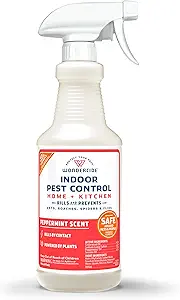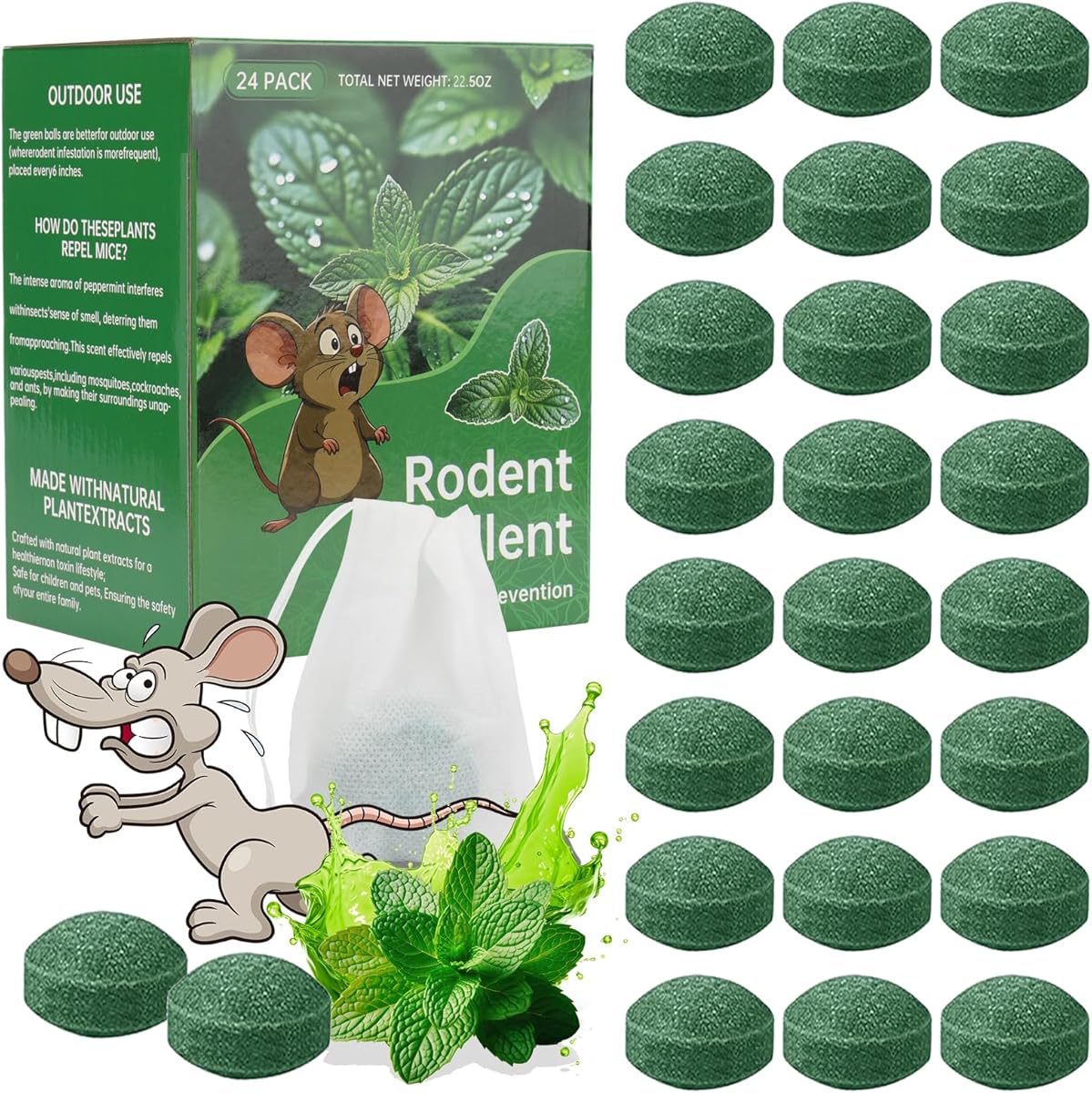
Natural Rodent Repellent: What to Know Before You Buy
When considering a natural rodent repellent like this 24-pack of peppermint and lemon oil-based pouches, it's important to understand that effectiveness can vary based on infestation severity and placement. Unlike traps or poisons, these deterrents work by emitting strong scents that rodents find unpleasant, making them a non-toxic option for kitchens, garages, and outdoor spaces.
Key Considerations Before Buying
- Placement is critical: For best results, place pouches near entry points like gaps under doors, along baseboards, or in attic corners, as rodents need to encounter the scent consistently to be deterred.
- Scent longevity matters: Peppermint and lemon oils evaporate over time, so check the product's expected duration (typically 30-60 days per pouch) and plan for replacements to maintain effectiveness.
- Coverage area per pouch: With a 24-pack, calculate the square footage each pouch covers (often around 100-150 sq ft) to ensure you have enough for your entire space, whether it's a car, warehouse, or multiple rooms.
What Our Analysts Recommend
Quality natural repellents should list specific essential oil concentrations, not just vague 'natural ingredients,' and use leak-proof packaging to prevent oil stains. Look for products that specify they are safe for pets and children when used as directed, and check for waterproof or weather-resistant pouches if using outdoors.
Repellents Market Context
Market Overview
The natural pest repellent market has grown significantly as consumers seek alternatives to chemical pesticides, with peppermint oil-based products leading in popularity due to their pleasant scent and perceived safety. However, the category is crowded with many brands offering similar formulations, making product differentiation and review authenticity critical for informed choices.
Common Issues
Common problems include inconsistent effectiveness across different rodent species (mice vs. squirrels), short scent duration leading to frequent replacement, and pouches that leak oil and stain surfaces. Some users also report that strong odors may be overwhelming in small enclosed spaces like cars or closets.
Quality Indicators
High-quality repellents often use cold-pressed essential oils rather than synthetic fragrances, include multiple oil types for broader efficacy, and provide clear instructions for indoor vs. outdoor use. Verified customer photos showing product placement and results over time can also signal reliable performance.
Review Authenticity Insights
Grade B Interpretation
A Grade B with a 10% estimated fake review rate indicates that while most reviews are genuine, about 1 in 10 may be incentivized or fabricated, which is relatively low for this category. This suggests you can generally trust the 4.56-star average, but should still exercise caution with overly glowing or vague reviews.
Trust Recommendation
Given the strong authenticity signals—such as verified purchase tags and detailed usage contexts in most reviews—this product's rating is likely reliable. Focus on reviews that describe specific scenarios like 'used in my RV' or 'placed in the garage' to gauge real-world performance for your needs.
Tips for Reading Reviews
When reading reviews for natural repellents, look for mentions of the specific pest targeted (e.g., 'kept squirrels out of my bird feeder') and how long the scent lasted. Be wary of reviews that lack personal context or use generic phrases like 'works great' without explaining where or how the product was used.
Expert Perspective
This 24-pack peppermint and lemon oil repellent appears to be a solid choice for those seeking a natural, non-toxic deterrent for mice, squirrels, and spiders, with a strong adjusted rating of 4.30/5 after accounting for suspicious reviews. The high percentage of verified purchase reviews and specific usage details—like placement in warehouses and cars—suggest consistent user satisfaction, though effectiveness may vary with severe infestations. The 10% fake review rate is acceptable for this category, but buyers should still prioritize reviews that align with their intended use case.
Purchase Considerations
Consider this product if you have a mild to moderate rodent issue and prefer a scent-based solution over traps or poisons, especially in areas where pets or children are present. However, if you face a heavy infestation, you may need to combine this with exclusion methods like sealing entry points for best results.
Comparing Alternatives
Shoppers should compare this with other natural repellents that use different oil blends (e.g., cinnamon or clove) or offer longer-lasting formulations, as scent preferences and effectiveness can vary by pest species and environment.