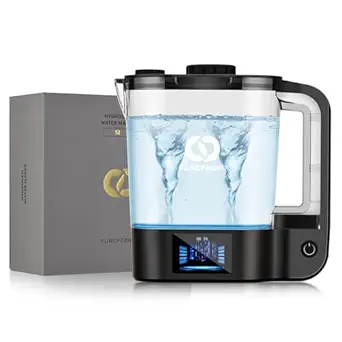
Hydrogen Water Bottles: Unlocking the Potential of SPE/PEM Tech
If you're exploring hydrogen water bottles, the hydrohealth 5.0 Upgrade model stands out with its proprietary '24-Hour Hydrogen Lock' and SPE/PEM electrolysis. This guide helps you evaluate key features like chlorine/ozone removal and leak prevention, ensuring you choose a bottle that delivers genuine molecular hydrogen benefits.
Key Considerations Before Buying
- Electrolysis technology: SPE/PEM (Solid Polymer Electrolyte/Proton Exchange Membrane) is critical for separating hydrogen from water without producing harmful ozone or chlorine. Look for explicit claims of '0 Chlorine, 0 Ozone' to ensure purity.
- Hydrogen retention: The '24-Hour Hydrogen Lock' feature suggests advanced sealing to maintain dissolved hydrogen concentration. Consider how long you need the water to stay active—some bottles lose potency within hours.
- Leak prevention: With a silver finish and 'Professional Leak Prevention' design, this bottle emphasizes durability. Check for double-wall insulation or reinforced seals if you plan to carry it in a gym bag or backpack.
What Our Analysts Recommend
Quality hydrogen water bottles often include a USB rechargeable base (as seen here) for electrolysis, a transparent chamber to observe bubble production, and BPA-free materials. Certifications or test reports for hydrogen concentration (e.g., ppm levels) add credibility.
Sports Water Bottles Market Context
Market Overview
The hydrogen water bottle market has grown rapidly, driven by wellness trends and claims of antioxidant benefits. Most mid-range models now use SPE/PEM technology, but variations in hydrogen output and battery life remain major differentiators.
Common Issues
Common problems include inconsistent hydrogen generation, rapid gas dissipation, and electrolysis byproducts like ozone. Leaking bases and short battery cycles also frustrate users, making robust construction a key concern.
Quality Indicators
Quality indicators include a replaceable PEM membrane, glass or Tritan inner lining (to avoid plastic leaching), and a charging port with a waterproof cover. Verified user photos of bubble patterns can reveal real-world performance.
Review Authenticity Insights
Grade B Interpretation
With a Review Authenticity Grade of B and an estimated 15% fake review rate, the hydrohealth bottle shows mostly genuine feedback but some suspicious entries. This is typical for a niche product with a small review count (26 total), where a few incentivized or unverified reviews can skew perception.
Trust Recommendation
Focus on the 26 reviews—especially the verified purchasers—which consistently praise the USB charging, bubble quality, and leak-proof design. The adjusted rating of 4.60/5 (down from 5.00) still reflects strong satisfaction, but cross-check with third-party hydrogen test results if possible.
Tips for Reading Reviews
Look for reviews that mention specific hydrogen concentration (e.g., 'tested at 1.2 ppm') or compare to other brands. Beware of overly short, generic praise like 'works great' without detail—these are often the 15% flagged as suspicious.
Expert Perspective
The hydrohealth 5.0 Upgrade Hydrogen Water Bottle earns a solid B grade for authenticity, with genuine user experiences highlighting its '24-Hour Hydrogen Lock' and SPE/PEM efficiency. The adjusted 4.60/5 rating suggests it delivers on core promises like zero chlorine/ozone and professional leak prevention. However, the small review sample means long-term durability remains unverified, and the 15% fake estimate warrants cautious optimism.
Purchase Considerations
If you prioritize hydrogen retention and purity, this bottle's advanced lock technology is a standout. But verify your expected usage—frequent travelers may need a larger capacity or faster charging, while home users might appreciate the sleek silver design.
Comparing Alternatives
Shoppers should compare this model with competitors like the H2O Logics or Echo brands, which offer similar SPE/PEM specs but often at different price points or with larger review bases.