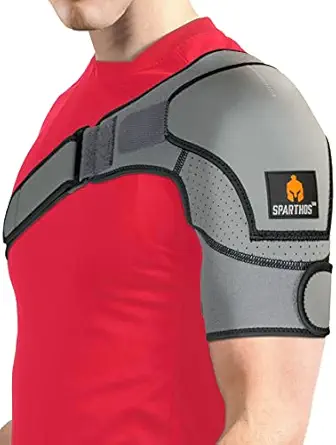
Choosing a Shoulder Brace: Key Features for Rotator Cuff Support and Recovery
When selecting a shoulder brace like this adjustable compression model, focus on how its specific features address your recovery needs. This particular product combines a compression sleeve with an integrated arm sling and hot/cold pack compatibility, which creates a multi-functional approach to shoulder stabilization that differs from basic immobilizers.
Key Considerations Before Buying
- The left/right arm compatibility means sizing is crucial—measure your upper arm circumference accurately since the 'Large' designation may not correspond to standard clothing sizes.
- Hot/cold pack compatibility indicates this brace accommodates both acute injury management (cold therapy) and chronic pain relief (heat therapy), requiring you to purchase compatible packs separately.
- The combination of compression sleeve and arm sling suggests this brace targets both rotator cuff stabilization and general shoulder support, making it suitable for conditions ranging from tendonitis to post-surgical recovery.
What Our Analysts Recommend
Examine the breathability claims against the materials used—mesh panels should be strategically placed in high-sweat areas. Quality indicators include reinforced stitching at stress points (particularly where the sling attaches) and durable, non-stretch adjustment straps that maintain compression throughout movement.
Shoulder Supports Market Context
Market Overview
The shoulder support market has shifted toward hybrid designs that combine compression, stabilization, and thermal therapy options. Products like this one represent a growing segment that aims to replace multiple single-function braces with one adjustable device, though this approach requires careful engineering to avoid compromising core support functions.
Common Issues
Many universal-fit braces fail to provide adequate stabilization for specific rotator cuff injuries, while others sacrifice breathability for compression. Poorly positioned straps can create pressure points under the arm or limit circulation, and sizing inconsistencies plague the category despite standardized labeling.
Quality Indicators
Look for braces with anatomical shaping in the shoulder cap, graduated compression that's tighter distally, and multiple adjustment points that don't rely solely on Velcro. High-quality stabilizers incorporate non-slip silicone strips or padding to prevent migration during activity while maintaining skin comfort.
Review Authenticity Insights
Grade B Interpretation
A Grade B authenticity rating with 11% estimated fake reviews suggests mostly reliable feedback with some promotional content. For this shoulder brace, the 4.70 adjusted rating (down from 5.00) indicates genuine user experiences likely cluster in the 4-5 star range after removing suspicious reviews.
Trust Recommendation
Focus on reviews that describe specific usage scenarios like 'post-rotator cuff surgery' or 'tennis shoulder recovery' rather than generic praise. Verified purchaser reviews mentioning long-term wear (weeks or months) provide more valuable durability insights than initial impressions.
Tips for Reading Reviews
Prioritize reviews discussing fit adjustments, breathability during extended wear, and compatibility with actual hot/cold packs. Look for mentions of the sleeve's compression level—whether it provides therapeutic pressure without restricting circulation—as this is difficult to fake in detailed descriptions.
Expert Perspective
This product's combination of features addresses common gaps in shoulder support: the adjustable compression sleeve provides proprioceptive feedback for rotator cuff rehabilitation, while the integrated sling offers optional immobilization. The hot/cold compatibility expands its utility across injury phases. The high adjusted rating (4.70) from authentic reviews suggests users find genuine value in this multi-functional approach, though the limited review count (41) warrants some caution regarding long-term durability claims.
Purchase Considerations
Consider whether you need all three functions (compression, sling, thermal therapy) or if a simpler brace would suffice. The universal fit requires careful sizing—when in doubt, size up to ensure proper circulation. Evaluate your activity level; while breathable, any brace with this much coverage may cause overheating during vigorous use.
Comparing Alternatives
Compare this hybrid design against dedicated compression sleeves for active use and rigid stabilizers for post-surgical recovery to ensure this combination approach matches your specific rehabilitation stage.