
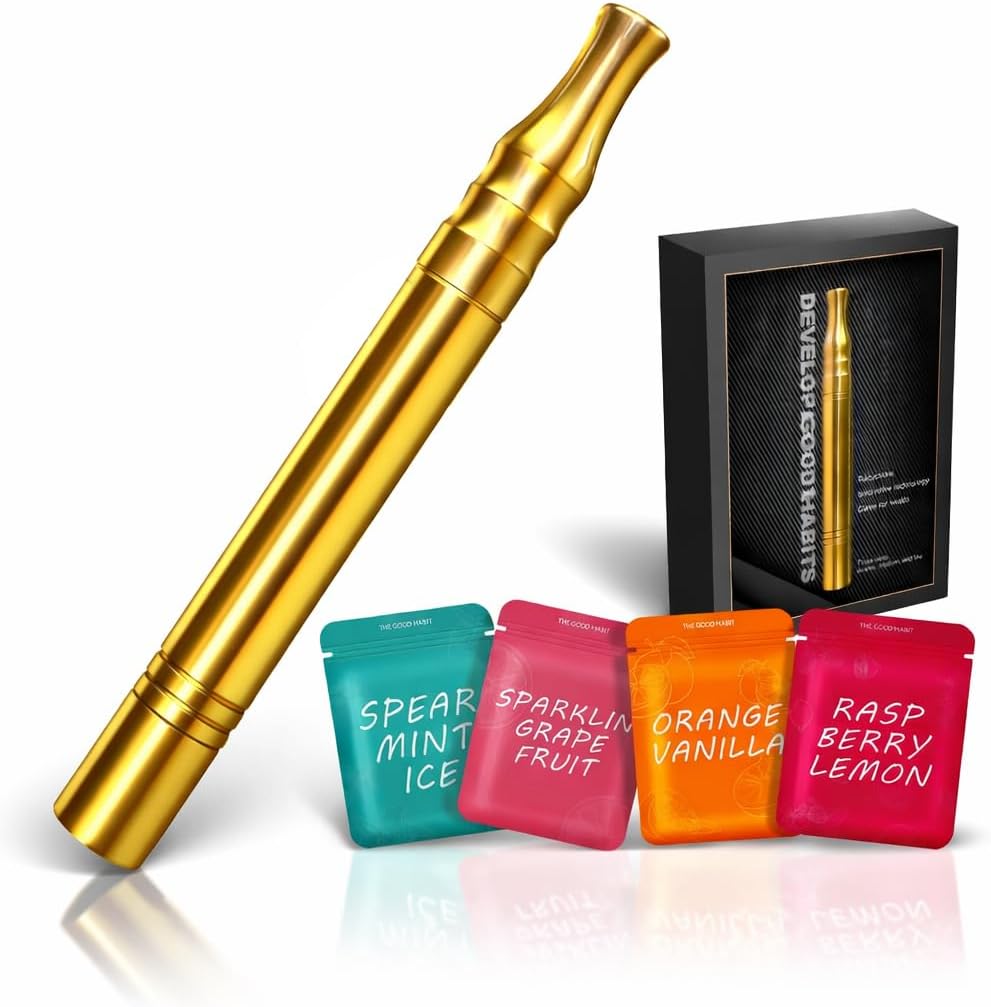
Evaluating Smokeless Inhalers: What This Upgraded Version Offers Over Basic Models
This specific 'Quit Bad Habit Air Device' represents an upgraded version of basic smokeless inhalers, featuring a built-in filter holder designed for slim 12-piece natural flavor cartridges. Unlike simple plastic tubes, this device incorporates a more structured approach to hand-to-mouth habit replacement, which is a critical component of smoking cessation for many users. The inclusion of natural scents rather than nicotine or tobacco flavors positions it as a behavioral aid rather than a nicotine replacement product.
Key Considerations Before Buying
- The 'upgraded version' designation typically refers to improvements in airflow control and filter retention compared to first-generation devices, which often had loose-fitting components.
- This device's compatibility with specifically 'slim 12pcs' natural flavor filters creates a proprietary ecosystem—you'll need to purchase replacement filters from the same manufacturer.
- The hand-to-mouth mechanism is engineered to mimic smoking rituals, which research suggests can address the behavioral addiction component separate from nicotine dependence.
What Our Analysts Recommend
Quality smokeless inhalers should have consistent airflow resistance that mimics a cigarette draw, durable mouthpiece construction that withstands repeated use, and secure filter/cartridge retention. The natural scents should be subtle rather than overpowering, as the goal is sensory distraction rather than flavor enjoyment. Check that replacement filters are readily available and reasonably priced for long-term use.
Smokeless Inhalers Market Context
Market Overview
The smokeless inhaler market has expanded beyond nicotine delivery systems to include zero-nicotine devices like this one, which focus purely on behavioral habit breaking. These devices occupy a niche between nicotine replacement therapy (NRT) and cognitive behavioral approaches, appealing to users who find the physical ritual of smoking harder to quit than the chemical dependence. Products range from disposable plastic tubes to more sophisticated reusable devices with replaceable cartridges.
Common Issues
Lower-quality devices often suffer from inconsistent airflow, fragile construction, or poor filter/cartridge retention that leads to frequent dislodging during use. Some natural scents can be artificial or overwhelming, potentially causing headaches or nausea rather than providing calming sensory input. Another frequent complaint involves the availability and cost of replacement filters, with some manufacturers creating proprietary systems that lock users into ongoing purchases.
Quality Indicators
Look for devices with adjustable airflow controls, medical-grade or food-safe materials in the mouthpiece, and clear documentation about scent ingredients. Higher-quality models typically feature more substantial construction weight (resembling a cigarette's heft) and ergonomic designs that comfortably fit between fingers. The best devices balance sensory feedback—the 'click' of filter insertion, consistent draw resistance—with discreet appearance for public use.
Review Authenticity Insights
Grade C Interpretation
A 'C' authenticity grade with 22% estimated fake reviews suggests approximately 1 in 5 reviews may be inauthentic, which is concerning but not catastrophic for this category. The adjusted rating dropping from 5.00 to 4.50 indicates that genuine feedback is still strongly positive, though not perfect. This pattern is common in smoking cessation products where emotional purchases sometimes generate polarized reviews.
Trust Recommendation
Focus on verified purchase reviews that describe specific usage scenarios—how the device feels during cravings, filter longevity, or scent subtlety. Be skeptical of reviews using identical phrasing about 'life-changing' results without behavioral details. Given the high verification rate, prioritize reviews that mention both strengths (like the hand-to-mouth ritual) and minor drawbacks (filter availability, scent preferences).
Tips for Reading Reviews
Look for reviews that discuss the upgraded features specifically—comparisons to previous versions or other devices, details about the filter holder mechanism, or comments on the natural scents' authenticity. Genuine reviews often mention timing ('used during work breaks') or situational triggers ('helped while driving'). Avoid reviews that sound like marketing copy emphasizing 'amazing' results without behavioral specifics.
Expert Perspective
This device appears to be a mid-tier smokeless inhaler focusing on the behavioral rather than pharmacological aspects of smoking cessation. The 4.50 adjusted rating from authentic reviews suggests it effectively serves its niche purpose for many users, particularly those struggling with hand-to-mouth habits. The 'upgraded version' likely addresses common complaints about earlier models, particularly regarding filter security and airflow consistency. However, the proprietary filter system creates ongoing cost considerations that basic disposable inhalers don't present.
Purchase Considerations
Weigh whether you need a structured device with replaceable filters or if disposable inhalers might suffice for initial habit breaking. Consider your sensitivity to scents—'natural flavor' can vary significantly between manufacturers. Factor in the long-term cost of filter replacements versus the upfront device cost. This product is best suited for users who've identified the physical ritual as their primary challenge, not those experiencing strong nicotine withdrawal symptoms.
Comparing Alternatives
Compare this device's filter cost and scent options with similar reusable systems from brands like QuitGo or Füm, and consider whether disposable zero-nicotine inhalers might offer more flexibility for initial trial.


