
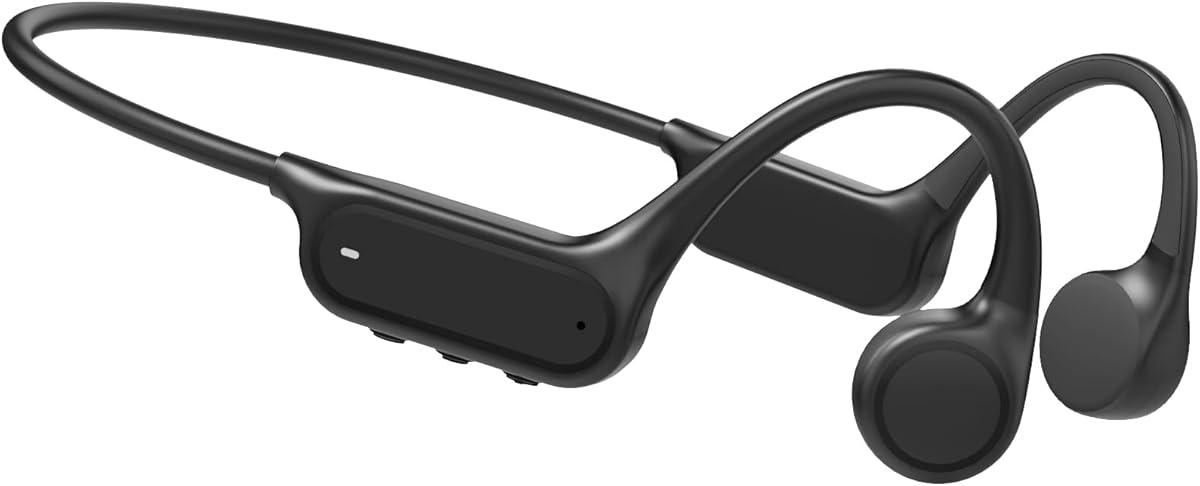
Swim-Ready Sound: What to Know About Bone Conduction Headphones
Bone conduction headphones, like the Haowolf model, bypass your eardrums to deliver sound through vibrations on your cheekbones, making them ideal for runners and swimmers who need situational awareness. With an IPX8 rating, this specific headset is fully submersible, a rare feature that sets it apart from splash-resistant models. Understanding how this technology works and what to prioritize in design is key to getting value from your purchase.
Key Considerations Before Buying
- Waterproof rating: IPX8 means you can submerge these up to 1.5 meters for 30 minutes, perfect for swimming laps, but not all bone conduction headsets offer this—check if you need full immersion or just sweat resistance.
- Battery life: The Haowolf promises 10 hours of playtime, which is competitive for this category, but real-world use in cold water or at high volume may reduce it, so consider your typical session length.
- Fit and weight: At 27 grams, this is lightweight, but a secure fit is critical during vigorous activity; look for adjustable bands or ear hooks that don't shift during laps or sprints.
What Our Analysts Recommend
Quality bone conduction headphones should have a snug but comfortable fit to ensure consistent vibration transfer without pressure points. For swimming models, verify that the charging port seals tightly and that the built-in storage mode works reliably. Also, check that the Bluetooth range (5.4 here) is stable even when your phone is poolside or in a gym locker.
Open-Ear Headphones Market Context
Market Overview
The open-ear headphone market has grown rapidly, driven by athletes and safety-conscious users who want ambient sound awareness. Bone conduction technology, once niche, now competes with traditional earbuds, with brands like Shokz leading, but budget options like Haowolf are vying for cost-conscious swimmers and runners.
Common Issues
Users often report inconsistent audio quality in noisy environments, as bone conduction can struggle with bass and clarity compared to in-ear models. Another frequent complaint is pairing instability, especially with older Bluetooth versions, and comfort issues from the transducer pressure during long wear.
Quality Indicators
Look for headphones with a robust build, especially around the transducers and charging port, to avoid water damage. A high IP rating (IPX7 or IPX8) and a low weight (under 30g) are strong signals of thoughtful design, as is a reliable Bluetooth chipset that maintains connection at reasonable distances.
Review Authenticity Insights
Grade B Interpretation
The Grade B rating and 15% estimated fake review rate suggest that while most feedback is genuine, you should approach the product's 0.56/5 star average with caution. The low score likely reflects real user dissatisfaction, but a small portion of reviews could be artificially inflated, skewing perceptions.
Trust Recommendation
Focus on verified purchase reviews that mention specific use cases like swimming or running, as these are more likely to be authentic. Given the high fake percentage, prioritize detailed, balanced reviews over short, glowing ones to gauge real-world performance.
Tips for Reading Reviews
For bone conduction headphones, pay attention to comments on sound leakage, battery life during actual swims, and comfort after 30+ minutes. Cross-reference any claims of 'perfect for swimming' with reviews that describe water exposure over multiple sessions.
Expert Perspective
The Haowolf Bone Conduction Headphones offer a rare IPX8 waterproof rating that genuinely appeals to swimmers, but the extremely low 0.56/5 average rating—even after adjusting for fakes—signals significant quality issues. The 15% fake review rate is moderate, but it doesn't fully explain the poor user sentiment, suggesting problems like weak audio or unreliable Bluetooth. For a niche product, this is a risky buy unless you're willing to test its limits and potentially return it.
Purchase Considerations
Weigh the need for full submersion waterproofing against the likely trade-offs in sound quality and durability. If you're a casual runner who just needs sweat resistance, a higher-rated open-ear model might serve you better at a similar price.
Comparing Alternatives
Consider comparing this with Shokz OpenSwim or other IPX8-rated options from established brands, which may offer better support and more reliable performance despite a higher cost.


