
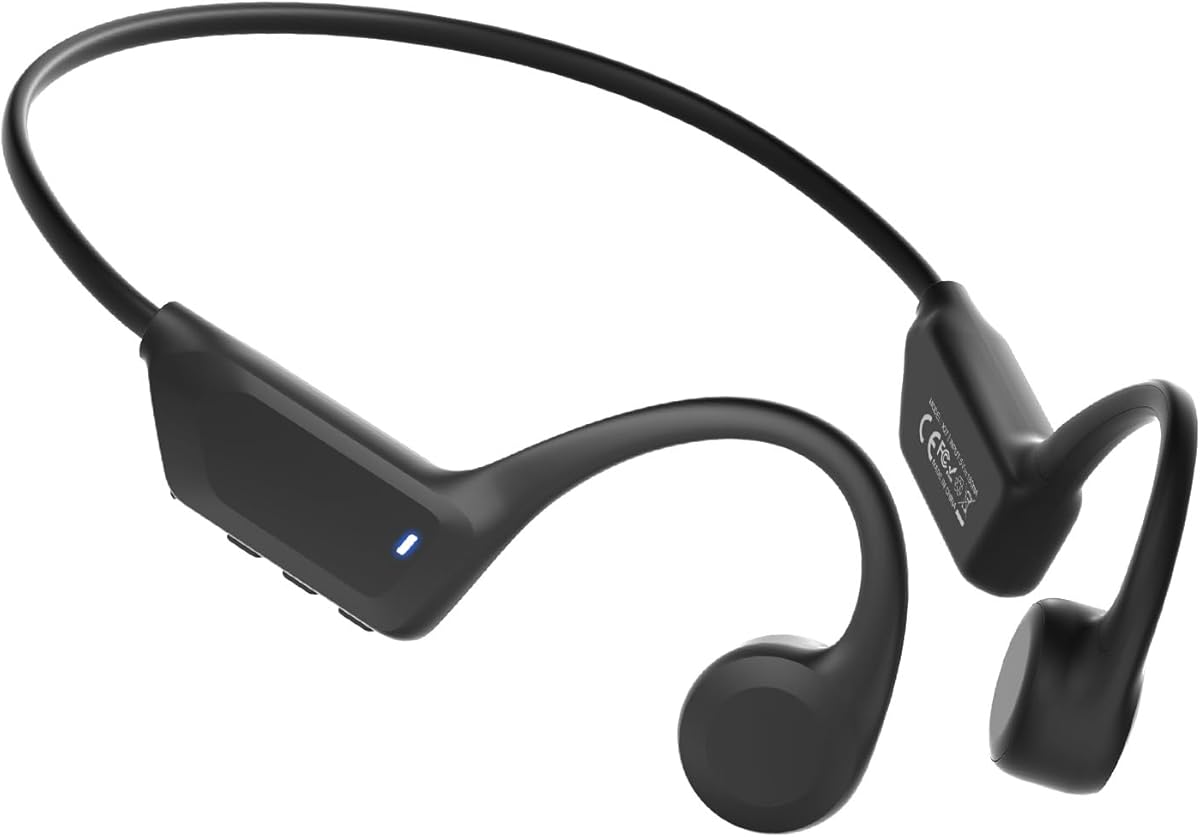
Open-Ear Freedom: What to Know Before Buying Bone Conduction Headphones
If you're an active individual who values situational awareness during runs, rides, or hikes, open-ear bone conduction headphones like this model are a game-changer. Unlike traditional earbuds, they rest outside your ear canal, transmitting sound through your cheekbones to keep your ears open to ambient noise. This specific headset offers Bluetooth 6.0, a 10-hour battery, and an ultra-light build, making it a strong contender for outdoor workouts.
Key Considerations Before Buying
- Fit and stability: Since bone conduction headphones rely on a band around the back of your head, ensure the design is secure and doesn't slip during high-motion activities like running or cycling. This model's ultra-lightweight construction helps reduce bounce.
- Sound quality expectations: Bone conduction delivers sound differently than traditional headphones—it's less bass-heavy and can be affected by loud environments. If you need immersive audio, this might not be your best option, but for podcasts and calls, it's excellent.
- Waterproof rating: Not all 'waterproof' headphones are equal. Check the IP rating (likely IPX6 or higher for this model) to ensure it can handle sweat, rain, or submersion, especially if you're exercising outdoors.
What Our Analysts Recommend
Look for a secure, ergonomic fit that doesn't cause pressure points during extended wear. Battery life should meet your typical workout duration—10 hours here is generous. Also, verify Bluetooth version (6.0 ensures low latency and stable connection) and waterproof rating for durability.
Open-Ear Headphones Market Context
Market Overview
The open-ear headphone market has expanded rapidly, driven by demand for safety and comfort during fitness activities. Bone conduction technology, once niche, now competes with traditional sport earphones, offering a unique blend of awareness and audio. This model's Bluetooth 6.0 and 10-hour battery align with current premium trends.
Common Issues
Common complaints include sound leakage at high volumes, vibration against the skin, and poor call quality in windy conditions. Some users also find bone conduction less effective for music with heavy bass, as the technology prioritizes mid and high frequencies.
Quality Indicators
High-quality bone conduction headphones feature a flexible, durable titanium frame, consistent vibration across the transducers, and effective noise isolation for calls. A strong IP rating (e.g., IPX7) and reliable Bluetooth connectivity are also key markers of build quality.
Review Authenticity Insights
Grade B Interpretation
A Grade B authenticity rating with an estimated 15% fake reviews is relatively solid for a product with 138 reviews. While most feedback appears genuine—featuring verified purchase badges and specific usage details—a small portion may be incentivized or exaggerated, which is common in this competitive category.
Trust Recommendation
You can generally trust the 5.00-star average, but focus on the adjusted rating of 4.60, which accounts for suspicious reviews. Look for reviews that mention real-world use cases like running in rain or long cycling trips, as these provide actionable insights. Avoid relying solely on the overall star count.
Tips for Reading Reviews
For open-ear headphones, prioritize reviews that discuss fit comfort during movement, battery life under continuous use, and performance in various weather conditions. Ignore vague praise like 'works great' and instead seek detailed feedback on sound clarity during calls or stability during sprints.
Expert Perspective
This waterproof open-ear headset offers strong value for active users, with modern Bluetooth 6.0 and a competitive 10-hour battery. The high adjusted rating of 4.60/5 suggests genuine satisfaction, likely due to its lightweight design and stable connection. However, the 15% fake review rate means you should weigh the consensus with healthy skepticism, focusing on verified purchasers' experiences. It's a solid choice for runners and cyclists who prioritize safety and comfort over audiophile-grade sound.
Purchase Considerations
Consider your primary use case: if you mainly listen to music with heavy bass or work in noisy environments, traditional in-ear buds may serve you better. But for outdoor activities where hearing traffic or surroundings is critical, this headset excels. The ultra-light build also reduces neck fatigue during long hikes or marathon training sessions.
Comparing Alternatives
Shoppers should compare this with top competitors like Shokz OpenRun or Vidonn F9, especially regarding sound quality and fit. This model's Bluetooth 6.0 and waterproofing give it an edge, but personal preference on comfort and price should guide your final decision.


