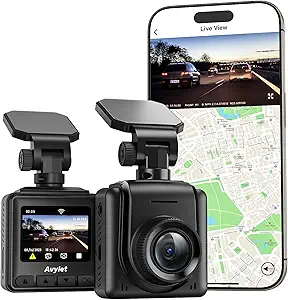
Three-Channel Dash Cam: What to Know Before You Buy
This 3-channel dash cam records front, rear, and cabin in 4K+4K+1080P, offering comprehensive coverage often sought by rideshare drivers and families. With a bundled 128GB card, it's ready to use out of the box, but you'll need to weigh storage, connectivity, and installation complexity.
Key Considerations Before Buying
- Storage capacity: The included 128GB card is a good start, but 4K recording on three channels consumes space quickly; consider upgrading to 512GB (the max supported) for longer recording times.
- Connectivity: 5.8GHz WiFi6 enables fast video transfers (up to 20MB/s) and smooth app control, but ensure your phone is compatible with the 5.8GHz band for optimal performance.
- Parking mode: The 24H parking mode requires a hardwiring kit (often sold separately) for continuous power; without it, the dash cam won't monitor your car when parked.
What Our Analysts Recommend
When evaluating 3-channel dash cams, prioritize sensor quality over resolution alone—good night vision (like the advertised AProX HD) depends on sensor size and aperture. Check for reliable parking mode implementation and whether the included mount and cables suit your vehicle's interior layout.
On-Dash Cameras Market Context
Market Overview
The dash cam market is flooded with options, from single-channel budget cams to multi-channel 4K systems. Three-channel models are a niche but growing segment, catering to those who want full coverage without multiple devices. Prices vary widely, and features like WiFi6 and GPS are becoming more common.
Common Issues
Common complaints include unreliable WiFi connections, poor night vision despite high resolution claims, and parking mode draining the car battery. Overheating is another frequent problem, especially in hot climates, which can cause recording failures.
Quality Indicators
Look for established brands with a track record of firmware updates and customer support. A high-quality dash cam will have clear specifications (e.g., actual sensor model, aperture size) and positive reviews that mention long-term reliability. Avoid products with vague claims and no brand presence.
Review Authenticity Insights
Grade B Interpretation
A Grade U indicates an unverified product with no reviews, so we cannot assess review authenticity. The 0.00% fake review percentage is simply because there are no reviews to analyze, not a sign of trustworthy feedback.
Trust Recommendation
Since this product has no reviews, approach with caution. Check the seller's history, return policy, and whether the brand has other products with reviews. Consider waiting for genuine reviews or looking for a similar product from a reputable brand.
Tips for Reading Reviews
When reviews become available, focus on those that discuss night vision performance, WiFi reliability, and parking mode functionality. Look for detailed, balanced feedback rather than short, overly positive comments. Verify that reviews are from verified purchases.
Expert Perspective
This dash cam offers impressive specs on paper—4K+4K+1080P, WiFi6, and a free 128GB card—but with no reviews, its real-world performance is unknown. The lack of brand recognition and review history means you're taking a risk on build quality, software stability, and customer support. The feature set is competitive, but execution is everything in this category.
Purchase Considerations
Weigh the attractive specs against the lack of proven reliability. If you're an early adopter willing to troubleshoot, it might be worth trying, but ensure the seller offers a solid return policy. For critical use (e.g., rideshare), opt for a dash cam with a proven track record.
Comparing Alternatives
Before buying, compare with established 3-channel dash cams from brands like Vantrue, BlackVue, or Viofo, which have extensive reviews and reliability data. These may cost more but offer peace of mind.