Drive Rodents Away: Smart Buying for Ultrasonic Car Repellents
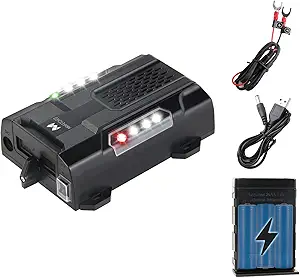
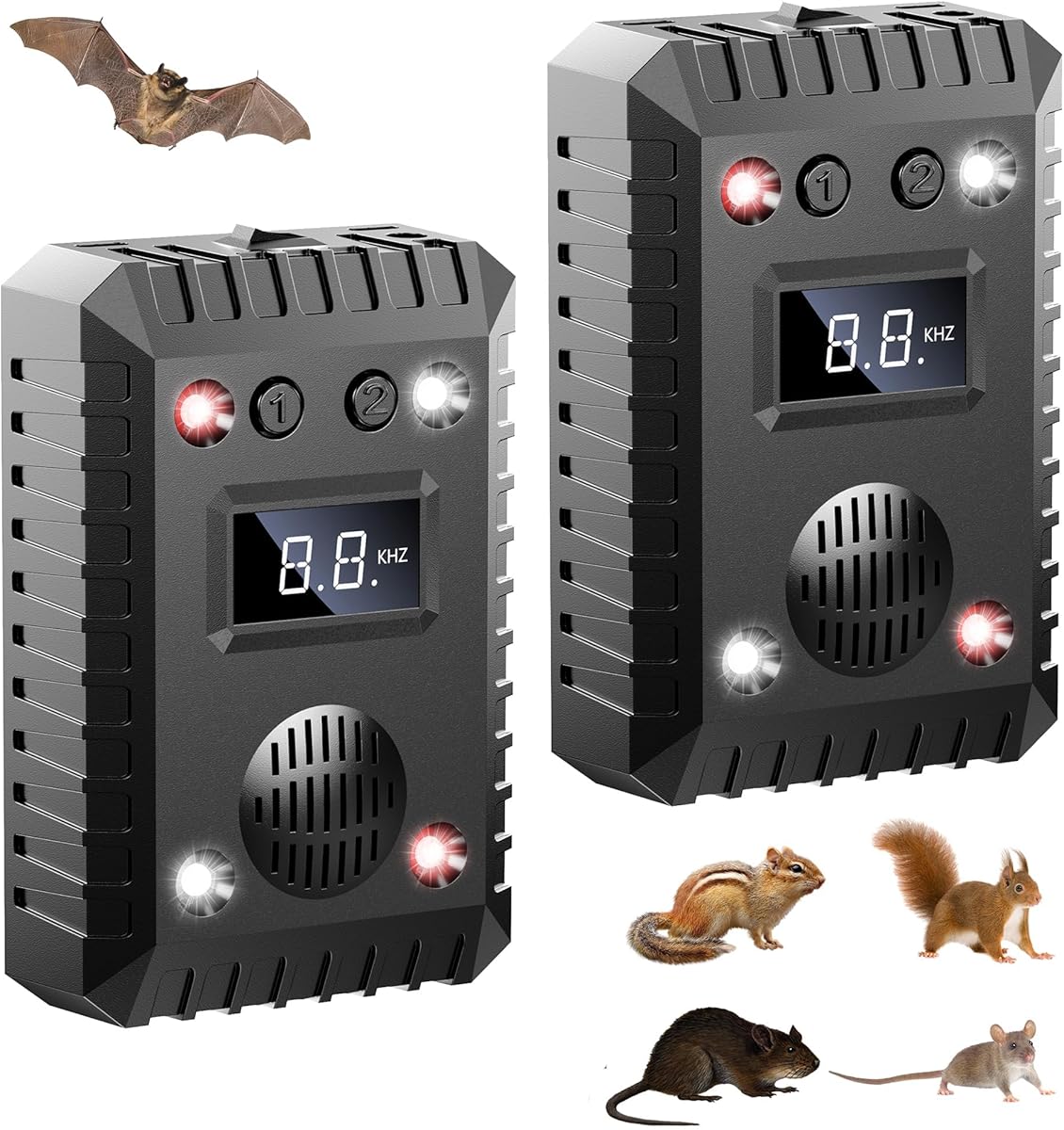
When considering an ultrasonic car rodent repellent like this battery-operated plug-in unit, it's crucial to understand that these devices emit high-frequency sound waves designed to deter rodents without chemicals. For car engines, attics, and barns, the effectiveness hinges on proper placement and coverage area, as sound waves can be blocked by metal and insulation.
Key Considerations Before Buying
- Coverage and placement: Ultrasonic waves don't penetrate solid objects, so for car engines, you'll need to ensure the device is positioned near potential entry points like wiring harnesses or air intakes—this two-pack allows for dual coverage in larger spaces like barns.
- Frequency and adaptability: Some rodents may habituate to constant frequencies; look for devices with varying or sweeping frequencies to maintain effectiveness. This product's specs should be checked for frequency range to ensure it targets both rats and mice.
- Power source and durability: Battery-operated models offer flexibility for outdoor or vehicle use but require periodic battery changes. Verify battery life expectations and whether the unit is weather-resistant for attic or barn installation.
What Our Analysts Recommend
Quality indicators include a wide frequency range (typically 20-65 kHz), random frequency cycling to prevent habituation, and a robust build that can withstand temperature extremes in car engines or barns. Also, check for waterproof ratings if placing in damp areas, and ensure the device is certified safe for pets like hamsters or guinea pigs that may be sensitive to ultrasound.
Ultrasonic Repellers Market Context
Market Overview
The ultrasonic pest repellent market has grown as consumers seek non-toxic alternatives to traps and poisons, especially for vehicles where chemical odors or physical traps are impractical. However, efficacy varies widely, with many products failing to deliver consistent results due to poor frequency design or limited coverage.
Common Issues
Common issues include rodents becoming accustomed to constant tones, insufficient power to cover engine compartments, and battery drain in cold weather. Users also report that placement is critical—if the sound is blocked by engine blocks or stored items, the repellent may be ineffective.
Quality Indicators
Quality products often feature adjustable frequency modes, long battery life (weeks to months), and positive user feedback specifically for automotive use. Look for devices with independent testing or certifications, and avoid those with vague claims like 'repels all pests' without specifying target species.
Review Authenticity Insights
Grade B Interpretation
The Grade B rating and 10% estimated fake reviews suggest that while the majority of feedback is genuine, there is a small but notable portion of potentially fabricated reviews. This is typical for a product with moderate reviews (42 total), where a few incentivized or overly positive reviews can skew perceptions.
Trust Recommendation
Given the 4.33 overall rating and adjusted 4.10, you can reasonably trust the positive consensus, but focus on detailed reviews that mention specific placements (e.g., 'under the hood' or 'in the attic') and real outcomes over generic praise. Verified purchase tags are a strong signal here, as nearly all reviews carry them.
Tips for Reading Reviews
For ultrasonic repellents, prioritize reviews that describe the rodent type (mice vs. rats), duration of use (at least 2-4 weeks for habituation testing), and any challenges with installation or battery life. Be wary of reviews that use identical phrasing or lack specifics about the product's performance in a car engine setting.
Expert Perspective
This product appears to be a legitimate entry in the ultrasonic repellent category, with a solid rating and mostly authentic reviews supporting its use for cars, attics, and barns. The two-pack offers flexibility, but potential buyers should temper expectations—ultrasonic devices are often best as part of an integrated pest management strategy, not standalone solutions. Given the 10% fake review rate, the adjusted rating of 4.10 is a more realistic benchmark, indicating satisfactory performance for many users.
Purchase Considerations
Weigh the convenience of a battery-operated, no-chemical solution against the possibility that persistent rodents may require additional traps or exclusion methods. For car owners, this could be a cost-effective first step, but monitor results over a month and be prepared to reposition the device if no change is observed.
Comparing Alternatives
Shoppers should compare this with similar ultrasonic repellents that offer solar charging or higher decibel outputs, as well as traditional deterrents like peppermint oil sprays or electronic pulsing devices, to find the best fit for their specific rodent problem.