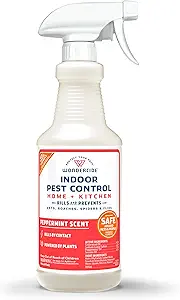
Peppermint & Lemon Oil Rodent Repellent: What to Know Before You Buy
When you're dealing with mice, squirrels, or spiders, a natural deterrent like this 24-pack of peppermint and lemon oil repellent offers a non-toxic alternative to traps and poisons. This guide will help you understand how to choose an effective essential-oil-based repellent and what to expect from its performance in various settings like kitchens, warehouses, and cars.
Key Considerations Before Buying
- Consider the scent intensity and longevity: Peppermint and lemon oils are potent but volatile, so reapplication frequency is a key factor. Look for products with high oil concentration or slow-release mechanisms to maintain effectiveness.
- Think about placement versatility: This product is marketed for indoor and outdoor use, but you'll need to determine if the packaging (e.g., pouches, sachets) is suitable for the specific areas you need to cover, such as under sinks, in attics, or in vehicle trunks.
- Check for pet and family safety: While natural oils are generally safer than chemical repellents, cats and some dogs can be sensitive to essential oils. Ensure the product's instructions specify safe usage around pets and children.
What Our Analysts Recommend
Quality in natural repellents hinges on the purity of the essential oils and the integrity of the packaging to prevent leaks and preserve scent. Look for products that are transparent about their oil concentrations and provide clear coverage area guidelines. Also, check for weather-resistant packaging if you plan to use them outdoors, as moisture can degrade the oils.
Repellents Market Context
Market Overview
The pest control repellent market has seen a significant shift toward natural and eco-friendly solutions, driven by consumer concerns about chemical exposure. Essential-oil-based repellents, particularly those using peppermint and lemon, are popular for their dual action against rodents and insects. However, the market is crowded, with varying degrees of efficacy and quality.
Common Issues
A common issue with natural repellents is inconsistent performance, as scent dispersion can be affected by temperature, air flow, and the size of the treated area. Another concern is the short duration of effectiveness, requiring frequent replacement. Additionally, some products may have a weaker scent than advertised, leading to user disappointment.
Quality Indicators
High-quality repellents typically feature a strong, fresh scent that indicates high oil concentration. Look for products that provide clear instructions on coverage area and replacement intervals. Positive reviews that mention specific usage scenarios (e.g., 'worked in my car' or 'kept mice out of the garage') are good indicators of real-world effectiveness.
Review Authenticity Insights
Grade B Interpretation
The B grade and 15% estimated fake review rate suggest that while the majority of reviews are authentic, there is a notable minority that may be incentivized or fabricated. This means the 5.00 rating is slightly inflated; the adjusted 4.60 rating is a more realistic reflection of user satisfaction. You should still trust the general positive sentiment, but be aware that some glowing reviews might be less reliable.
Trust Recommendation
Given the B grade, focus on reviews that provide specific details about the product's scent strength, longevity, and effectiveness in different locations. Look for reviews with photos or videos, as these are harder to fake. Also, consider the number of reviews (44) — it's a relatively small sample, so weigh the consensus against your own needs and expectations.
Tips for Reading Reviews
When reading reviews for this type of product, pay special attention to comments about the intensity of the peppermint and lemon scent. Does it dissipate quickly? Is it too strong? Also, note any reviews that mention the product's durability, especially for outdoor use. Be wary of reviews that are overly generic or lack specific details about the product's performance.
Expert Perspective
The 24-pack of peppermint lemon oil rodent repellent appears to be a solid choice for those seeking a natural, multi-pest deterrent. The high adjusted rating of 4.60 indicates genuine user satisfaction, particularly given the verified purchases. The product's versatility across indoor and outdoor spaces is a significant advantage, and the natural composition aligns with consumer preferences for pet and family safety. However, the 15% fake review rate suggests you should approach the perfect 5.00 rating with caution, but the core product seems to deliver on its promises.
Purchase Considerations
Your decision should weigh the convenience of a 24-pack against the need for periodic reapplication. If you have a large property or multiple problem areas, this bulk quantity could be cost-effective. Consider the scent tolerance of your household and pets, as the peppermint and lemon oils can be quite strong. Also, think about the specific pests you're targeting — this product is marketed for mice, rats, squirrels, and spiders, but its effectiveness may vary by species.
Comparing Alternatives
While this product is a strong contender, it's wise to compare it with other natural repellents that use different active ingredients like cinnamon or garlic, which might be more effective for certain pests. Also, consider electronic repellents or traditional traps if you prefer a more immediate solution. The best choice will depend on your specific pest problem and environmental conditions.