Choosing a Reliable Replacement Battery for Your Roomba i7 or e Series
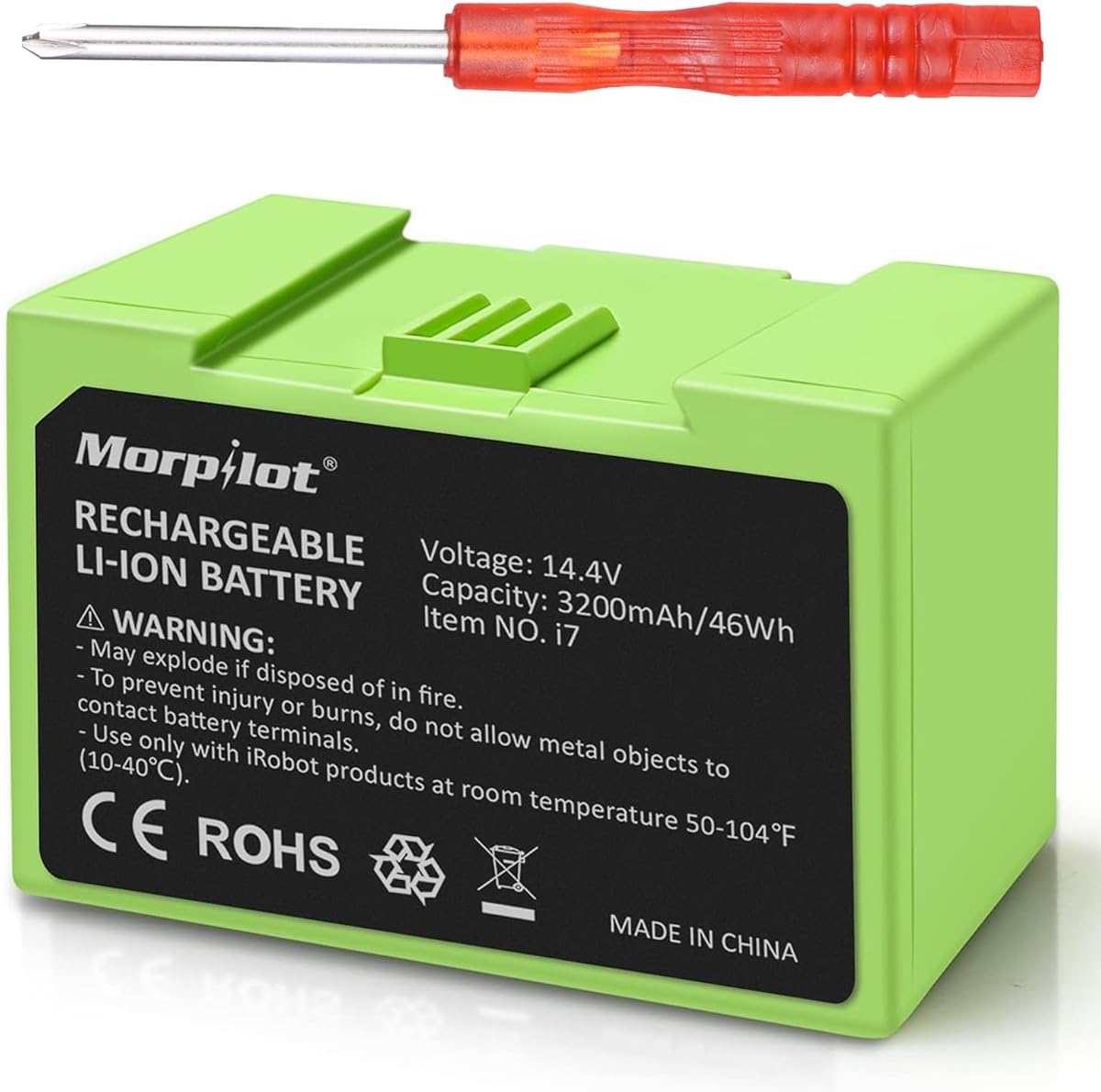
When your Roomba i7 or e series robot vacuum starts losing cleaning power or struggling to complete a full cycle, the 14.4V 3200mAh lithium-ion battery is the most likely culprit. This specific replacement is designed to restore original performance and offers a higher capacity than the stock battery, which can extend runtime for larger homes. Before buying, consider compatibility with your model, capacity needs, and the battery's cycle life to ensure you get the best value.
Key Considerations Before Buying
- Ensure the battery voltage matches your Roomba's requirement—most i and e series models use a 14.4V system. Using a different voltage can damage the robot or cause poor performance.
- Capacity, measured in mAh, directly affects runtime. A 3200mAh battery like this one offers about 30-50% more run time than the standard 1800-2200mAh OEM battery, which is ideal for larger spaces or deep cleaning sessions.
- Check for safety certifications (e.g., UL, CE, RoHS) and protection circuits that prevent overcharge, over-discharge, and short circuits. These features extend battery life and protect your Roomba.
What Our Analysts Recommend
Look for batteries that explicitly state compatibility with multiple Roomba models in the i and e series, as this indicates a well-designed aftermarket product. High-quality cells from reputable manufacturers like LG or Samsung often result in longer cycle life and consistent performance. Also, check for user reports of easy installation and firmware compatibility, as some robots may require a reset after battery replacement.
Batteries Market Context
Market Overview
The aftermarket Roomba battery market has grown significantly as consumers seek cost-effective alternatives to OEM replacements. Most batteries in this category use lithium-ion chemistry, which offers better energy density and lighter weight than older nickel-metal hydride (NiMH) options. However, quality varies widely between brands, with cheaper cells often failing after just a few months.
Common Issues
A frequent complaint with replacement batteries is diminished capacity over time, often due to low-quality cells or inadequate protection circuits. Some users also report battery swelling or failure to charge after a few cycles, which can be linked to poor thermal management. Additionally, compatibility issues can arise with newer firmware updates if the battery's communication protocol isn't fully aligned with Roomba's system.
Quality Indicators
Quality batteries typically include built-in BMS (Battery Management System) chips that regulate charging and discharging. They also feature high-drain cells rated for 500+ cycles and come with a warranty of at least 12 months. Look for batteries that have undergone third-party testing for capacity and safety, as this is a reliable sign of manufacturing standards.
Review Authenticity Insights
Grade A Interpretation
With a Grade A review authenticity rating and an estimated fake review percentage of just 5.00%, this product has a very trustworthy review profile. The vast majority of the 13,614 reviews are from verified purchasers who share detailed, personal experiences—such as specific runtime improvements or installation tips—which is a strong indicator of genuine feedback.
Trust Recommendation
You can rely on the overall 4.78-star rating as a realistic reflection of buyer satisfaction. However, always read a mix of positive and negative reviews to understand potential drawbacks, such as early battery degradation or compatibility quirks with specific Roomba models. The low fake review rate means you're unlikely to encounter artificially inflated scores.
Tips for Reading Reviews
Focus on reviews that mention the specific Roomba model you own (e.g., i7, i8, e5) and the battery's performance after several months of use. Look for comments about run time in real-world settings (e.g., 'cleaned my whole first floor on one charge') and any issues with the battery fitting or connecting. Reviews with photos or videos of the installation can also be very helpful.
Expert Perspective
This 14.4V 3200mAh replacement battery offers a compelling upgrade for Roomba i and e series owners, delivering noticeably longer runtime compared to the standard OEM battery. The high customer rating and strong authenticity grade suggest it consistently meets expectations, with most users reporting improved cleaning cycles and easy installation. The main caveat is that aftermarket batteries can sometimes have shorter overall lifespan than OEM units, though the higher capacity may offset this for many users.
Purchase Considerations
If your Roomba struggles to finish cleaning a large area, this battery's extra capacity is a practical and cost-effective fix. However, if your robot is still under warranty, consider whether a non-OEM battery might void coverage. Also, be prepared for a possible initial firmware reset after installation, which is common with third-party batteries.
Comparing Alternatives
While this battery is a strong choice, shoppers should also compare with other high-capacity replacements from brands like Oasser or Kaisi, which may offer similar specs at competitive prices. Always check model compatibility and warranty terms before purchasing.