
Titanium Skillet Buying Guide: What to Know Before You Buy
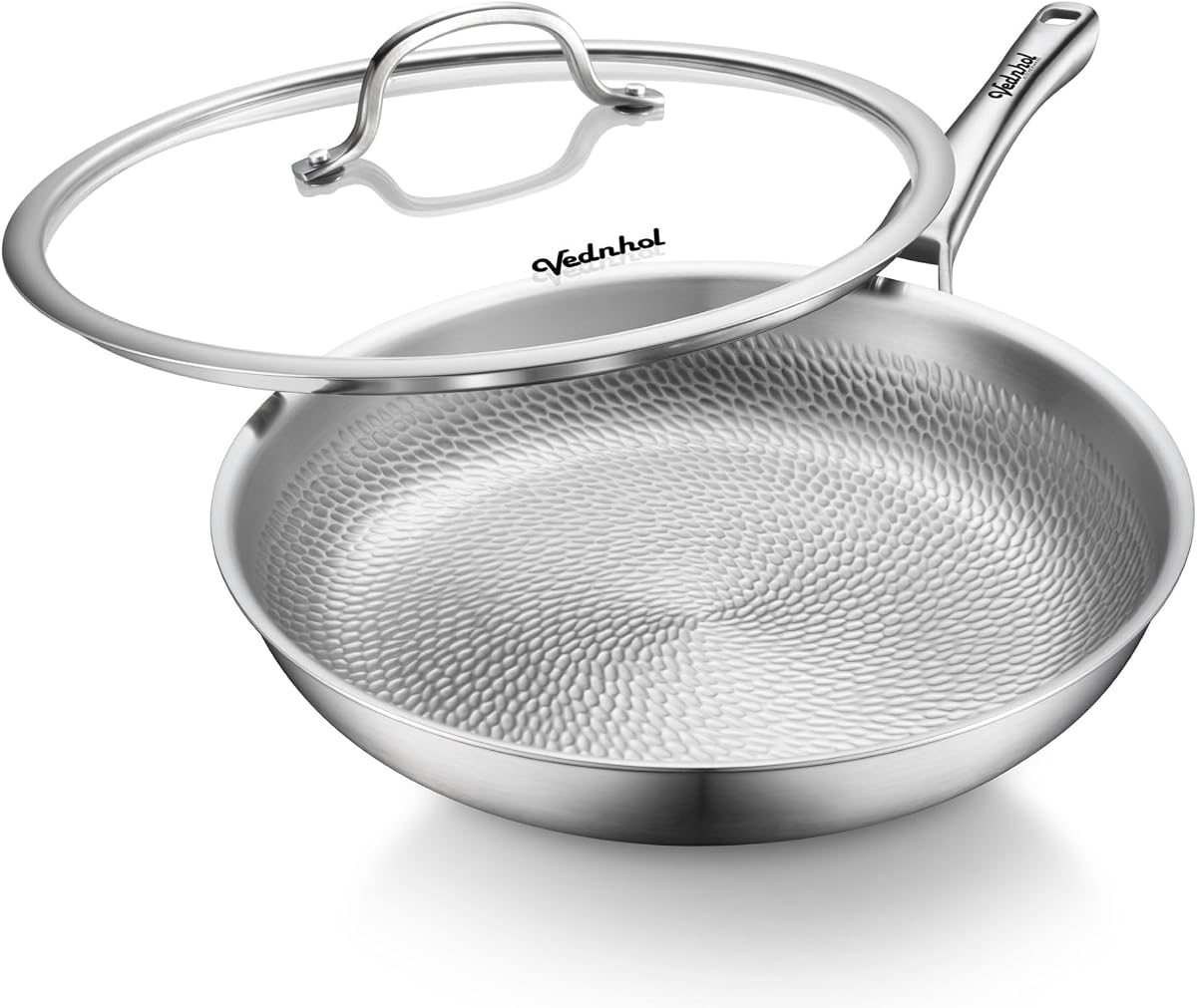
Titanium pans like this 12-inch non-toxic skillet with lid promise durability and even heating without traditional non-stick coatings. Before purchasing, understand how titanium cookware performs, what to expect from the material, and how to evaluate quality.
Key Considerations Before Buying
- Titanium cookware is not pure titanium; most pans are aluminum or stainless steel with a titanium-based coating or titanium particles. Pure titanium is a poor heat conductor, so check the construction for an aluminum core or clad layers for even heating.
- The non-toxic claim usually means no PTFE or PFOA, but titanium coatings may still require oil or butter to prevent sticking. Expect a learning curve if you're used to traditional non-stick pans.
- A 12-inch skillet is a versatile size for family meals, but consider weight—titanium pans can be lighter than cast iron but heavier than cheap aluminum. The included lid adds value for simmering and steaming.
What Our Analysts Recommend
Look for a pan with a thick, forged base for even heat distribution and a comfortable, heat-resistant handle. Check if the titanium coating is reinforced with ceramic or diamond particles for better durability. A tight-fitting lid and oven-safe temperature rating are also important quality indicators.
Skillets Market Context
Market Overview
The cookware market is shifting toward non-toxic, eco-friendly options as consumers move away from traditional non-stick coatings. Titanium pans are gaining popularity for their durability and safety claims, but they occupy a premium niche between cast iron and ceramic non-stick.
Common Issues
Many titanium pans suffer from uneven heating if not constructed with a conductive core, and some coatings may wear off over time if not cared for properly. Users often complain about food sticking if they don't use enough oil, and some pans are not dishwasher-safe despite marketing claims.
Quality Indicators
High-quality titanium pans have a substantial weight, a smooth, flawless coating, and a sturdy riveted handle. They should be oven-safe to at least 400°F and come with clear care instructions. Brands that offer warranties and have a history of good customer service are also better bets.
Review Authenticity Insights
Grade B Interpretation
A Grade B authenticity rating with an estimated 15% fake reviews means that while most reviews are genuine, you should be cautious. The adjusted rating of 4.60/5 still indicates strong satisfaction, but the perfect 5.00/5 original rating is likely inflated by some suspicious reviews.
Trust Recommendation
Trust the adjusted rating and focus on reviews that mention specific cooking experiences, such as how the pan performs with eggs or high-heat searing. Verified purchase reviews with detailed pros and cons are more reliable than short, generic praise.
Tips for Reading Reviews
Look for reviews that discuss long-term durability, ease of cleaning, and whether the non-stick property holds up after months of use. Pay attention to complaints about sticking or coating flaking, as these are common issues with titanium pans.
Expert Perspective
This 12-inch titanium skillet appears to be a solid choice for health-conscious cooks seeking a non-toxic alternative to traditional non-stick. The high adjusted rating suggests most users are satisfied, but the 15% fake review estimate means you should read critically. The included lid and 12-inch size add practicality for everyday cooking.
Purchase Considerations
Consider whether you're willing to adapt to a pan that may require more oil and careful heating. If you prioritize non-toxic materials and durability over effortless non-stick release, this could be a good fit. Also check the weight and handle comfort if you have wrist issues.
Comparing Alternatives
Compare this pan with ceramic non-stick or cast iron options to ensure it meets your cooking style and budget. Read multiple reviews across similar products to gauge overall reliability.


