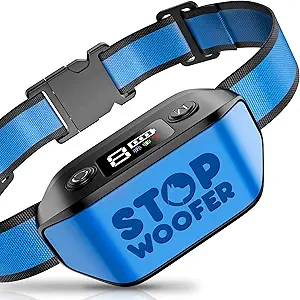
Smart Bark Collars: What to Know Before You Buy
This smart bark collar uses sound and vibration—not shock—plus AI detection to curb barking, and it's designed to fit small, medium, and large dogs. Before buying, understand how these humane, sensor-driven collars work and whether your dog's temperament and environment suit one.
Key Considerations Before Buying
- AI detection accuracy: Look for a collar that distinguishes your dog's bark from background noise and other dogs, or it may trigger falsely and confuse or stress your pet.
- Fit and weight: A lightweight collar is essential for small dogs; verify the adjustable range covers your dog's neck size and that the unit won't slip or rotate during play.
- Correction modes and levels: Sound and vibration with multiple intensity levels let you start gentle and escalate only if needed; a collar with no adjustable levels may be too weak or too strong for your dog.
What Our Analysts Recommend
Prioritize a collar with a rechargeable battery, water resistance for outdoor use, and clear instructions for fitting and mode selection. A responsive seller and a warranty also signal a product built to last beyond the first few weeks.
Bark Collars Market Context
Market Overview
Bark collars have shifted from shock-based designs toward humane sound, vibration, and spray models, and 'smart' AI detection is the newest selling point. Prices range widely, and many budget collars claim AI features without the sensor quality to back them up.
Common Issues
The most frequent complaints are false triggers from nearby dogs or loud noises, inconsistent vibration strength, and batteries that die quickly or are hard to replace. Some dogs simply don't respond to sound and vibration, so results vary by temperament.
Quality Indicators
Better collars specify their detection method, offer adjustable sensitivity and intensity, and include a proper fit guide. Look for water resistance ratings, battery life claims, and a warranty—vague specs and missing support details are red flags.
Review Authenticity Insights
Grade C Interpretation
A Grade C authenticity score with an estimated 35% fake reviews means a meaningful share of the 39 reviews may be unreliable, even though the overall 4.56 rating looks strong. The adjusted 3.80 rating is a more realistic signal of buyer satisfaction, suggesting the collar works for some dogs but not all.
Trust Recommendation
Treat the star rating with caution and focus on detailed reviews that describe your dog's size, breed, and barking behavior. Look for reviewers who mention long-term use and whether the collar kept working after weeks or months.
Tips for Reading Reviews
Filter for verified purchases and read the 2- and 3-star reviews first—they often reveal fit issues, false triggers, or battery problems. Be skeptical of short, generic praise and check whether negative reviews were addressed by the seller.
Expert Perspective
This collar's sound-and-vibration approach and AI detection put it in the humane, tech-forward segment of the bark collar market. The adjusted 3.80 rating indicates it's a decent option but not a standout, and the 35% estimated fake review rate means the true user experience is less rosy than the 4.56 headline suggests. For a dog that responds to vibration, it could be effective; for a highly vocal or stubborn barker, results may be inconsistent.
Purchase Considerations
Weigh your dog's size and sensitivity against the collar's fit range and intensity settings, and consider whether your dog has responded to vibration training before. Check the return policy carefully, since bark collars often require trial and error to find the right fit and mode.
Comparing Alternatives
Compare this collar with other sound-and-vibration models from established brands, especially those with clearer authenticity records and stronger warranties.