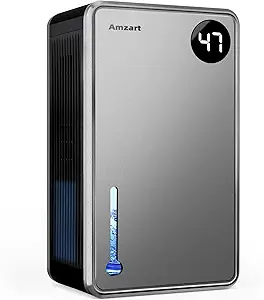
Choosing a Basement Dehumidifier: Capacity, Drainage & Real-World Performance
When shopping for a dehumidifier like the 4500 Sq. Ft. model for basements, understanding the difference between coverage area and actual moisture removal capacity is critical. This unit's 4500 Sq. Ft. rating suggests it can handle large spaces, but real-world performance depends on factors like compressor efficiency and drainage options.
Key Considerations Before Buying
- Coverage ratings can be misleading: a 4500 Sq. Ft. claim assumes ideal conditions (8-foot ceilings, moderate humidity). In damp basements, you may need a higher-capacity unit to achieve the same results.
- Drainage method matters: this model includes a drain hose for continuous operation, which is essential for unattended use. Without it, you'd be emptying the tank multiple times a day in high-humidity conditions.
- Compressor vs. desiccant: compressor dehumidifiers like this one are more energy-efficient in warm conditions but less effective in cold spaces (below 65°F). If your basement is unheated, consider a desiccant model instead.
What Our Analysts Recommend
Look for a unit with a built-in hygrometer and intelligent humidity control, which allows you to set a target humidity level and let the machine cycle on and off automatically. Also check the operating temperature range—compressor models typically work best between 65°F and 95°F. Finally, consider noise level if the unit will be in a living space; many modern dehumidifiers run at around 50 dB, similar to a quiet conversation.
Dehumidifiers Market Context
Market Overview
The dehumidifier market has shifted toward smart features like Wi-Fi connectivity and auto-humidity control, but basic compressor models remain popular for their affordability and effectiveness in warm, damp spaces. Energy efficiency standards (like Energy Star) are increasingly important as consumers look to reduce operating costs.
Common Issues
Common complaints include units that fail to reach the claimed coverage area, noisy operation, and refrigerant leaks after a few seasons. Another frequent issue is poor drainage design, leading to water spills or the need for frequent manual emptying.
Quality Indicators
A quality dehumidifier will have a sturdy build, a reliable compressor (often from brands like Embraco or GMCC), and clear documentation of its moisture removal capacity in pints per day (not just square footage). Look for models with a continuous drain option and auto-defrost for use in cooler environments.
Review Authenticity Insights
Grade B Interpretation
A Grade B authenticity rating with an estimated 15% fake reviews means that while most reviews are genuine, there's a notable minority that may be incentivized or exaggerated. This is common in the dehumidifier category, where brands sometimes seed reviews to boost new listings.
Trust Recommendation
Trust the overall 4.6/5 adjusted rating, but be skeptical of reviews that are overly enthusiastic or lack specific details. Focus on reviews that mention long-term use (6+ months), specific humidity levels achieved, and comparisons to other models.
Tips for Reading Reviews
When reading reviews for this dehumidifier, prioritize those that describe the unit's performance in actual basements or large rooms, including details like how often the tank fills up or how well the drain hose works. Ignore generic praise and look for mentions of customer service experiences, as that can indicate a brand's reliability.
Expert Perspective
The 4500 Sq. Ft. Dehumidifier for Basement appears to be a solid mid-range option, with a high adjusted rating and features like intelligent humidity control and a drain hose. However, the 15% fake review percentage suggests some caution is warranted—it's possible that the unit's performance is slightly less impressive than the most glowing reviews claim. The emphasis on energy efficiency and quiet operation in genuine reviews is a positive sign, as these are key differentiators in a crowded market.
Purchase Considerations
Before buying, measure your space and assess the humidity level. If your basement is extremely damp (above 70% relative humidity), you may need a unit with a higher pint capacity. Also, consider where you'll place the unit—near a floor drain for continuous drainage—and whether the noise level is acceptable for your environment.
Comparing Alternatives
Compare this model with similar 4500 Sq. Ft. dehumidifiers from brands like Frigidaire, hOmeLabs, and Vremi, paying attention to actual customer feedback on longevity and customer service.