Smart 3-Outlet WiFi Water Timer: Key Buying Insights for 2025
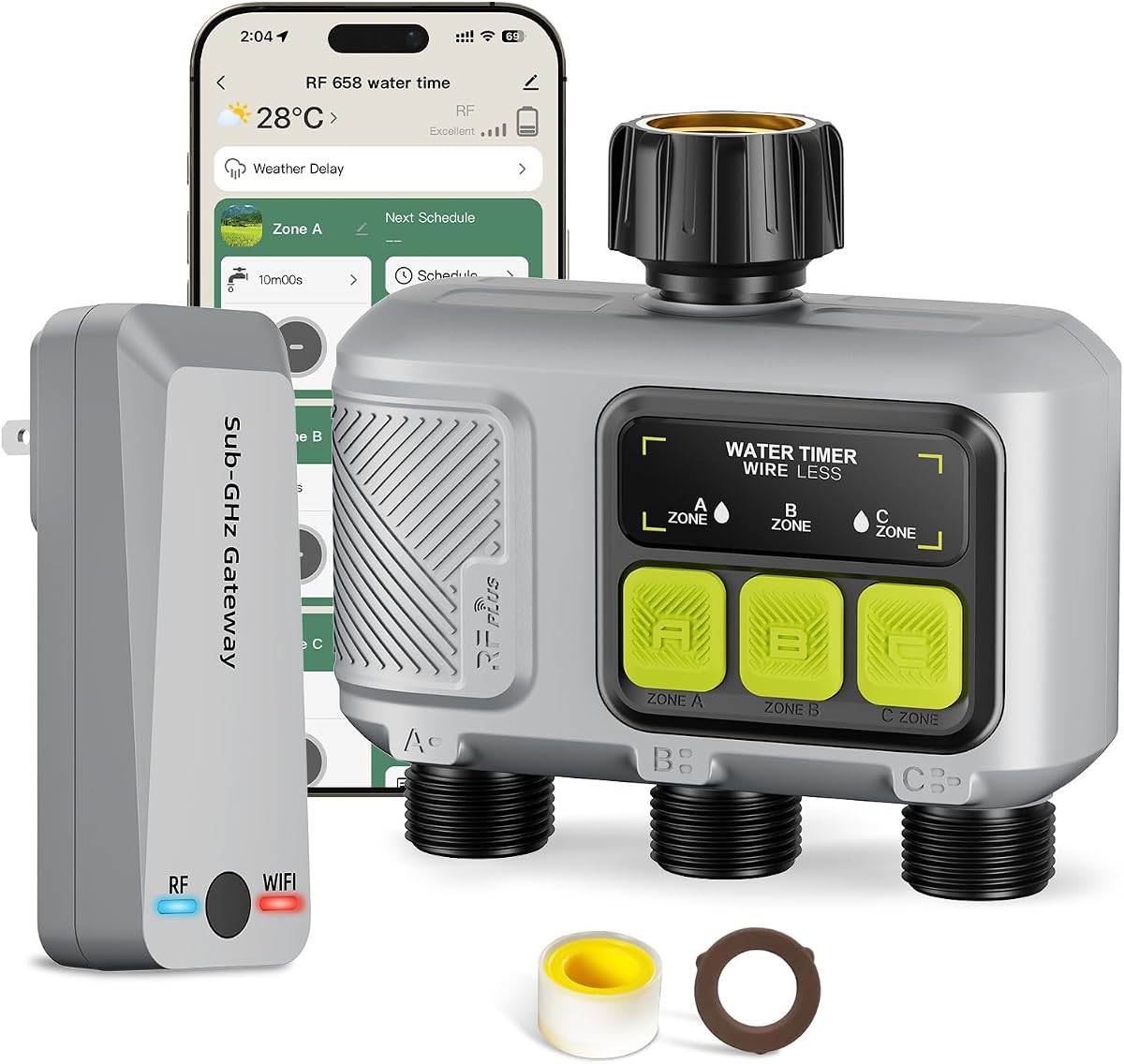
When upgrading to a WiFi-enabled 3-outlet water timer, you're not just automating your hose—you're building a flexible irrigation system. This smart controller with a 984ft RF range allows placement far from your router, but you must consider water pressure, scheduling flexibility, and app reliability before buying.
Key Considerations Before Buying
- Check your home's water pressure and flow rate; a 3-outlet timer divides water among zones, so ensure each line gets adequate pressure for your sprinklers or drip systems.
- Evaluate the app's scheduling features—look for multiple start times, duration settings per zone, and a rain delay function that actually uses local weather data to skip watering.
- Confirm the RF range and whether the included remote or hub extends connectivity to your hose location; a 984ft range is generous but walls and obstructions can reduce it.
What Our Analysts Recommend
Quality in this category hinges on brass or reinforced plastic fittings, reliable waterproof seals (IP65 or better), and a user-friendly app with firmware updates. Also, verify that the timer supports voice assistants like Alexa or Google Home for hands-free control, and that manual override is available for immediate on/off without a smartphone.
Hose Timers Market Context
Market Overview
The smart hose timer market has expanded rapidly, with WiFi-connected models now offering multi-zone scheduling, weather integration, and remote access. Consumers expect seamless app control and durability against outdoor elements, but many budget units sacrifice build quality for features.
Common Issues
Common problems include WiFi connectivity drops, valves failing due to hard water deposits, and apps that are clunky or unreliable. Some users report that rain delay features are overly simplistic, relying on a fixed delay rather than real-time weather data.
Quality Indicators
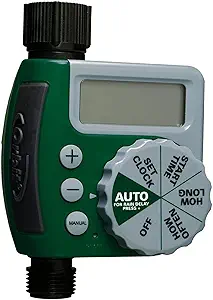
High-quality timers typically feature brass or stainless steel inlets, clear LED displays, and robust mobile apps with positive reviews for ease of use. Look for certifications like IPX5 or higher for water resistance, and check if the manufacturer offers a warranty or responsive customer support.
Review Authenticity Insights
Grade B Interpretation
The Grade B rating and 10% estimated fake review percentage indicate that while most reviews are genuine, a small fraction may be incentivized or non-verified. This is a positive sign compared to many products with higher fake rates, meaning you can trust the 4.88/5 rating with reasonable confidence.
Trust Recommendation
Given the adjusted rating of 4.60/5, you should still read the 12 reviews carefully, focusing on detailed experiences. The genuine reviews highlight real-world usage like vacation watering, which adds credibility, but be aware that 1-2 reviews might be less reliable.
Tips for Reading Reviews
For this product, prioritize reviews that mention specific installation challenges, app functionality, and long-term durability after months of use. Look for photos or videos that show the timer in action, and be wary of overly short or vague reviews that lack specifics.
Expert Perspective
This WiFi water timer with 3 outlets and a 984ft RF range is a solid choice for homeowners needing multi-zone irrigation without complex wiring. The high rating and genuine reviews suggest it delivers on core promises like app control and rain delay, but the small review count means early adopters are still validating long-term reliability.
Purchase Considerations
Weigh the convenience of 3 independent outlets against your actual watering needs—if you only have one zone, a single-outlet timer may suffice. Also, consider if the RF range is essential; if your hose bib is near a power outlet and WiFi, a standard WiFi timer could be cheaper.
Comparing Alternatives
Shoppers should compare this model with established brands like Orbit or Rachio, which offer similar features but with larger user bases and more extensive app ecosystems. A quick comparison on features like weather-based scheduling and number of zones will help you decide.