
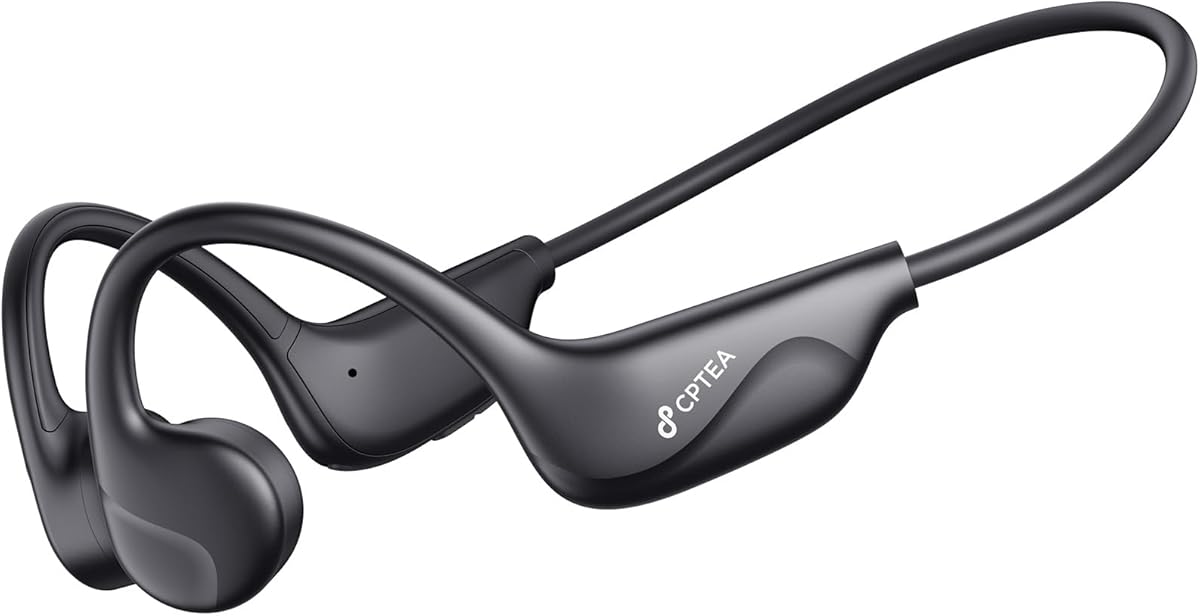
Open-Ear Freedom: Key Buying Insights for Bone Conduction Sports Headphones
Bone conduction headphones like this model are designed for athletes who need to stay aware of their surroundings while enjoying music or podcasts. Unlike traditional earbuds, they transmit sound through your cheekbones, leaving your ear canals open. This makes them ideal for road running, cycling, and gym workouts where situational awareness is critical.
Key Considerations Before Buying
- Fit and stability are paramount for sports headphones. Look for a lightweight, secure design that won't bounce or shift during intense movement—this model's 'lightweight secure fit' is a key selling point.
- Battery life is a practical concern; 10 hours of playtime is adequate for most training sessions, but consider how often you'll need to recharge, especially for long endurance events.
- Sweat and water resistance (IPX5) is essential for gym and outdoor use. While it handles sweat and light rain, it's not fully waterproof, so avoid submerging it in water.
What Our Analysts Recommend
When evaluating bone conduction headphones, check the Bluetooth version (this one claims 6.0, which is a recent standard) for stable connectivity and efficient power use. Also, consider the microphone quality if you plan to take calls during workouts. Finally, look for real-user feedback on comfort over extended wear, as the fit around the cheekbones varies by individual.
Open-Ear Headphones Market Context
Market Overview
The open-ear headphone market has grown significantly as consumers prioritize awareness and comfort, especially in the sports and fitness segment. Bone conduction technology has evolved from a niche medical solution to a mainstream option for runners and cyclists, with many brands now offering various price points and features.
Common Issues
Common complaints in this category include vibration at high volumes, sound leakage, and inconsistent bass response. Fit issues are also frequent, as the ear hooks or neckbands may not suit all head shapes. Some users report discomfort during extended wear, especially if the band is too tight.
Quality Indicators
High-quality bone conduction headphones typically feature a lightweight titanium or flexible band that conforms to the head without excessive pressure. Look for robust Bluetooth connectivity, a clear microphone for calls, and a solid IP rating for sweat resistance. User reviews that mention specific use cases (like running or cycling) and long-term durability are good signs.
Review Authenticity Insights
Grade B Interpretation
The Grade B rating and 10.00% estimated fake review percentage indicate that the majority of reviews are authentic, but a small fraction may be incentivized or biased. This is common in the headphone category, where brands often seek early reviews to boost visibility. The adjusted rating of 4.20 out of 5 is still positive, suggesting genuine satisfaction.
Trust Recommendation
Given the moderate fake review percentage, you can generally trust the consensus but should look for verified purchase badges and detailed personal experiences. Pay attention to reviews that mention specific pros and cons, as they are more likely to be genuine. If you're concerned, cross-reference with external tech review sites.
Tips for Reading Reviews
When reading reviews for open-ear headphones, focus on comments about comfort during long sessions, sound quality at high volumes, and how well they stay in place during vigorous activity. Also, note any recurring complaints about battery life or connectivity, as these are common pain points in this category.
Expert Perspective
This bone conduction headphone appears to be a solid value for sports enthusiasts who prioritize safety and comfort. The 4.20 adjusted rating reflects genuine user satisfaction, with strengths in fit, battery life, and the open-ear design. The IPX5 rating and Bluetooth 6.0 are current features that align with market expectations. However, as with any budget-to-mid-range option, there may be trade-offs in sound quality, particularly in bass response.
Purchase Considerations
Before buying, consider your primary use case: if you're a frequent road runner or cyclist, the awareness benefit is significant. Also, think about whether you'll use the mic for calls—this model includes one, but its performance in noisy environments should be verified through reviews. If you're a bass enthusiast, traditional earbuds might be a better fit.
Comparing Alternatives
Shoppers should compare this model with other open-ear headphones from established brands like Shokz or Vidonn, which may offer different sound signatures or additional features like multi-point pairing. But if the price and specs align with your needs, this could be a worthwhile purchase.


