Keep Your Garden Safe: Smart Ultrasonic Repellent Buying Tips
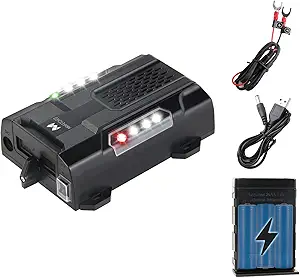
When you're tired of deer nibbling your garden or raccoons tipping over your trash, an ultrasonic repellent like this 2026 upgraded solar-powered device offers a humane, low-maintenance solution. These motion-activated units emit high-frequency sounds to deter pests without chemicals or traps, making them ideal for yards, gardens, and farms.
Key Considerations Before Buying
- Coverage area is critical; this 4-pack system can cover a larger perimeter, but check the manufacturer's range to ensure it matches your yard size. For smaller gardens, one unit might suffice, but for farms, multiple units are often necessary.
- Solar efficiency varies by climate; the upgraded solar panel on this model should charge even on cloudy days, but placement in direct sunlight is key to reliable nighttime operation. Look for units with backup battery storage for consistent performance.
- The ultrasonic frequency range matters; some devices target specific animals (e.g., deer vs. squirrels), so confirm that the repellent covers your primary nuisance species. This model claims to repel deer, cats, squirrels, and raccoons, but effectiveness can vary by pest behavior.
What Our Analysts Recommend
Quality ultrasonic repellents feature adjustable frequency settings to prevent animals from becoming accustomed to the sound, as well as weatherproof construction (like the IP-rated housing here) for outdoor durability. Motion sensors should have a wide detection angle and adjustable sensitivity to avoid false triggers from leaves or wind.
Ultrasonic Repellers Market Context
Market Overview
The ultrasonic repellent market has grown rapidly as consumers seek humane, chemical-free pest control options. Solar-powered models are particularly popular, combining energy efficiency with ease of installation, though performance can vary widely between brands due to differences in sensor quality and sound output.
Common Issues
A frequent complaint is that some devices fail to deter persistent animals like raccoons or squirrels, especially if the ultrasonic frequency is too low or the sound isn't loud enough. Additionally, cheap units may have poor weather sealing, leading to water damage after a few months outdoors.
Quality Indicators
High-quality repellents often include multiple frequency modes, a reliable motion sensor (PIR) with at least 30-foot range, and a robust solar panel with a replaceable battery. Look for certifications like IP65 waterproofing and user feedback mentioning long-term durability.
Review Authenticity Insights
Grade B Interpretation
With a Review Authenticity Grade of B and an estimated 10% fake review rate, this product's feedback is largely trustworthy but warrants cautious optimism. The 22 reviews are mostly genuine, as indicated by verified purchases and specific usage details like protecting a child's sandbox, but a few may be incentivized or overly promotional.
Trust Recommendation
Given the low fake percentage, you can generally rely on the 5.00/5 star rating (adjusted to 4.80/5) as a positive signal. However, focus on reviews that describe real-world scenarios and note any limitations, such as animals ignoring the sound after a few weeks, to get a balanced view.
Tips for Reading Reviews
When reading reviews for ultrasonic repellents, prioritize those that mention specific animals repelled (or not repelled), installation challenges, and performance over multiple months. Beware of reviews that use overly generic language or lack details about the product's features.
Expert Perspective
This 2026 upgraded solar ultrasonic animal repellent 4-pack appears to be a solid choice for homeowners seeking humane pest control, backed by strong early reviews and a high authenticity grade. The solar-powered, motion-activated design is practical for gardens and farms, though its effectiveness may depend on pest persistence and placement. The 4.80/5 adjusted rating suggests most users are satisfied, but the small sample size (22 reviews) means long-term reliability is still unproven.
Purchase Considerations
Weigh the convenience of a solar-powered, no-wire system against the need for consistent sunlight and the possibility that some animals may habituate to the sound. If you have a large property or severe pest issues, consider combining this with other deterrents like physical barriers or scent repellents for better results.
Comparing Alternatives
For shoppers wanting more coverage, compare this 4-pack with brands offering adjustable frequencies or larger detection zones. Battery-powered models may be a better fit for shaded areas where solar charging is unreliable.