
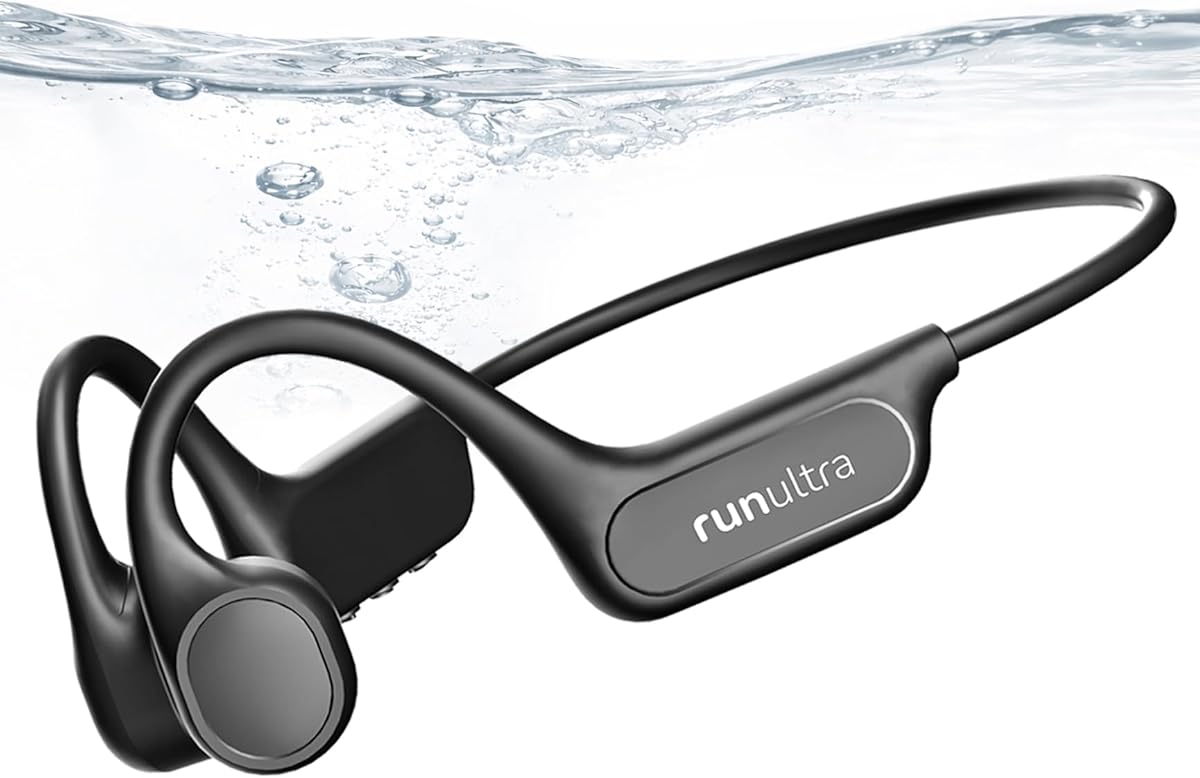
Dive Deep: Choosing the Best Bone Conduction Headphones for Swimming
When shopping for bone conduction headphones designed for swimming, the IPX8 waterproof rating is non-negotiable—it ensures your device survives submersion. However, features like on-board MP3 storage (essential since Bluetooth doesn't work underwater) and a lightweight design for comfort during laps are equally critical. This guide focuses on what makes a swimming headphone truly functional, not just water-resistant.
Key Considerations Before Buying
- Look for IPX8 or higher waterproofing, as this confirms the headphones can be submerged beyond 1 meter. IPX7 or lower ratings may only handle splashes, not full swimming sessions.
- Internal MP3 storage is a must for pool use since Bluetooth signals cannot penetrate water. Aim for at least 8GB to hold a solid playlist; 32GB, like this model, offers ample room for audiobooks and podcasts.
- Weight and fit matter—a 26g frame reduces drag and ear fatigue during long swims. Ensure the design includes a secure, adjustable band to stay in place during flip-turns or vigorous strokes.
What Our Analysts Recommend
High-quality bone conduction headphones for swimming will have a sealed charging port (often magnetic) to prevent water ingress. Look for models with at least 8 hours of playback to cover multiple sessions, and check that the on-board controls are tactile enough to operate with wet hands or under a swim cap.
Open-Ear Headphones Market Context
Market Overview
The open-ear headphone market has expanded rapidly, driven by athletes and safety-conscious users who need situational awareness. Bone conduction technology, once niche, now competes with traditional earbuds for runners, cyclists, and swimmers, with brands pushing higher waterproof ratings and longer battery life.
Common Issues
Many bone conduction headphones struggle with sound quality, often lacking bass and sounding tinny. Waterproofing claims can be inconsistent—some IPX7 models fail after a few pool sessions—and Bluetooth connectivity underwater is a common misconception that leads to buyer disappointment.
Quality Indicators
A reliable swimming headphone will have a robust build, with seamless silicone coating and a secure charging door. Verified user reviews that mention specific pool use and long-term durability are strong signals of quality, as are certifications like IPX8 from recognized testing bodies.
Review Authenticity Insights
Grade B Interpretation
With a Grade B and an estimated 10% fake review rate, this product's reviews are mostly trustworthy but require some caution. The high 4.88 rating is slightly inflated, and the adjusted 4.60 rating (excluding suspicious reviews) is still excellent, indicating genuine user satisfaction.
Trust Recommendation
Focus on the detailed, verified purchase reviews that mention swimming sessions, battery life, and fit. The 10% fake rate is low enough that the overall sentiment is reliable, but you should weigh longer, more specific reviews over brief, overly positive ones.
Tips for Reading Reviews
For bone conduction headphones, look for reviews that describe real-world use—like 'used for 45-minute pool laps' or 'comfortable under goggles.' Be wary of reviews that only praise sound quality without mentioning waterproofing or storage, as these may miss the key features for swimmers.
Expert Perspective
This product stands out for its rare combination of IPX8 waterproofing, 32GB of internal storage, and a featherlight 26g design—features that directly address the core needs of swimmers. The 10-hour playtime and Bluetooth 6.0 for dry-land use add versatility, though sound quality may still be typical of bone conduction (adequate but not audiophile-grade). The strong adjusted rating of 4.60/5, backed by authentic reviews, suggests it delivers on its promises.
Purchase Considerations
If you swim regularly or do triathlons, this is a solid choice given the ample storage and proven waterproofing. However, if you prioritize pristine audio for music, you may want to test bone conduction first, as it differs from traditional headphones.
Comparing Alternatives
Shoppers should compare this model with other IPX8 bone conduction headphones, such as those from Shokz or Naenka, to evaluate storage capacity, battery life, and fit for their specific head shape.


