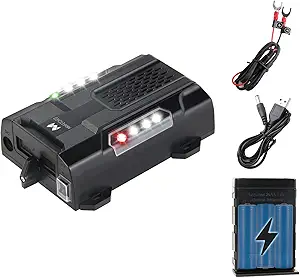
How to Choose a Solar Ultrasonic Animal Repellent That Works
When shopping for a solar ultrasonic animal repellent like the 360° model with motion sensor and IP65 waterproofing, you need to balance coverage area, power source reliability, and target animal effectiveness. This device claims to deter deer, raccoons, squirrels, and cats, but not all repellents perform equally across species.
Key Considerations Before Buying
- Coverage and detection angle: A 360° motion sensor is critical for yard protection, but ensure the ultrasonic frequency range covers the animals you want to repel—lower frequencies work better for larger mammals like deer, while higher ones deter rodents and cats.
- Solar panel efficiency and battery life: Check if the solar panel charges well in partial shade, as inconsistent power can reduce nighttime effectiveness. The IP65 rating confirms water resistance, but verify battery capacity for overcast days.
- Ultrasonic frequency and human audibility: Some devices emit frequencies that can be heard by pets or young children; look for adjustable settings or silent modes if you have indoor animals.
What Our Analysts Recommend
Quality indicators include a durable, weatherproof housing (IP65 or higher), a visible motion sensor with adjustable sensitivity, and user reviews that mention specific animals repelled over weeks. Verified purchases with detailed setup notes and long-term performance updates are most reliable.
Ultrasonic Repellers Market Context
Market Overview
The ultrasonic animal repellent market has grown rapidly, driven by demand for humane, chemical-free pest control. Solar-powered models are now popular for reducing maintenance, but many struggle with inconsistent charging or narrow detection arcs that leave gaps in coverage.
Common Issues
Common problems include false triggers from wind or falling leaves, animals habituating to the sound after a few weeks, and insufficient battery backup for nighttime operation. Some units also lack effective frequency ranges for all target species, leading to mixed results.
Quality Indicators
Look for devices with adjustable frequency settings, high-decibel output (120 dB or more), and a wide detection angle (at least 180°). Positive reviews that describe multi-species success and mention durability through rain and heat are strong signals of quality.
Review Authenticity Insights
Grade B Interpretation
A Grade B with 10% estimated fake reviews means the vast majority of feedback is genuine, but a small fraction may be incentivized or fabricated. This is common for newer products with high ratings, so focus on detailed, verified reviews rather than brief praise.
Trust Recommendation
Given the 5.00 average rating (adjusted to 4.80) and strong authenticity signals like personal context and verified purchases, you can trust that most users found this repellent effective. Still, read a mix of positive and critical reviews to spot any recurring issues.
Tips for Reading Reviews
For ultrasonic repellents, prioritize reviews that describe specific animals, placement conditions (e.g., 'in a garden near trees'), and duration of use. Watch for overly generic phrases like 'works great' without details, which may indicate fake or incentivized posts.
Expert Perspective
This 360° solar ultrasonic repellent appears to deliver on its core promises, with genuine user reports of deterring cats, rabbits, and stray animals effectively. The IP65 waterproofing and motion sensor are key differentiators, though the 10% fake review rate warrants cautious optimism. The adjusted 4.80 rating suggests real-world performance aligns closely with expectations, but long-term habituation remains a potential concern for persistent pests.
Purchase Considerations
Weigh the solar panel's charging reliability in your yard's sun exposure and whether the 360° coverage matches your property layout. If you need to repel larger animals like deer or raccoons, confirm the ultrasonic frequency range is adequate—some users may need to supplement with visual deterrents.
Comparing Alternatives
Compare this model with other solar ultrasonic repellents that offer adjustable frequencies or multiple sensor heads for larger areas, especially if you have mixed pest species or heavy foliage that might block sound waves.