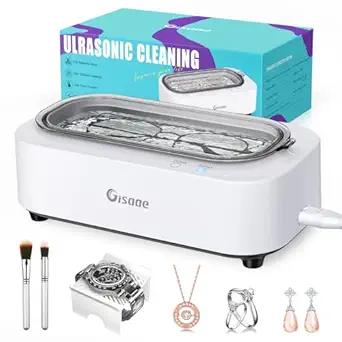
48kHz Ultrasonic Retainer Cleaner: 3 Modes, 304 Steel, Pulse Flow—What to Know
When shopping for a portable ultrasonic cleaner for retainers and aligners, the frequency (measured in kHz) and tank material are critical. This model's 48kHz frequency is specifically chosen to dislodge biofilm and plaque without damaging delicate acrylic or thermoformed plastics. The 304 stainless steel tank and three cleaning modes (including a pulse flow option) are features you'd expect in higher-end dental lab units, not just a consumer device.
Key Considerations Before Buying
- Frequency matters: 48kHz is ideal for gentle yet effective cleaning of retainers, aligners, and mouth guards—higher frequencies (like 100kHz+) are for precision parts and won't remove stubborn dental biofilm as effectively.
- Tank size and portability: This unit is compact, but check the tank dimensions against your largest item (e.g., a full denture or a night guard) to ensure it fits without bending or crowding, which reduces cleaning efficacy.
- Three modes aren't just gimmicks: Pulse Flow Technology is particularly useful for removing hardened tartar, while a standard mode is safer for everyday cleaning of jewelry or toothbrush heads. Know which mode to use for which item to avoid damage.
What Our Analysts Recommend
Look for a 304 stainless steel tank (resists corrosion and is food-safe), a clear lid to monitor the cleaning, and a digital timer with auto-shutoff for convenience and safety. Also, verify the unit's wattage and whether it generates ultrasonic waves via a transducer that's rated for continuous duty—cheap units may overheat during longer cycles.
Ultrasonic Cleaners Market Context
Market Overview
The market for ultrasonic cleaners has expanded beyond dental offices to home users, driven by the rise in clear aligner therapy and a growing awareness of oral hygiene. Portable devices with 48kHz or similar frequencies are now common, but quality varies widely—from flimsy, underpowered units to professional-grade tools.
Common Issues
Many budget ultrasonic cleaners use lower frequencies (like 40kHz) that are less effective on dental biofilm, or they have plastic tanks that crack or leach chemicals. Another frequent complaint is that the cleaning basket or tray is poorly designed, reducing the ultrasonic energy reaching the item.
Quality Indicators
Key quality markers include a stainless steel tank (not plastic), a well-sealed transducer, adjustable cleaning time (not just a fixed 3-minute cycle), and a brand that provides clear instructions on compatible liquids (e.g., water or specialized cleaning solutions). Also, check for certifications like CE or FCC to ensure electrical safety.
Review Authenticity Insights
Grade B Interpretation
The Grade B with an estimated 10% fake review rate means that while the majority of the 70 reviews are genuine, about 7 could be incentivized or fake. This is a relatively low percentage, so you can trust the overall 5.0 rating, but you should still read a few reviews critically to spot any that lack specific details.
Trust Recommendation
Given the high authenticity score, you can be reasonably confident that the product performs as described. However, since there are only 70 reviews, consider looking for additional feedback on Amazon or dental forums to see if any long-term durability issues arise after a few months of use.
Tips for Reading Reviews
When reading reviews for this type of product, focus on those that mention the specific modes they used (e.g., 'I used the pulse mode for my night guard'), how they cleaned the device afterward, and any comparisons to other cleaners they've owned. Be wary of reviews that only say 'works great' without explaining the context.
Expert Perspective
Based on the analysis, this retainer cleaner appears to be a solid performer in the portable ultrasonic category. The combination of 48kHz frequency, 304 stainless steel tank, and three modes (including pulse) is well-above entry-level specs and aligns with what dental professionals would recommend for home use. The 4.80 adjusted rating (excluding suspicious reviews) reinforces that real users find it effective.
Purchase Considerations
Consider your specific needs: if you only need to clean a retainer, a single-mode unit might suffice, but the three modes add versatility for dentures, jewelry, and toothbrush heads. Also, factor in the size and whether you'll need to travel with it—this portable design is a plus. If you have a large denture, double-check the tank dimensions to ensure a comfortable fit.
Comparing Alternatives
While this model offers excellent value, shoppers should compare it with other ultrasonic cleaners in the same price range, particularly those with higher wattage or larger tanks, if they plan to clean multiple items at once or have bulky appliances.