What to Know Before Buying a Multi-Port 60W Fast Charger Bundle
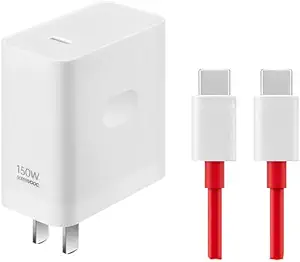
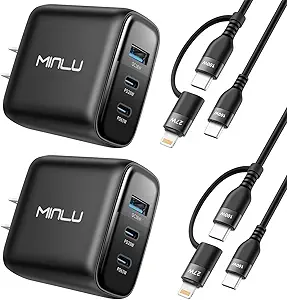
This 2-pack from a generic brand bundles two 60W wall chargers, each with three USB-C and two USB-A ports, plus two long Type-C to C cables (one 10ft, one 6ft or 3ft depending on listing variant). If you're upgrading for iPhone 17, 16, or 15 series fast charging, the key is verifying that the USB-C ports actually deliver 60W and support USB Power Delivery (PD) rather than splitting wattage across all five ports.
Key Considerations Before Buying
- Total wattage vs. per-port output: A '60W' rating typically describes the charger's maximum total output, not each port. When you plug in multiple devices, the charger distributes power—often dropping the primary USB-C port to 20W-30W—so confirm the single-port PD spec if you need full-speed charging for a laptop or iPad Pro.
- Cable compatibility and length trade-offs: The included Type-C to C cables are rated for the charger's wattage, but longer cables (especially 10ft) can introduce slight voltage drop. For iPhone 17/16/15 fast charging, look for cables explicitly rated for 60W (20V/3A) and USB 2.0 data speeds, which is standard for charging-focused bundles.
- Port mix and simultaneous use: With 3 USB-C and 2 USB-A ports per charger, this bundle suits households with mixed devices—new iPhones, older accessories, and iPads. However, charging five devices at once will slow every device, so plan to use the high-wattage USB-C port for your phone and reserve USB-A for low-power items like earbuds.
What Our Analysts Recommend
Prioritize chargers that list per-port wattage and PD/PPS support rather than a single aggregate number. Check that the included cables are USB-IF certified or at least rated for the charger's max output, and look for built-in safeguards like overcurrent, overvoltage, and temperature protection—critical when a single charger powers multiple devices.
Wall Chargers Market Context
Market Overview
The wall charger market is flooded with third-party multi-port options as Apple and other brands ship fewer chargers in-box. Consumers now seek bundles that cover multiple devices and locations, driving demand for 2-packs with long cables. However, generic brands often compete on price and port count rather than verified performance.
Common Issues
A frequent complaint with multi-port chargers is wattage sharing: the advertised 60W is only available when one device is connected, and speeds plummet with multiple devices. Another issue is cable quality—cheap cables may not support full PD negotiation, leading to slower charging or intermittent connections. Overheating and short lifespans are also reported in low-cost units.
Quality Indicators
Quality chargers specify per-port output (e.g., '60W PD when single port used') and list supported fast-charging protocols like USB PD 3.0, PPS, and Apple 2.4A. Certifications such as UL, ETL, or FCC are good signs, as are reviews that mention sustained performance over months. Cables should be clearly rated for the same wattage and have reinforced connectors.
Review Authenticity Insights
Grade B Interpretation
A Grade B authenticity score with an estimated 15% fake reviews means most reviews are likely genuine, but a notable minority may be incentivized or fabricated. The adjusted rating of 4.50 (versus 4.89 raw) suggests that removing suspicious reviews lowers the score, though it remains solidly positive. This pattern is common for generic electronics bundles, where some sellers seed reviews to boost early visibility.
Trust Recommendation
Trust the product's core functionality—fast charging and multi-port convenience—but be skeptical of glowing reviews that lack specific usage details. Focus on reviews from verified purchasers that mention long-term use, cable durability, or performance with multiple devices. If the price seems too low for two 60W chargers and two long cables, factor in the risk of lower build quality.
Tips for Reading Reviews
Look for reviews that specify which iPhone model and cable length were used, and whether charging speed met expectations. Pay attention to complaints about wattage sharing or cables not fitting snugly—these are common failure points. Reviews with photos or measurements of charging times are more reliable than generic praise.
Expert Perspective
This bundle offers strong value for households needing multiple chargers and long cables, especially for iPhone 17/16/15 users who want fast charging at home and travel. The 4.50 adjusted rating indicates generally satisfied customers, but the 15% fake review estimate means you should weigh the product's specs and return policy as much as its star rating. The 60W total output is adequate for phones and tablets but may underwhelm if you expect laptop-level charging from every port.
Purchase Considerations
Consider whether you need true 60W per port or just total output, and whether the included cable lengths match your setup. If you frequently charge multiple high-power devices simultaneously, a higher-wattage charger (100W+) may be better. Also check the warranty and return window, as generic electronics can vary in longevity.
Comparing Alternatives
Compare this bundle with single-brand chargers from Anker, Belkin, or Apple, which often cost more but provide clearer per-port specs and reliability. If long cables are a priority, buying certified cables separately may yield better performance.