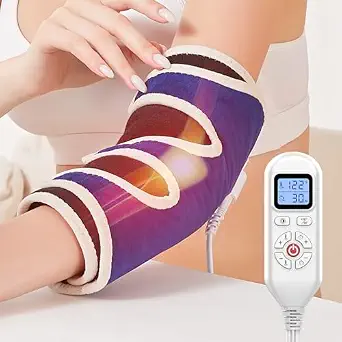
Cordless Neck Heating Pads: What to Know Before You Buy
Cordless neck and shoulder heating pads like this 5000mAh rechargeable model promise relief without being tethered to an outlet. But with a 3.89-star rating and a 3.60 adjusted score, it's worth understanding the trade-offs of battery-powered heat before you commit.
Key Considerations Before Buying
- Battery life vs. heat intensity: A 5000mAh battery may last 2-4 hours on low, but high heat can drain it in under 90 minutes. If you need sustained heat for chronic pain, consider a plug-in model or one with a larger battery.
- Fit and coverage: This pad is described as 'small, thin, mini,' so it likely targets the neck and upper shoulders only. If you need broader back coverage, a larger wrap or a multi-zone pad may be better.
- Heat settings and safety: Three heat levels and three time settings are standard, but check if the pad has auto-shutoff and overheat protection. Cordless models can pose burn risks if the heat is uneven or the battery malfunctions.
What Our Analysts Recommend
Look for reviews that mention even heat distribution, comfortable fit during movement, and battery performance over time. Quality indicators include UL certification, clear temperature ranges, and a warranty of at least one year. Avoid models with vague battery specs or no safety certifications.
Heating Pads Market Context
Market Overview
The cordless heating pad market has grown as consumers seek portable pain relief, but many products are generic imports with inconsistent quality. Prices range from $20 to $80, with battery capacity and heat consistency being key differentiators.
Common Issues
Common complaints include short battery life, uneven heating, poor fit, and durability issues after a few months. Some users report burns from high settings, especially if the pad lacks auto-shutoff or has faulty temperature control.
Quality Indicators
Higher-quality pads use lithium-ion batteries with clear mAh ratings, have multiple heat zones, and include safety certifications like UL or ETL. Brands with responsive customer service and a history of durable products are also better bets.
Review Authenticity Insights
Grade B Interpretation
A Grade B indicates that most reviews are genuine, but about 15% may be fake or incentivized. This means the 3.89 rating is somewhat inflated; the adjusted 3.60 is a more realistic reflection of user satisfaction.
Trust Recommendation
Focus on reviews with detailed pros and cons, especially those that mention battery life and fit. Be cautious of reviews that are overly enthusiastic without specifics, as they may be part of the 15% suspicious group.
Tips for Reading Reviews
Sort reviews by 'Recent' to see if quality has changed over time. Look for patterns in complaints (e.g., multiple mentions of short battery life) and ignore extreme ratings (1-star or 5-star) that lack detail.
Expert Perspective
This cordless heating pad offers convenience but comes with typical trade-offs: limited battery life, small coverage area, and a rating that suggests mixed satisfaction. The adjusted rating of 3.60 indicates that while many users find it helpful, a significant minority experience issues with heat output, fit, or durability.
Purchase Considerations
If you need targeted, short-term relief and value portability, this could work. But if you have chronic pain requiring consistent heat for hours, a plug-in model or a higher-capacity cordless pad may be more reliable. Consider the return policy and warranty before buying.
Comparing Alternatives
Compare with similar cordless neck heating pads from brands like Sunbeam or Comfytemp, which may offer better battery life or more heat settings. Read side-by-side reviews to find the best fit for your needs.