
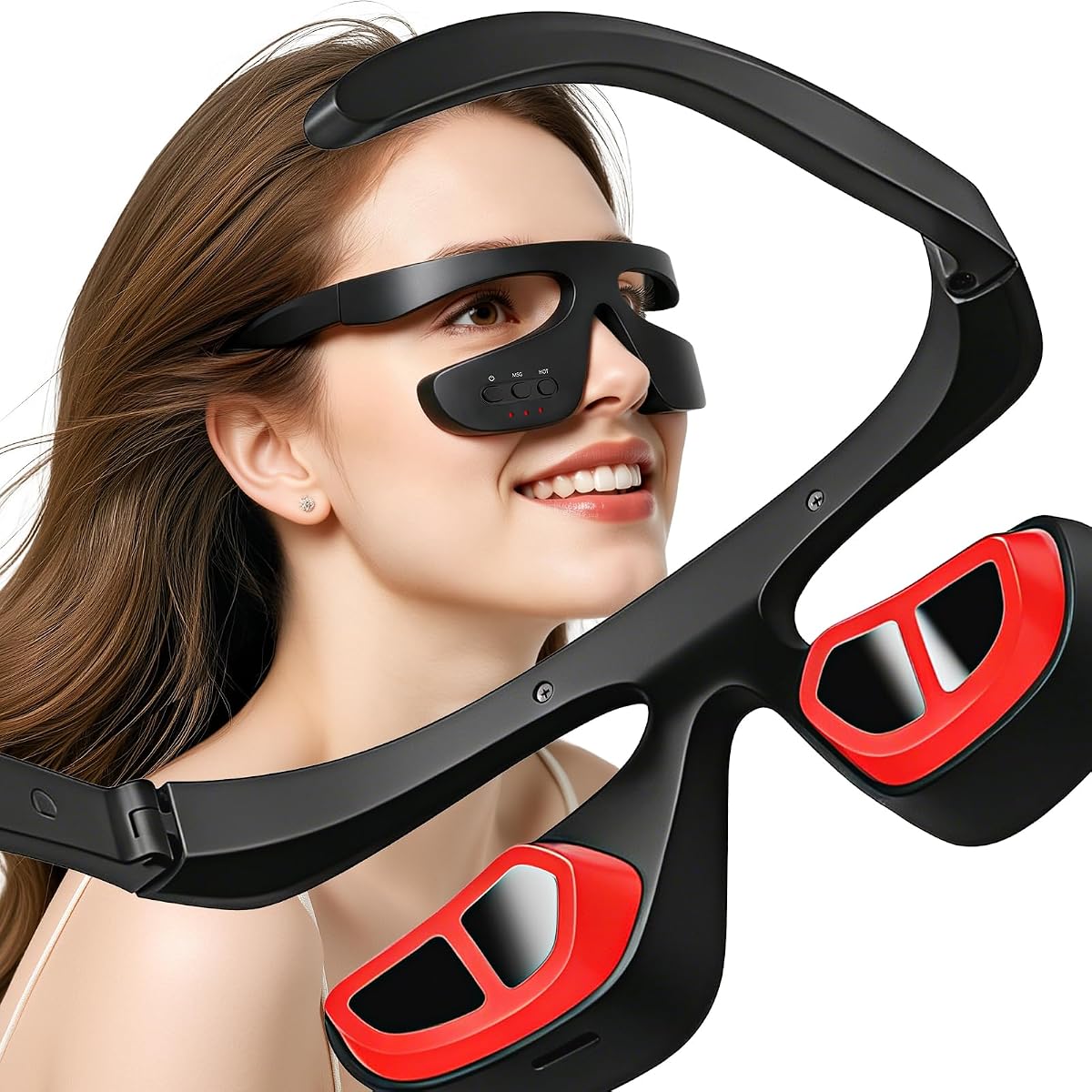
630nm Red Light Therapy Glasses: What to Know Before Buying for Eye Bags
Red light therapy for the under-eye area is gaining traction as a non-invasive approach to address dark circles, puffiness, and fine lines. This specific device uses a 630±10nm wavelength, which is believed to penetrate the skin to stimulate collagen production and improve microcirculation. Before you invest in such a device, it's important to understand how to evaluate its effectiveness and safety.
Key Considerations Before Buying
- Wavelength accuracy: The 630nm wavelength is critical for efficacy. Ensure the device specifies a narrow range (e.g., ±10nm) and ideally provides a certification or lab test to confirm the output. Some devices may claim 630nm but emit a broader, less effective spectrum.
- Safety and eye protection: Since this is used around the eyes, ensure the device has built-in eye protection (like the glasses form factor) or is designed to be safe for periorbital use. Look for features that prevent direct light exposure to the retina.
- Treatment time and consistency: Red light therapy requires consistent use over weeks or months to see results. Check the recommended treatment duration per session and the device's power output (measured in mW/cm²) to estimate how long you'll need to use it daily.
What Our Analysts Recommend
When evaluating under-eye red light devices, prioritize those with clear specifications on wavelength, power density, and treatment protocol. Look for certifications like FDA clearance (if applicable) or CE marking, and check if the manufacturer provides clinical references or studies. Also, consider the design—glasses-style devices that allow hands-free use may be more convenient for daily routines.
Wrinkle & Anti-Aging Devices Market Context
Market Overview
The market for red light therapy devices for the face and eyes has expanded rapidly, driven by growing consumer interest in non-invasive anti-aging solutions. Products range from full-face masks to targeted under-eye devices like this one, with prices varying widely. Many are sold online, with varying degrees of quality and scientific backing.
Common Issues
Common issues in this category include exaggerated claims about results, inconsistent wavelength output, and potential safety concerns if devices are not properly shielded. Some consumers report minimal results due to low power output or insufficient treatment duration. Additionally, the lack of standardized testing makes it challenging to compare products.
Quality Indicators
Look for devices that provide specific technical data (wavelength, power density, beam angle) and have been tested by reputable third parties. Brands that offer warranties and have responsive customer support are more reliable. Also, check if the device has been reviewed by dermatologists or featured in clinical studies.
Review Authenticity Insights
Grade B Interpretation
The B grade and 15% estimated fake review rate suggest that while the majority of reviews appear authentic, a significant minority may be incentivized or fabricated. This is not unusual for a product with a perfect 5.0 rating—such a rating often raises suspicion. The adjusted rating of 4.6 is more realistic, indicating genuine satisfaction but not perfection.
Trust Recommendation
Given the moderate fake review percentage, you should read the critical reviews and look for detailed user experiences that mention specific improvements or lack thereof. Trust reviews that describe the product's limitations or the need for patience, as these are more likely to be genuine. Be wary of overly enthusiastic, short reviews with generic praise.
Tips for Reading Reviews
For this type of product, pay attention to reviews that include photos or videos showing the device in use and results over time. Look for comments about the device's build quality, ease of use, and any side effects like eye strain or discomfort. Also, note the number of reviews—30 is a small sample size, so treat the rating with caution.
Expert Perspective
This under-eye red light therapy device appears to be a reasonably effective option for those seeking a non-invasive approach to reduce dark circles and puffiness, based on the available data. The 630nm wavelength is within the therapeutic range for skin rejuvenation, and the glasses design offers convenience and safety. However, the relatively small number of reviews and the 15% suspicious review rate indicate that more independent validation is needed to fully confirm its efficacy.
Purchase Considerations
Weigh the cost against the potential benefits—red light therapy requires consistent use over several months to see noticeable improvements. If you have severe under-eye concerns, consider consulting a dermatologist first. Also, check the return policy and warranty, as this will protect you if the device doesn't meet expectations.
Comparing Alternatives
Shoppers should compare this device with other under-eye red light therapy options, as well as alternatives like LED masks, topical creams, or professional treatments, to ensure they choose the most suitable approach for their needs and budget.


