
Boost Your Local Channels: Expert Tips for Buying a Long-Range TV Antenna
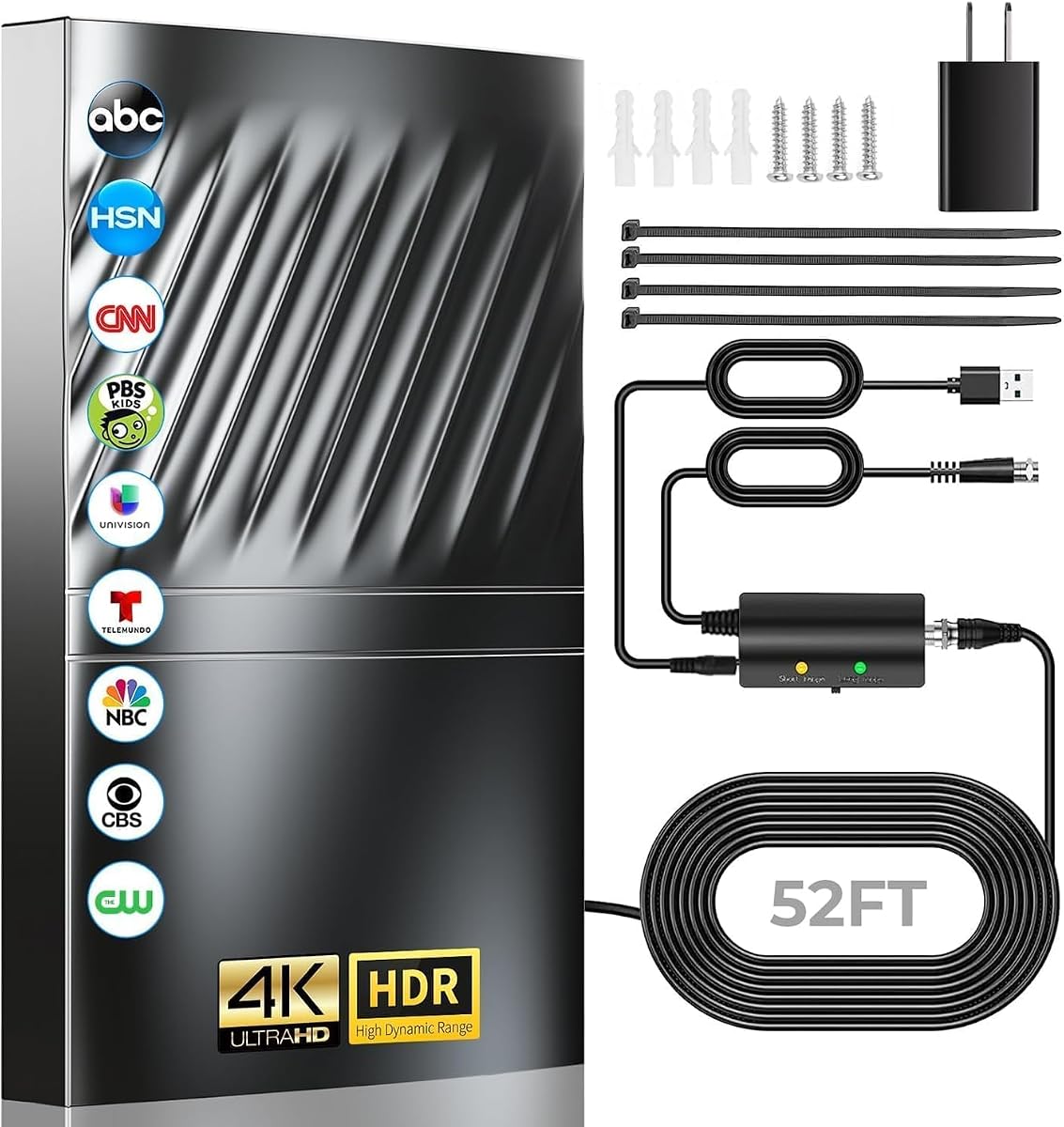
When considering a long-range TV antenna like this 6000+ mile model, it's crucial to understand that actual reception depends heavily on your location, terrain, and distance from broadcast towers. This antenna claims to support 8K, 4K, and 1080p, but real-world performance for local channels is primarily about UHF/VHF signal strength, not resolution. Buyers should focus on range claims, amplifier quality, and installation flexibility to avoid disappointment.
Key Considerations Before Buying
- Distance and Obstacles: The 6000+ mile range is theoretical; in practice, expect reliable reception up to 50-70 miles with clear line-of-sight. Hills, buildings, and trees can significantly reduce range, so check your local tower locations using tools like AntennaWeb.
- Amplifier Power: The 'strongest amplifier' can boost weak signals, but too much amplification may overload nearby strong signals, causing pixelation. Look for an amplifier with adjustable gain or a built-in filter to handle mixed signal environments.
- Installation Location: This antenna includes a 52ft coaxial cable and AC adapter, supporting both indoor and outdoor use. Outdoor mounting at the highest point (e.g., attic or roof) typically yields better results, especially for channels over 50 miles away.
What Our Analysts Recommend
Quality indicators include a weather-resistant housing for outdoor use, a stable mounting bracket, and a low-noise amplifier (LNA) that minimizes interference. Also, check for compatibility with both old and smart TVs, and ensure the coaxial cable is RG6 or better for minimal signal loss over long runs.
TV Antennas Market Context
Market Overview
The TV antenna market has seen a resurgence as cord-cutters seek free over-the-air local channels in 4K and 1080p. Many modern antennas claim extreme ranges (like 6000+ miles) to attract buyers, but actual performance is often limited to 50-100 miles under ideal conditions. Consumers are increasingly looking for reliable, easy-to-install solutions that work with both old and smart TVs.
Common Issues
A frequent problem is overhyped range claims, leading to returns when antennas fail to pick up distant channels. Additionally, amplifier noise can degrade signal quality, and some antennas struggle with VHF signals (channels 2-13) while performing well on UHF. Indoor placement near metal objects or electronics can also cause interference.
Quality Indicators
Look for antennas with a high-gain, low-noise amplifier, a durable construction (e.g., UV-resistant plastic or aluminum), and a long, high-quality coaxial cable. Positive reviews that mention specific local channels and distances are more trustworthy than generic praise. Verified purchase reviews with installation details are a strong signal of quality.
Review Authenticity Insights
Grade B Interpretation
With a Grade B and an estimated 10% fake review rate, this product's reviews are mostly genuine but require cautious reading. The 5.00/5 rating (90 reviews) is slightly inflated; the adjusted rating of 4.80/5 is more realistic. The 10% suspicious reviews likely include overly promotional or vague posts, but the majority reflect real user experiences.
Trust Recommendation
You can generally trust the reviews, but focus on those from verified purchasers that describe specific installation scenarios, such as distance from towers or outdoor vs. indoor use. Be skeptical of reviews that only praise the '6000+ mile' claim without mentioning actual channel reception. Cross-check negative or critical reviews for balanced insights.
Tips for Reading Reviews
For this type of product, prioritize reviews that mention your specific use case (e.g., indoor vs. outdoor, distance to broadcast towers). Look for details about signal stability during bad weather, ease of setup, and the effectiveness of the amplifier. Ignore reviews that lack specifics or repeat marketing language.
Expert Perspective
This 6000+ mile long-range TV antenna offers a compelling package with its included 52ft coaxial cable, AC adapter, and strong amplifier, making it suitable for both indoor and outdoor use. The high adjusted rating of 4.80/5 and predominantly genuine reviews suggest it performs well for most users, particularly those within 50-70 miles of broadcast towers. However, the 10% fake review rate and extreme range claim warrant a healthy dose of skepticism—expect solid local channel reception, not 6000-mile coverage. For cord-cutters seeking a budget-friendly option with good accessories, this antenna is a strong contender, but placement and local geography will ultimately determine success.
Purchase Considerations
Weigh the convenience of the included accessories against your specific needs: if you live in a densely populated area with nearby towers, a simpler, cheaper antenna might suffice. If you're in a rural area, this model's amplifier and long cable could be advantageous. Consider your TV's tuner quality and whether you need support for both UHF and VHF channels.
Comparing Alternatives
Shoppers should compare this antenna with similarly priced models from brands like Antennas Direct or Winegard, which often provide more realistic range ratings and better customer support for installation.


